background
0%
Sound: Off
image
Back To Interior Design

KYOTO HOUSE

The art of tea is the art of life

Scroll down

Type

House

Location

Kyoto, Japan

Area

135 м2

Year

2023

KYOTO HOUSE is a home for life and tea action in the heart of Kyoto. A place where ritual and everyday life, modernity, and archaism, Japan and Ukraine merge into one.

This is a house where a pristine tradition is honored. What will later be called the Japanese style is the environmental friendliness of materials, multifunctionality of premises, minimalism in furniture, decoration, and architecture, free space, restraint, adherence to the principles of wabi and sabi in interior design, meaning, and symbolism in every decision.

This is a house with a soul.

A century-old house where a family with kids lives has a unique history and atmosphere. The waves of time left traces on it, making it unique. Therefore, when reconstructing it, it was important to approach it aesthetically, not to destroy these feelings, but rather to refine and enhance them by adding a drop of Ukrainian color to the Japanese context.


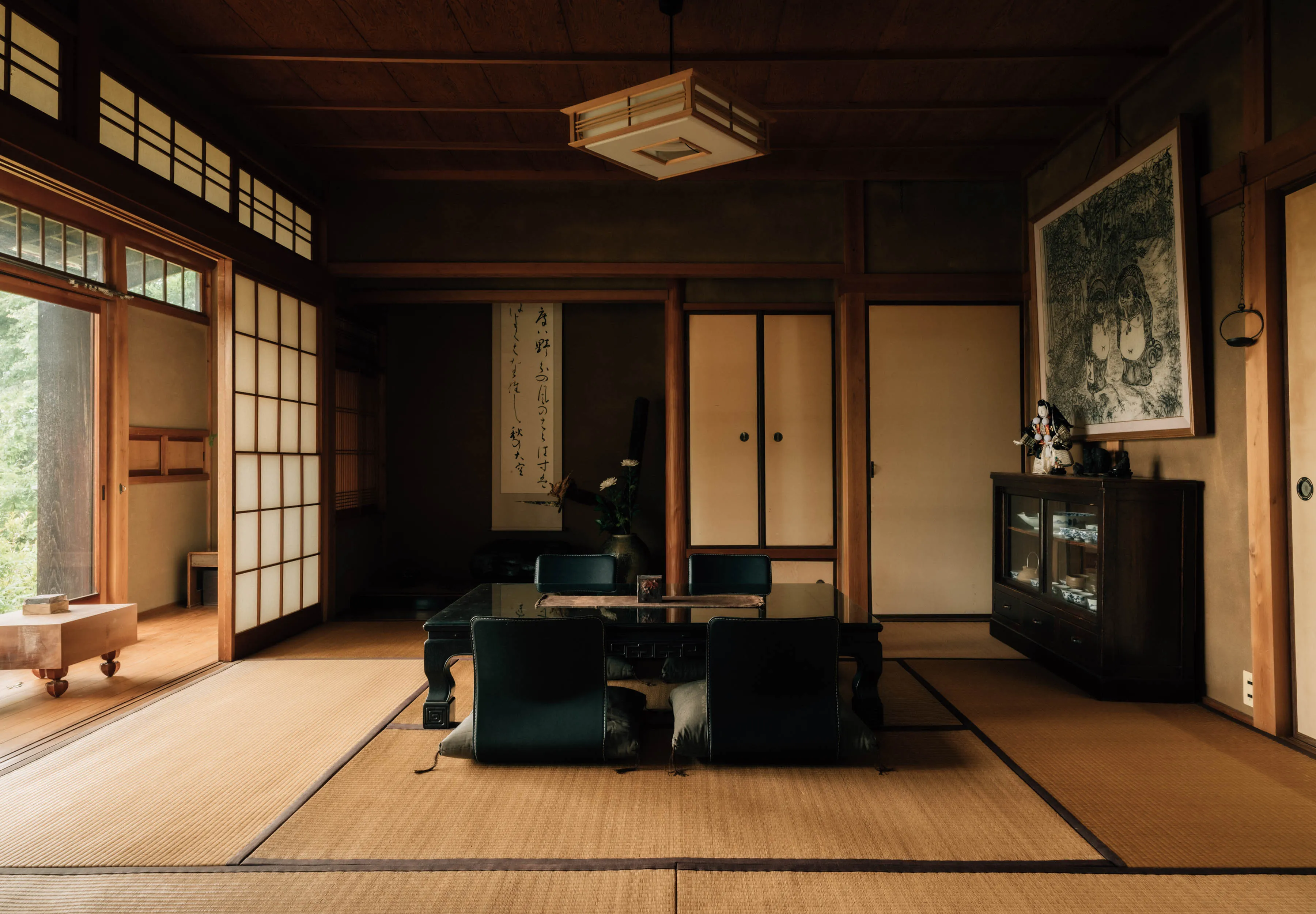
That is why at KYOTO HOUSE we have preserved many authentic elements inherent in the Japanese interior style, such as original tatami mats or textured clay wall surfaces.

And now the owner of the house in Kyoto expresses his respect to you and invites you to "sado", a tea performance in his humble home. This experience can be one of the most amazing in your life.

ROJI

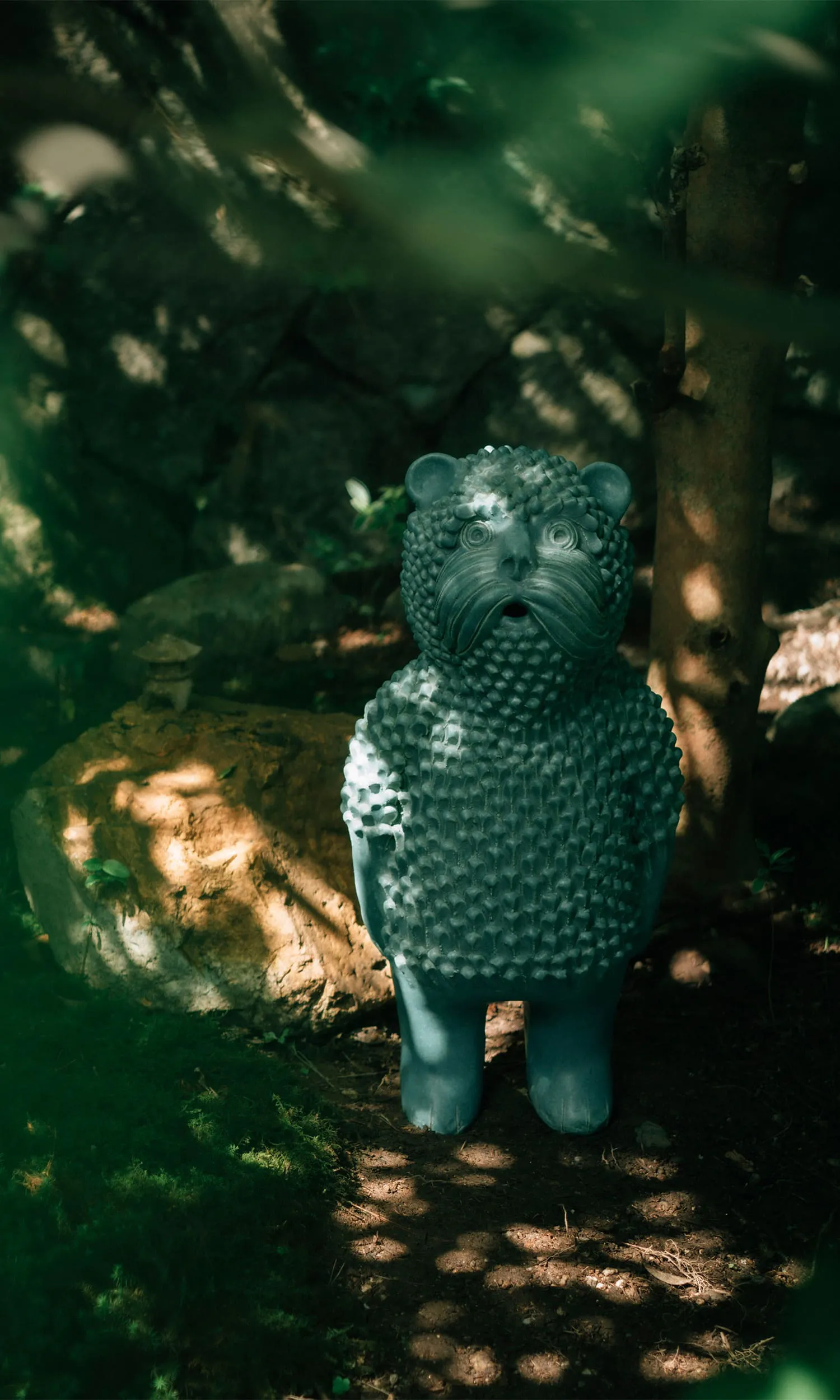
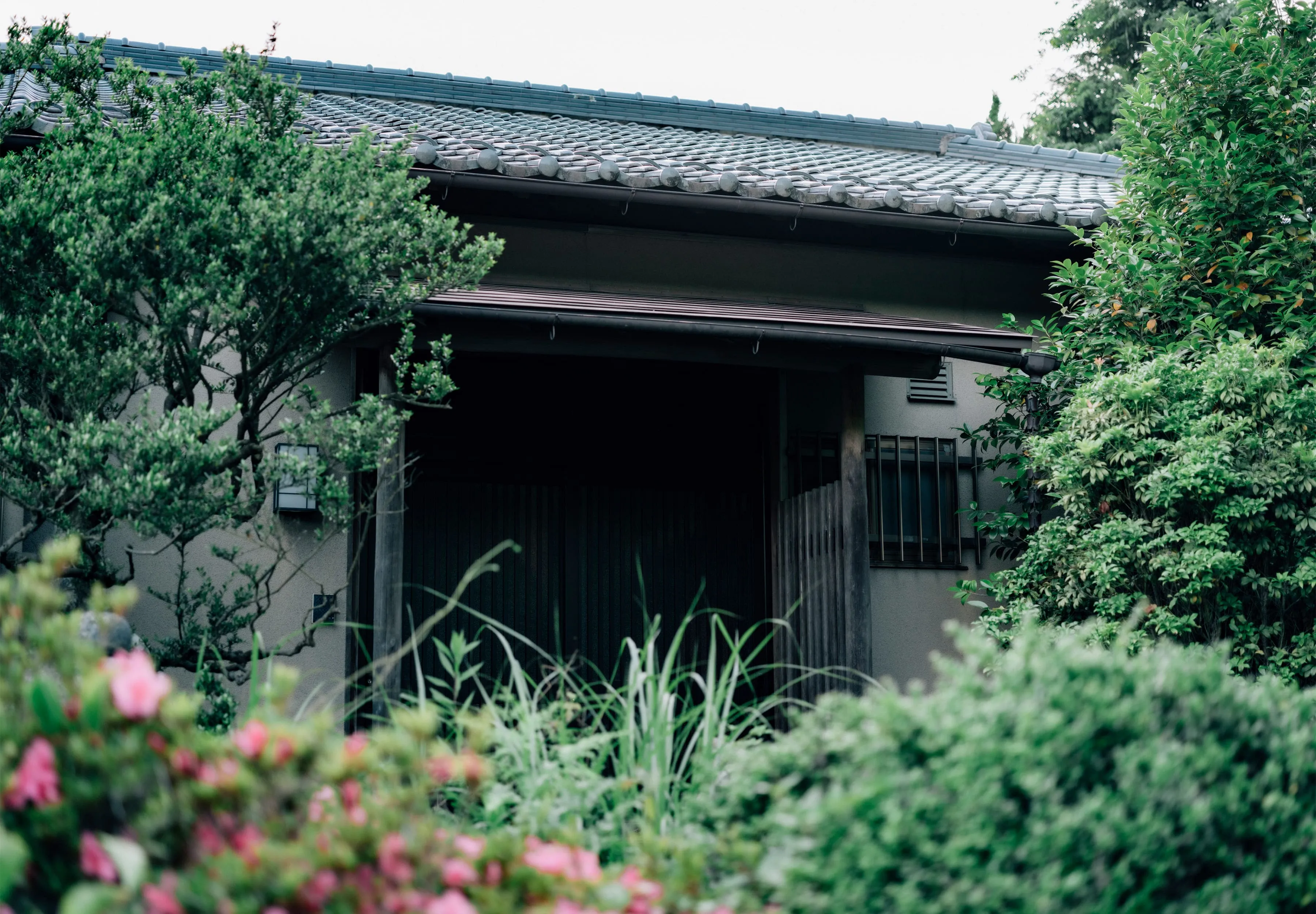
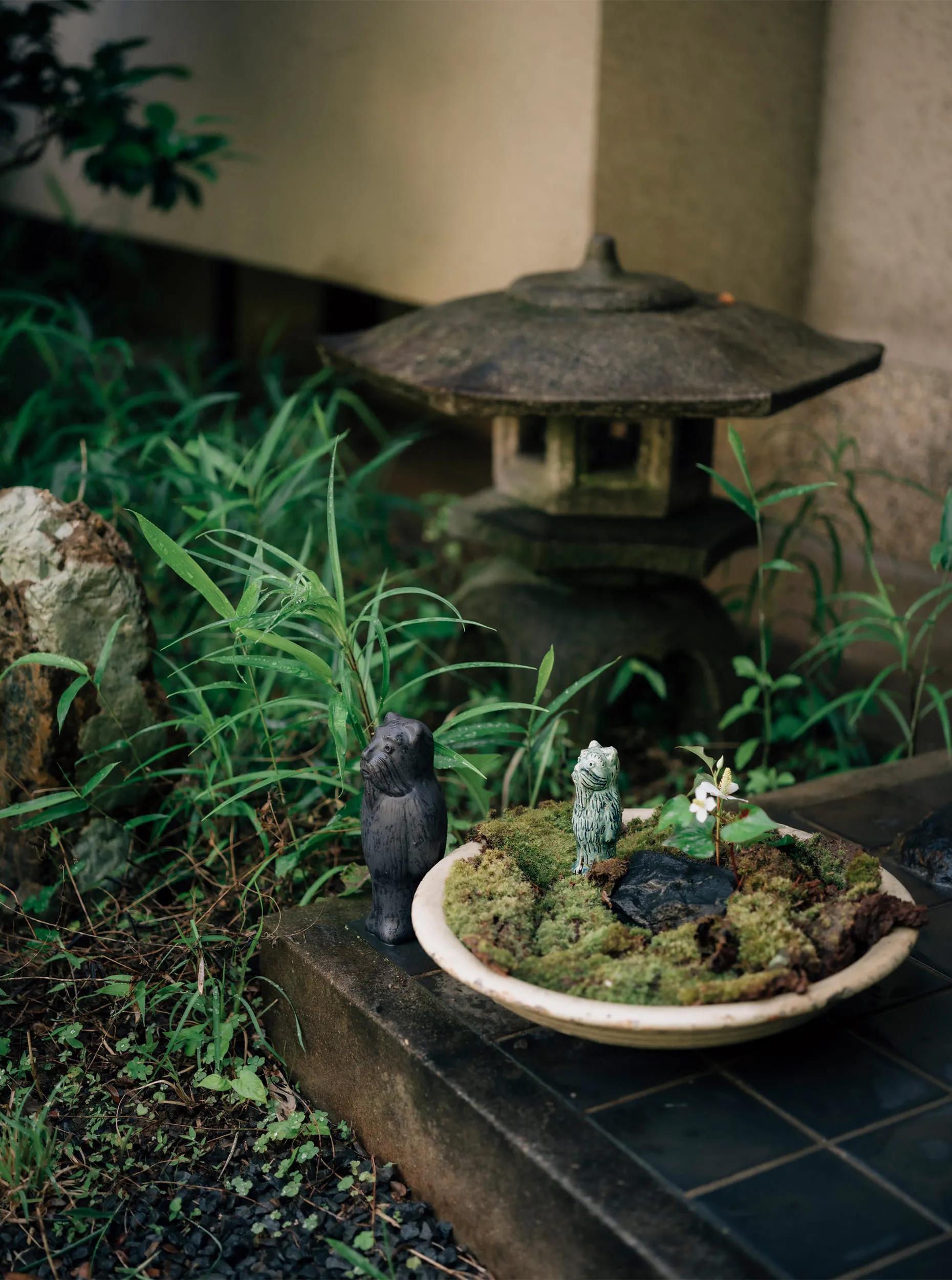
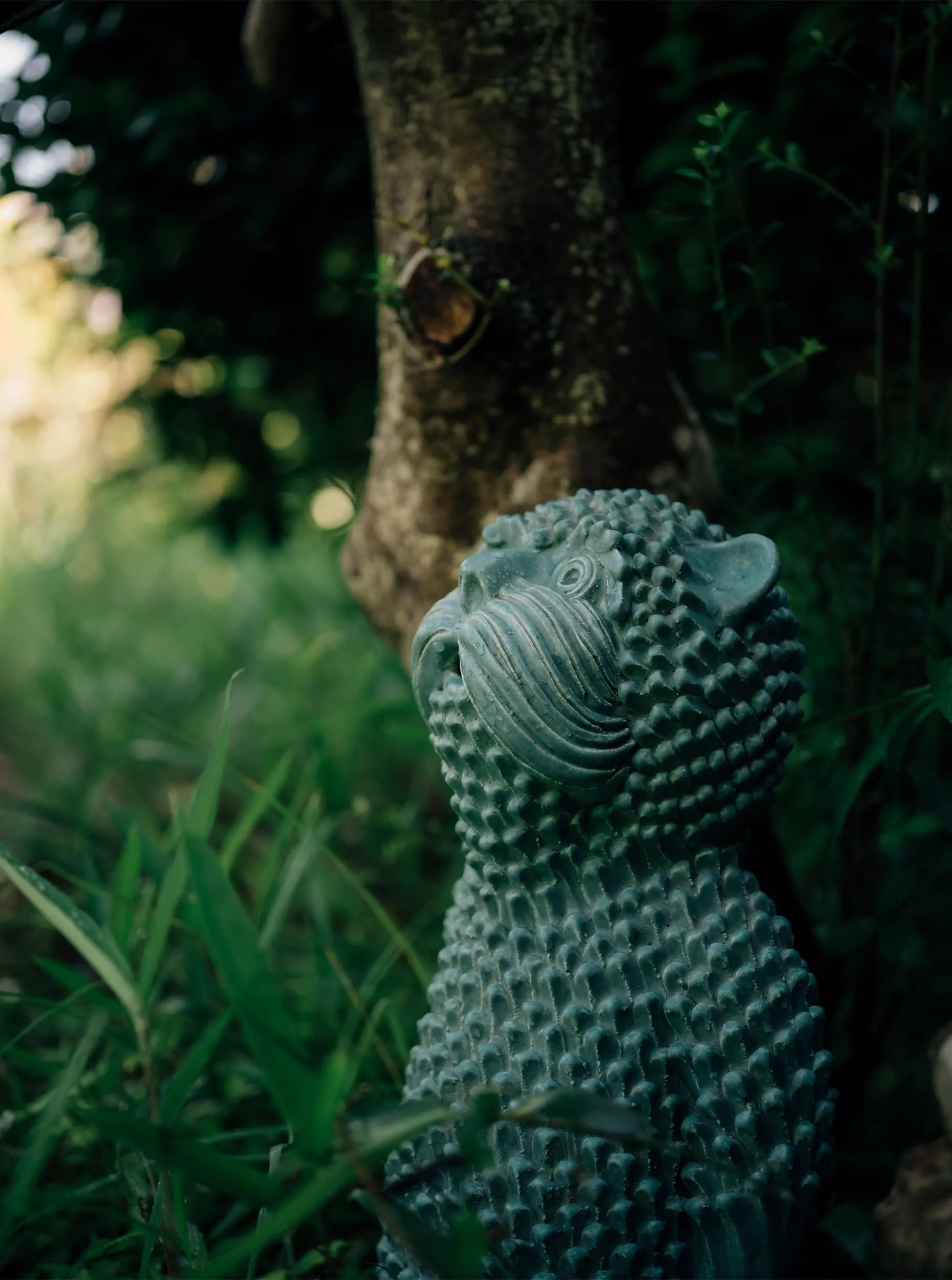
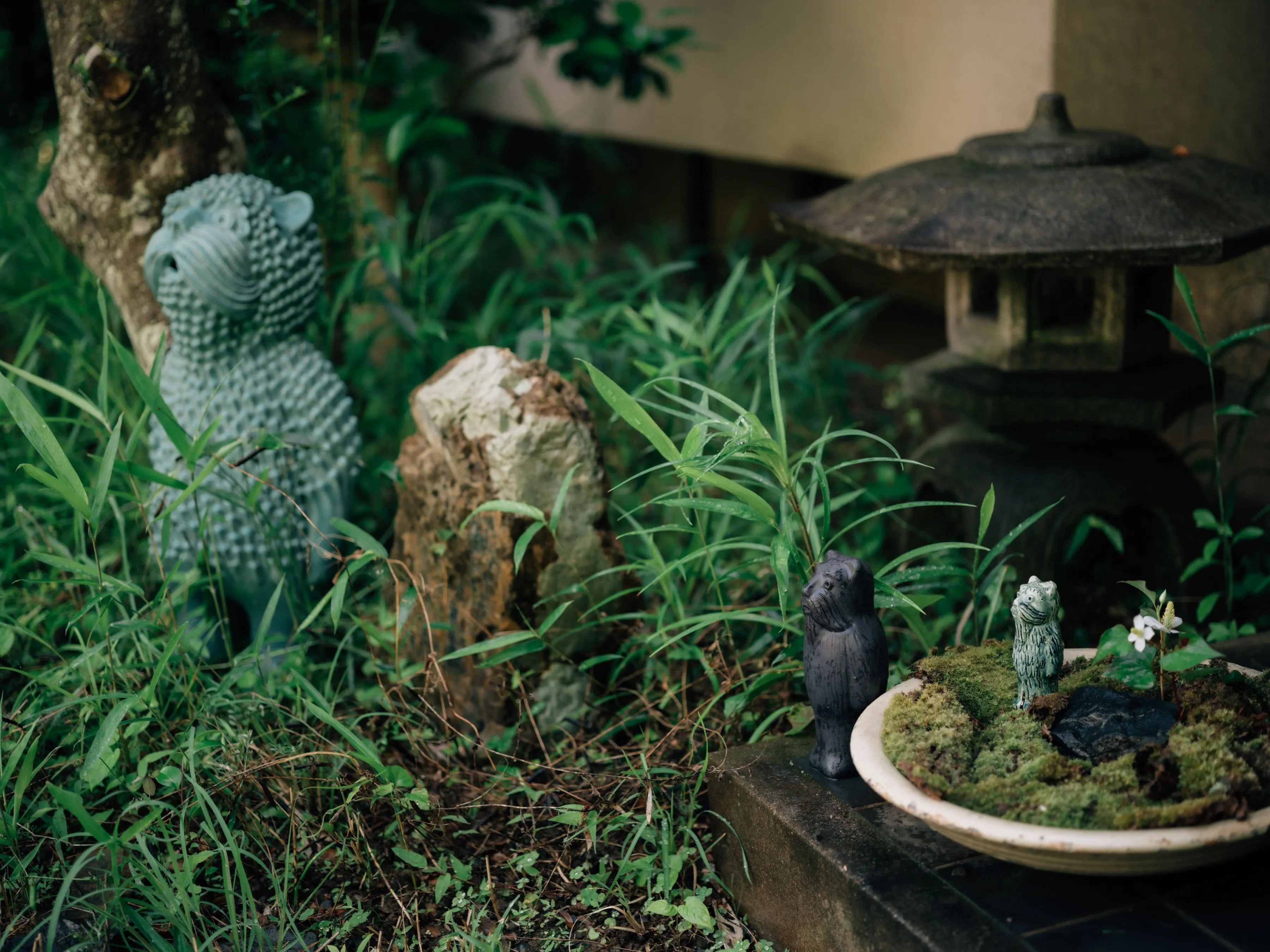
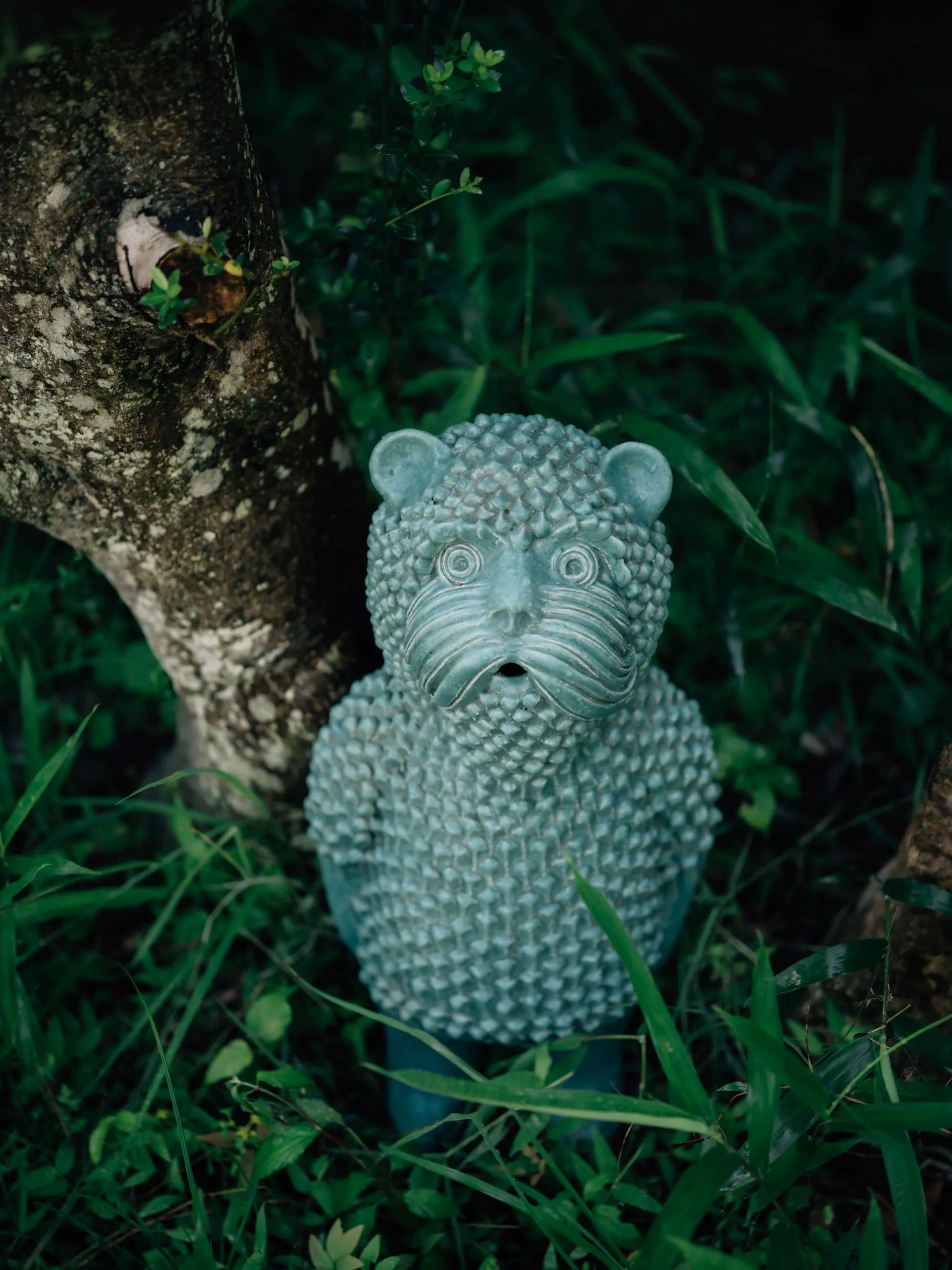
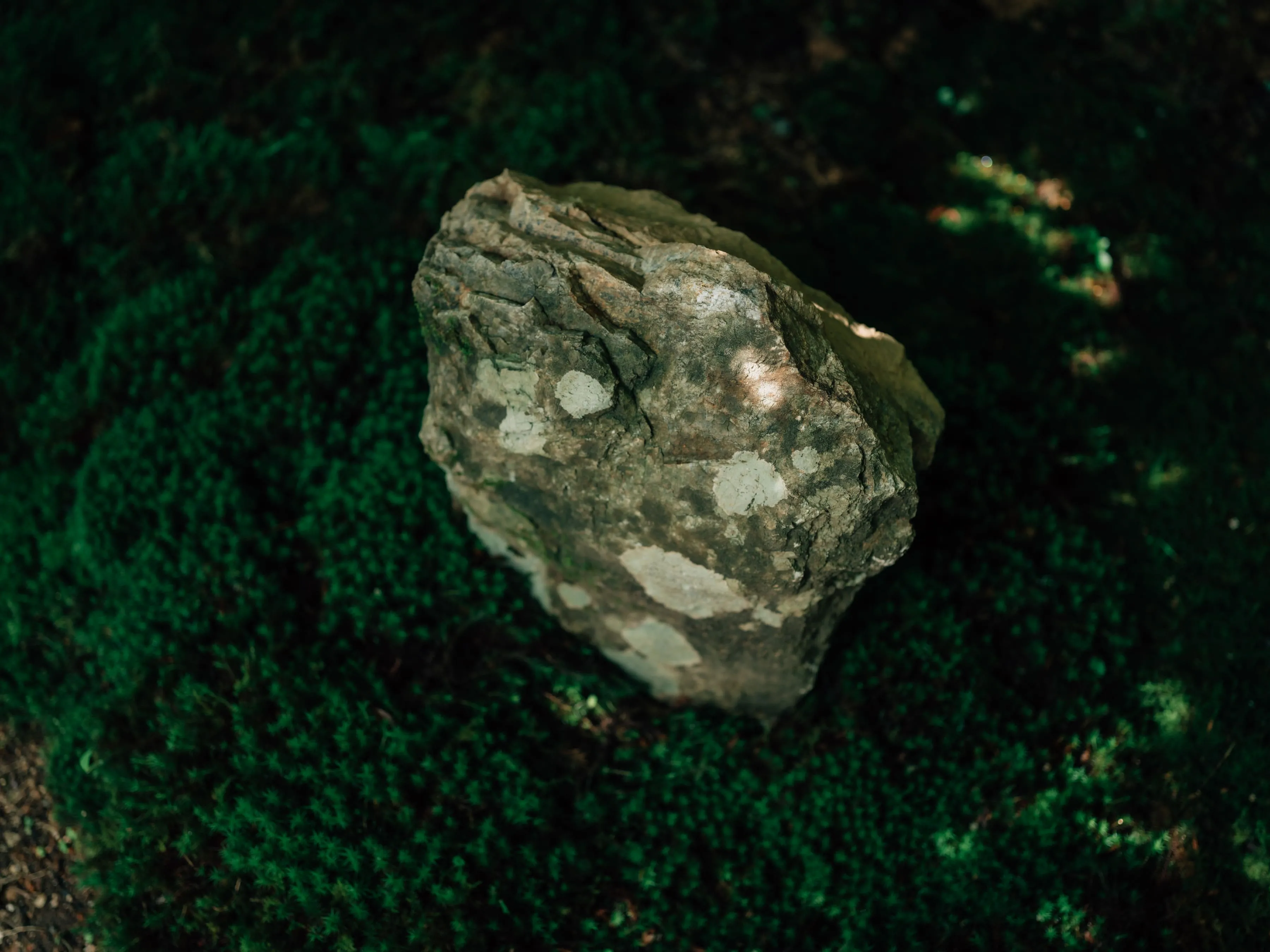
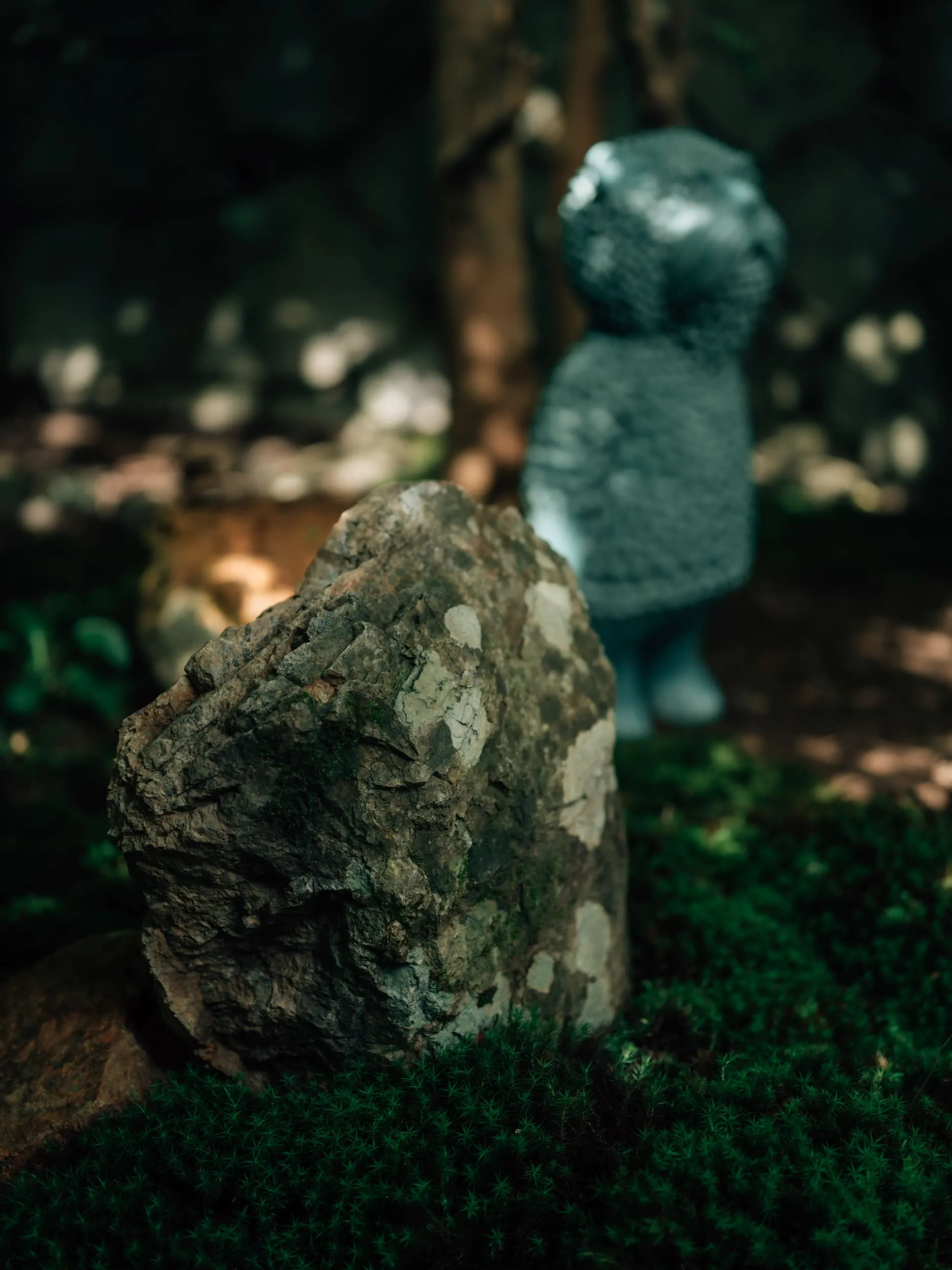
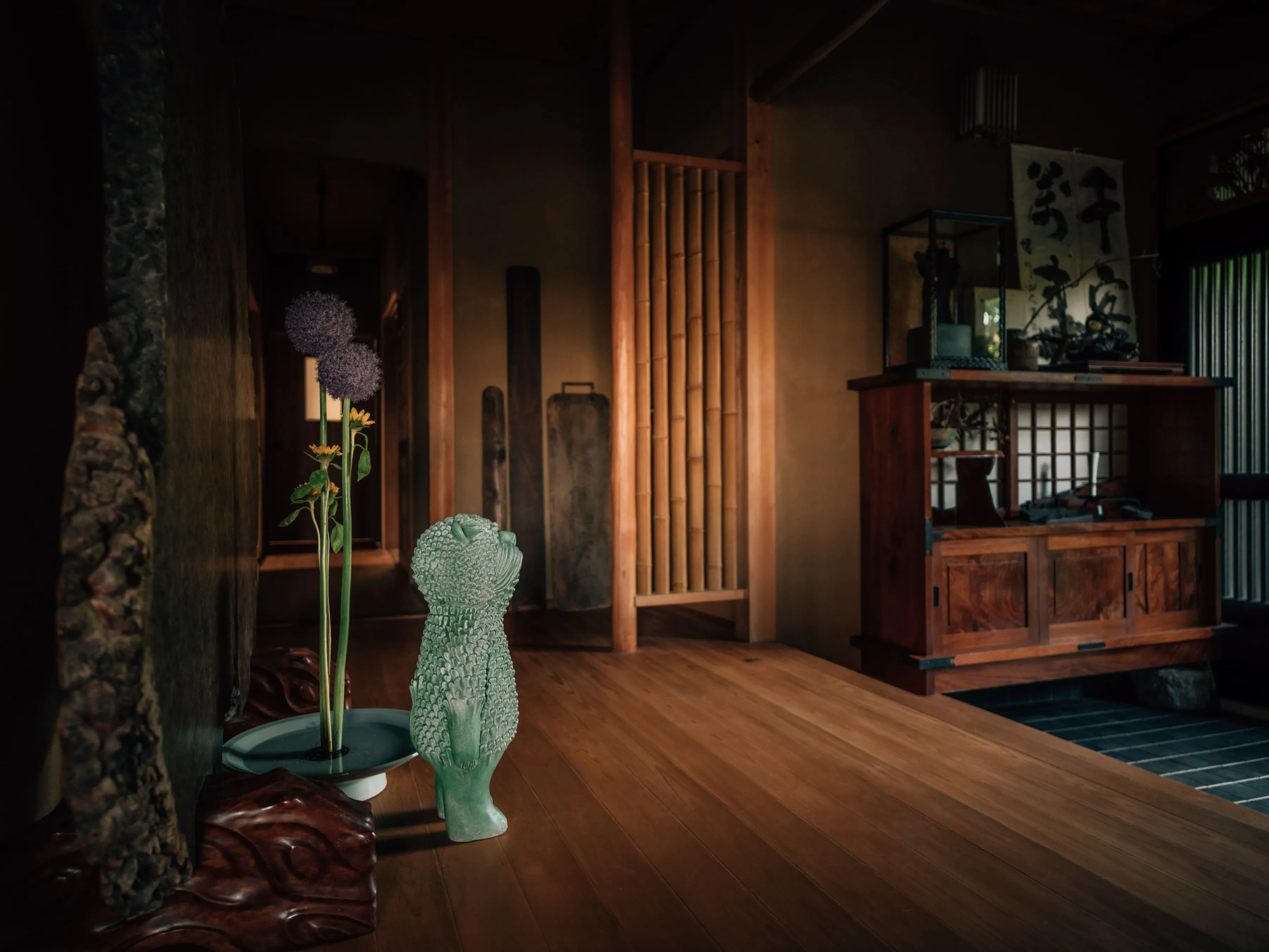
The tea party begins at the entrance to the Kyoto House. There is a small tea garden called "ro-ji". It is decorated with Japanese ritual stones, bonsai trees, and Ukrainian DIDO art sculptures from the MAKHNO workshop. These good entities protect the house from sad thoughts and uninvited guests.

The meaning of the roji garden is that on your way to the master's house, you linger and admire for a minute, opening your heart to restrained beauty and your thoughts to poetic images.

And then the door of the house is slightly open. It means that you are expected.

GENKAN

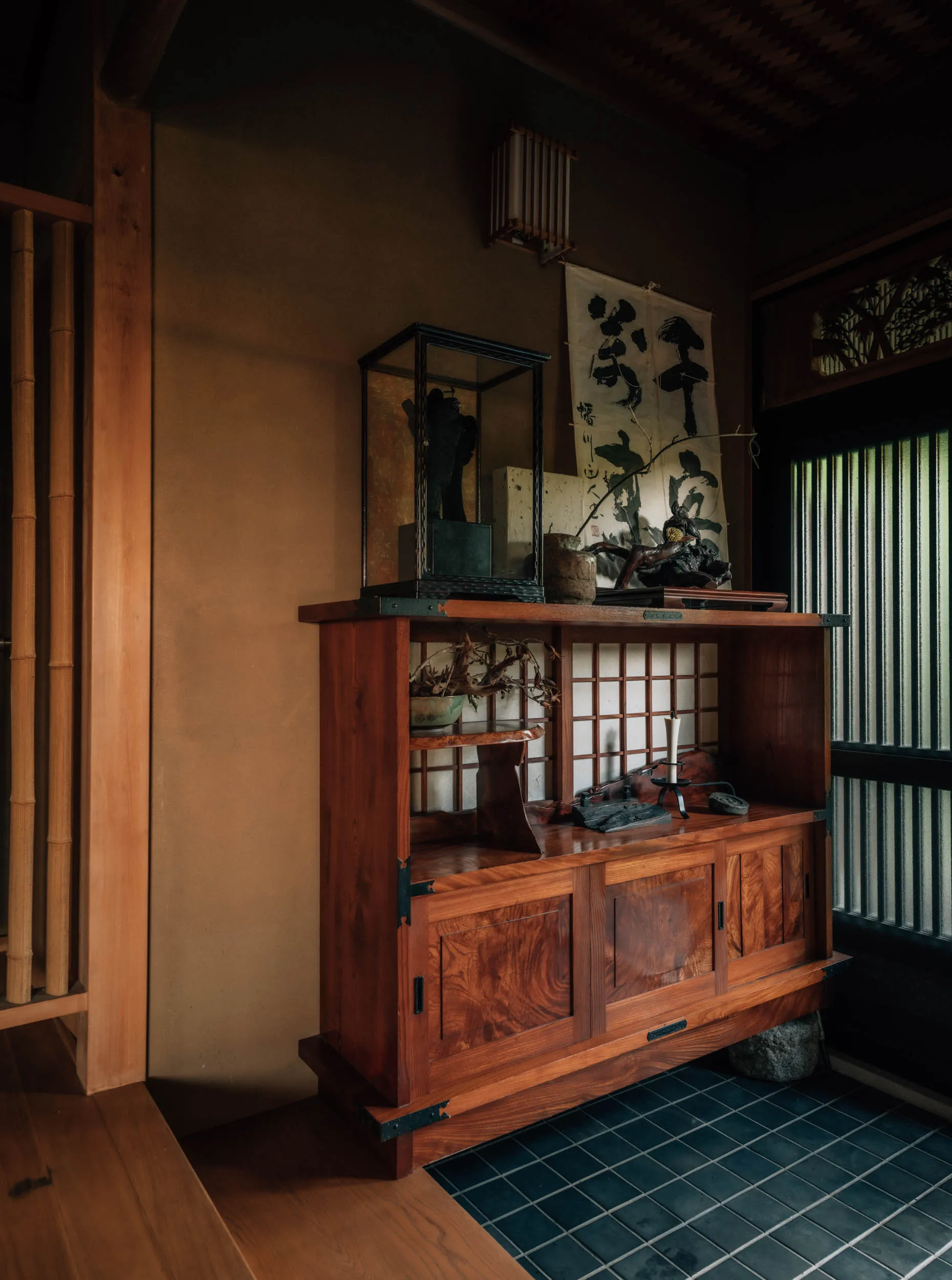
The entrance hall of a Japanese house is called "genkan," where you, according to the Zen concept, take off your shoes and leave them turned around until you leave. On the way to the spacious living room, you are greeted by collectible works of Japanese and Ukrainian art, as well as their owner. He respectfully invites you into the room.

SHOIN-ZUKURI

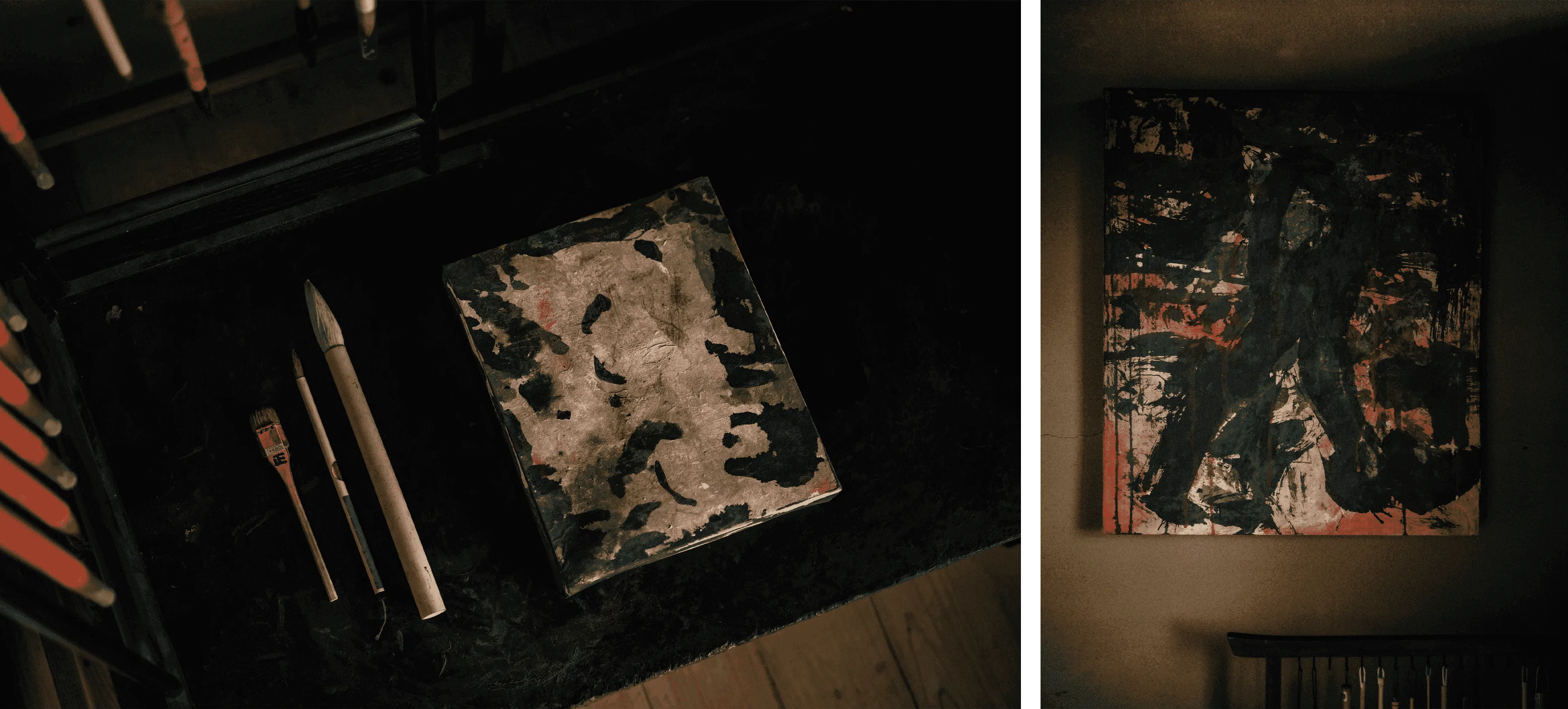
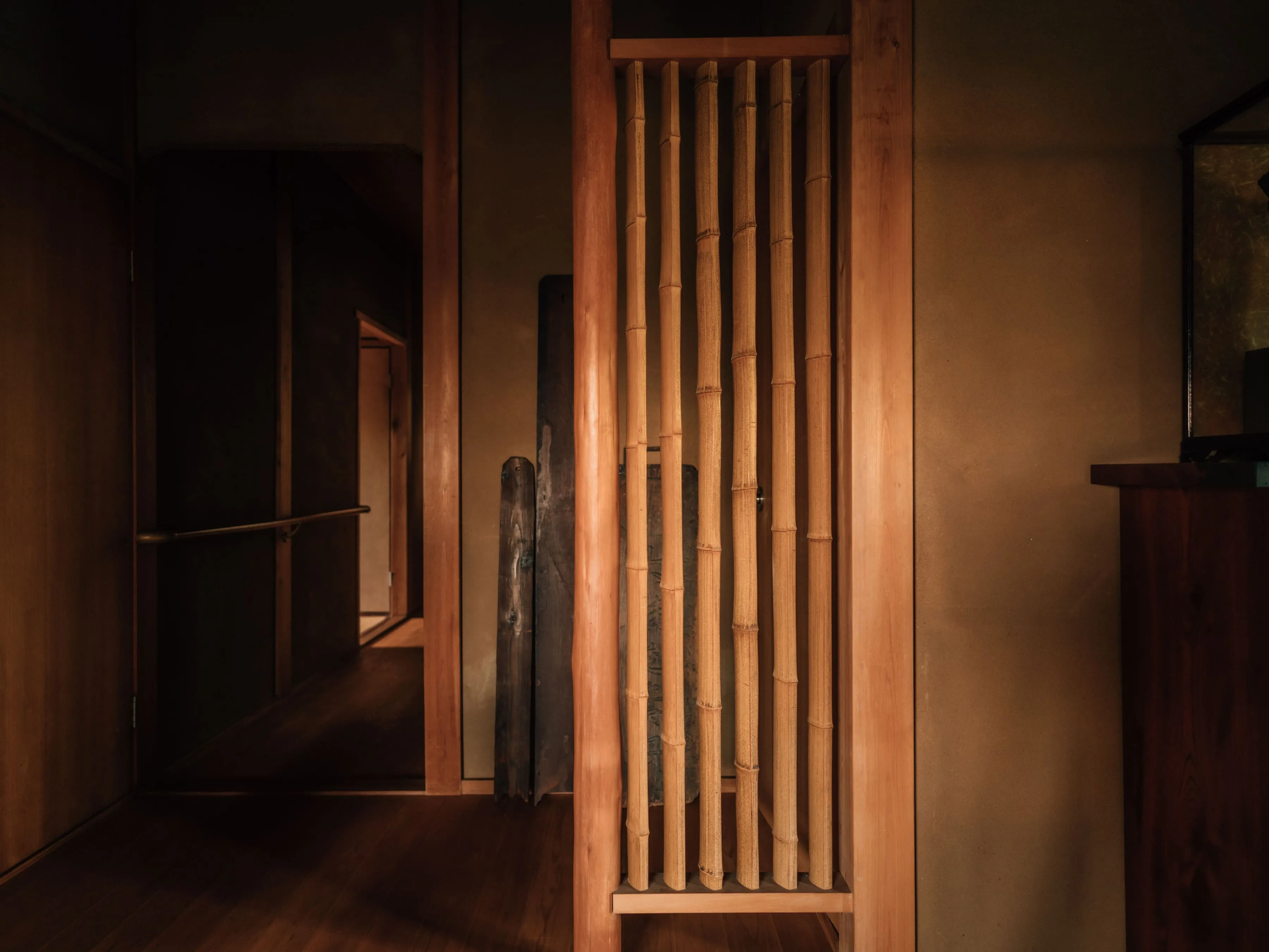
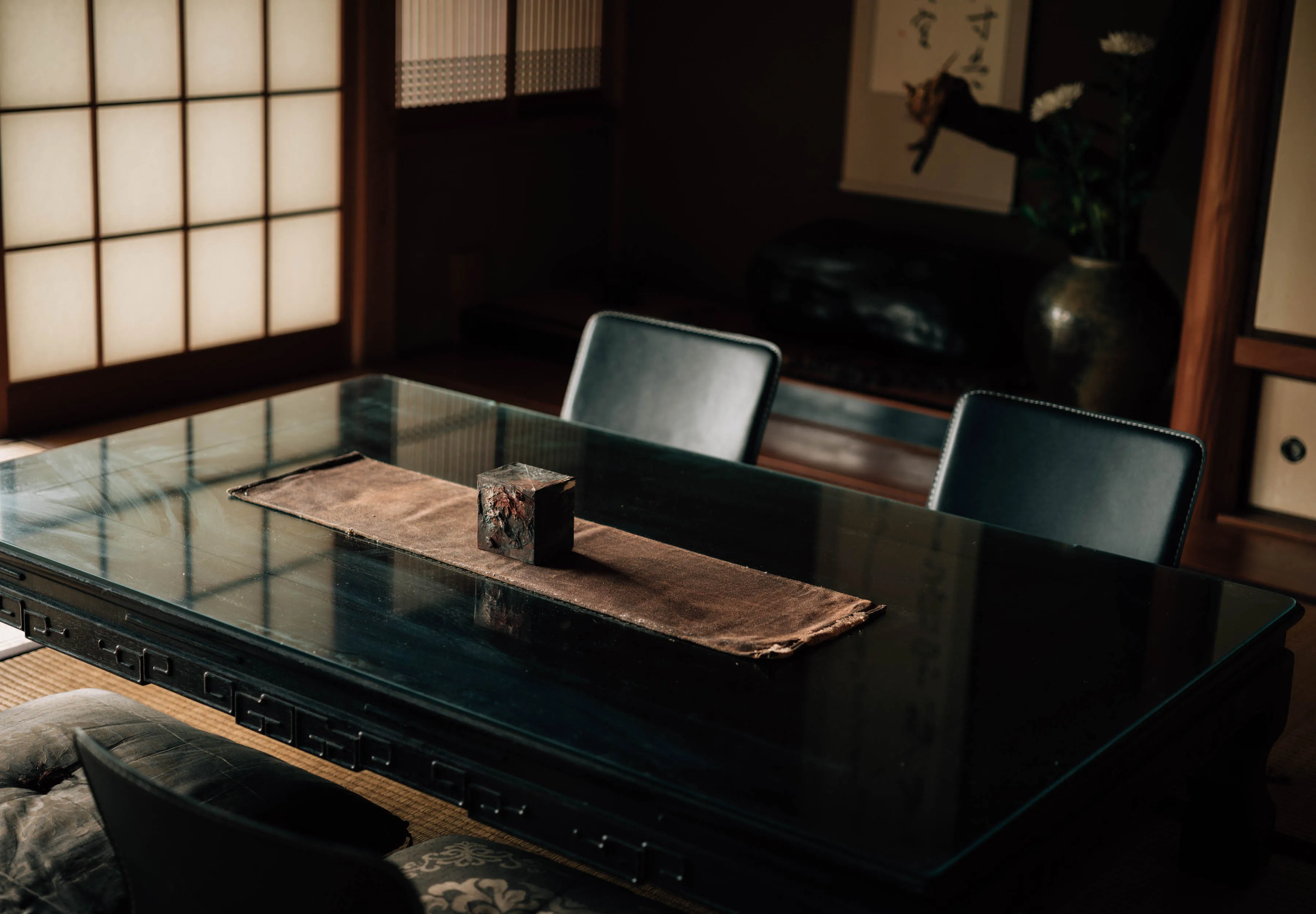
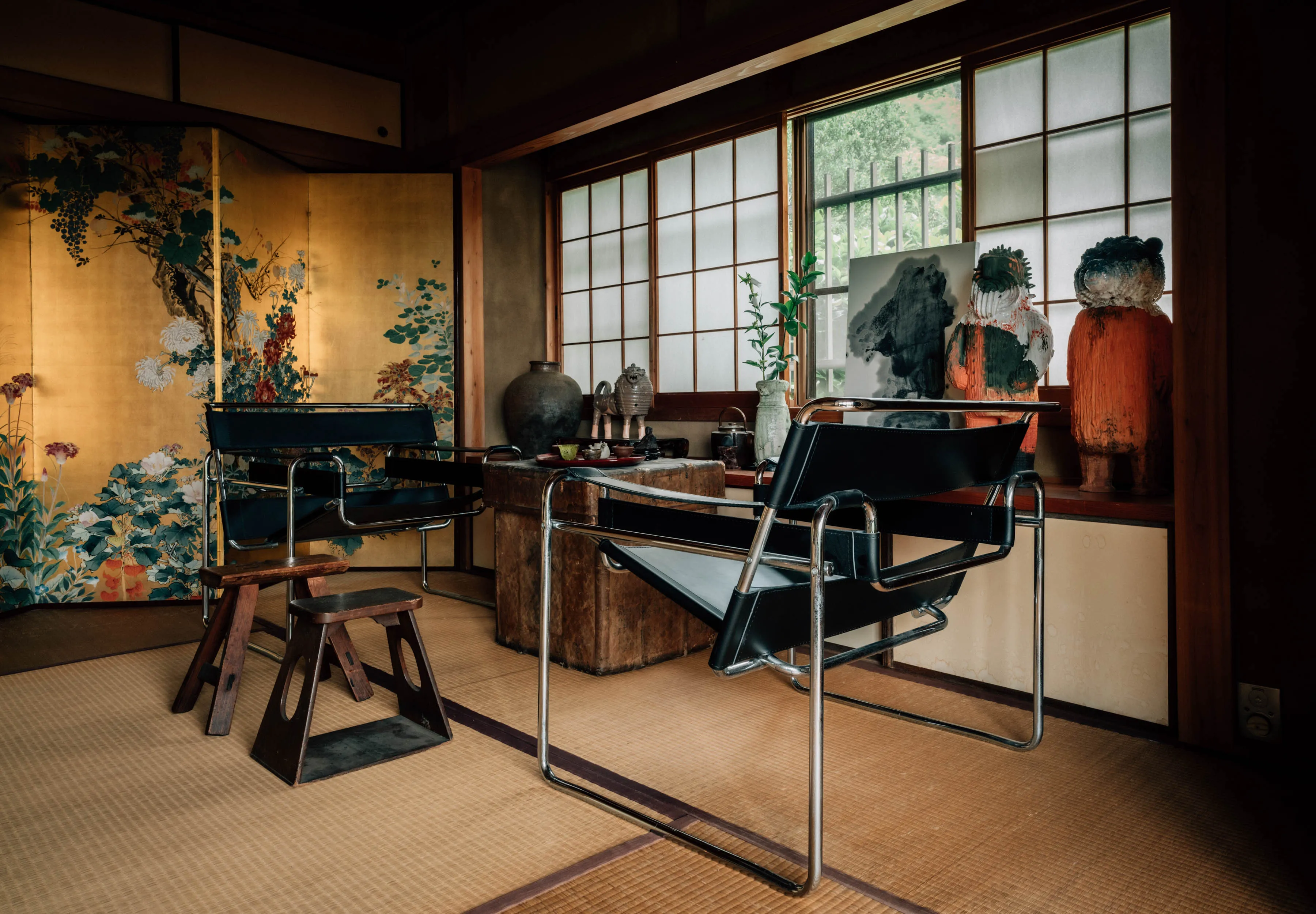
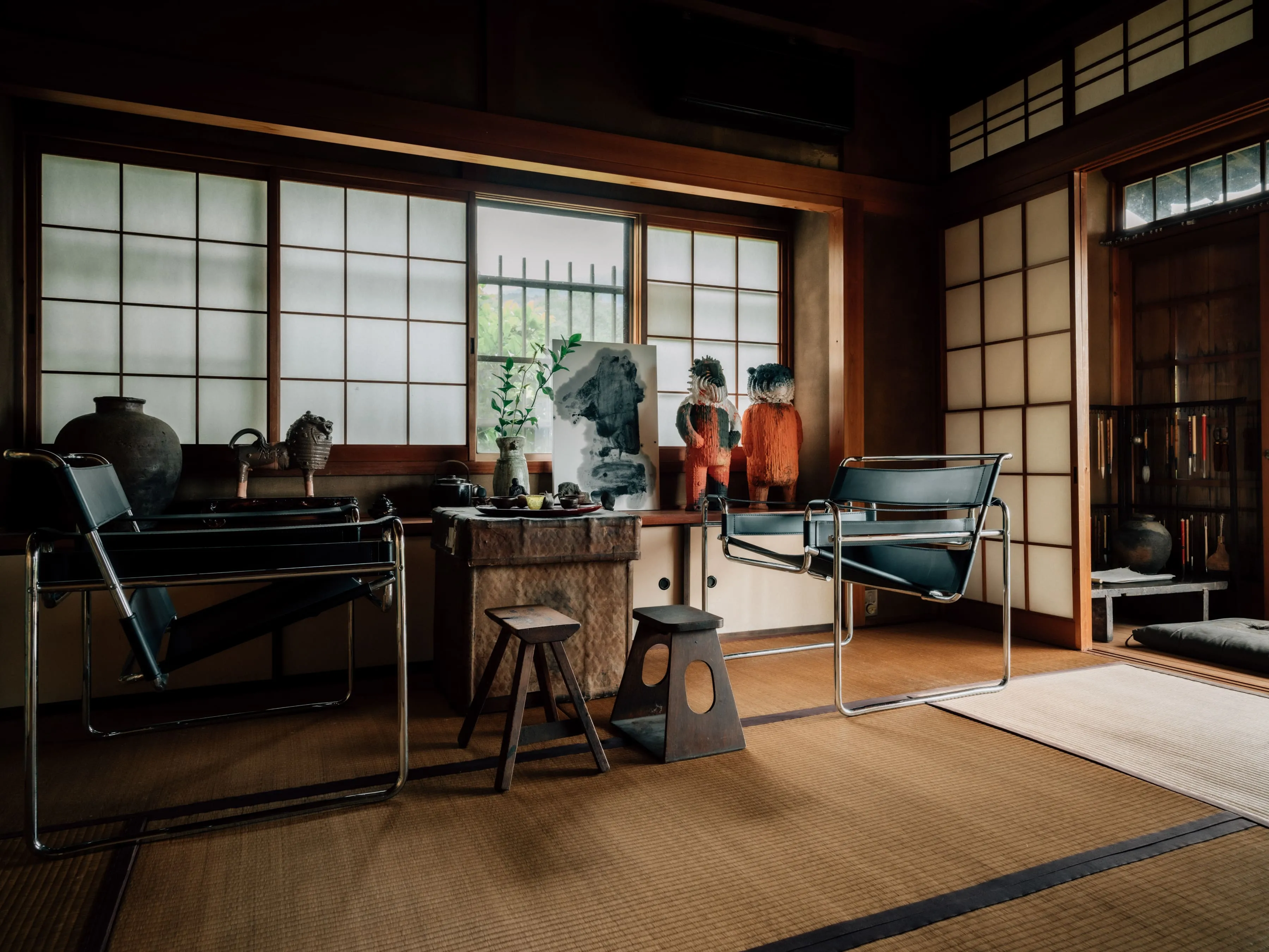
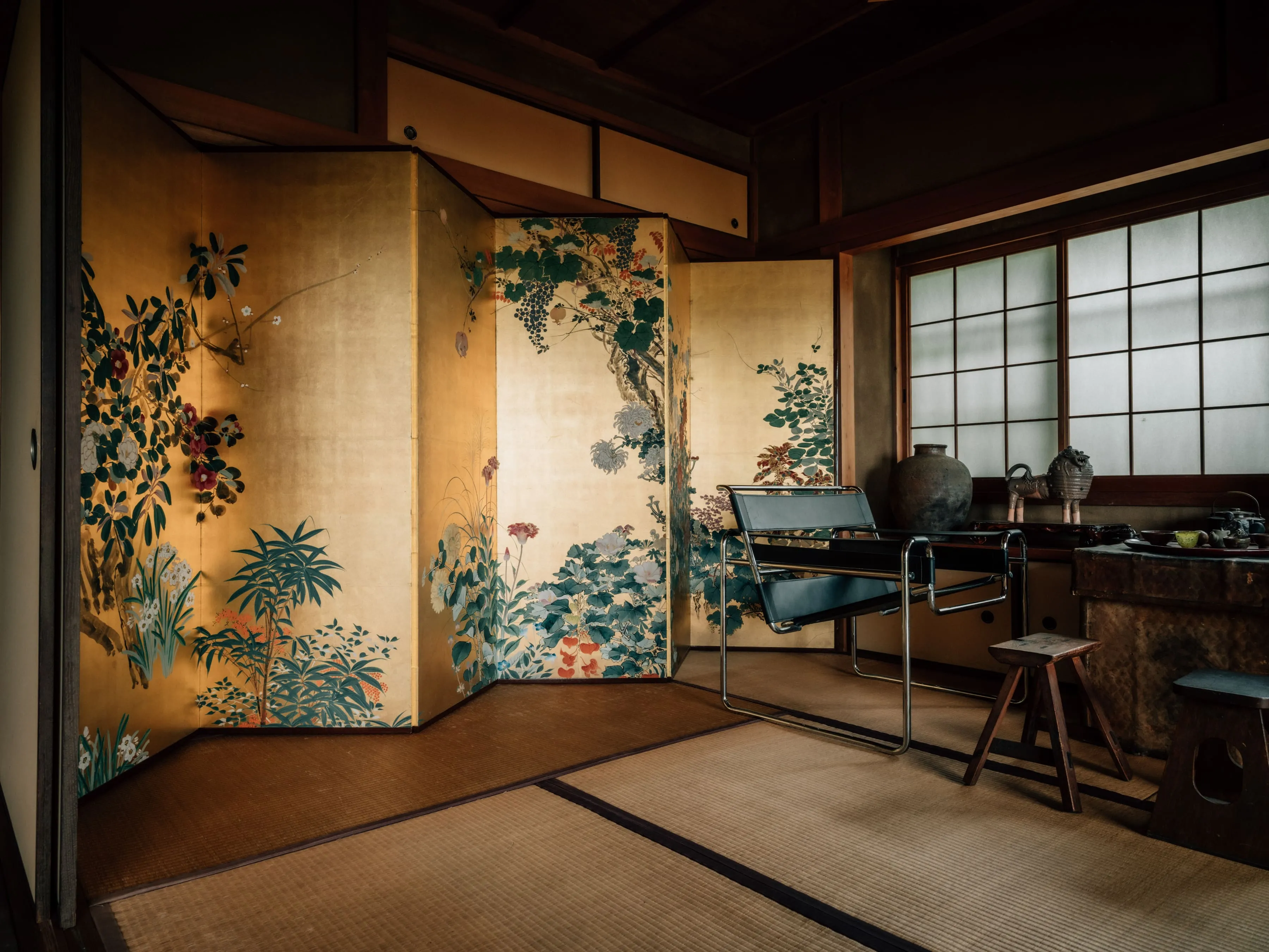
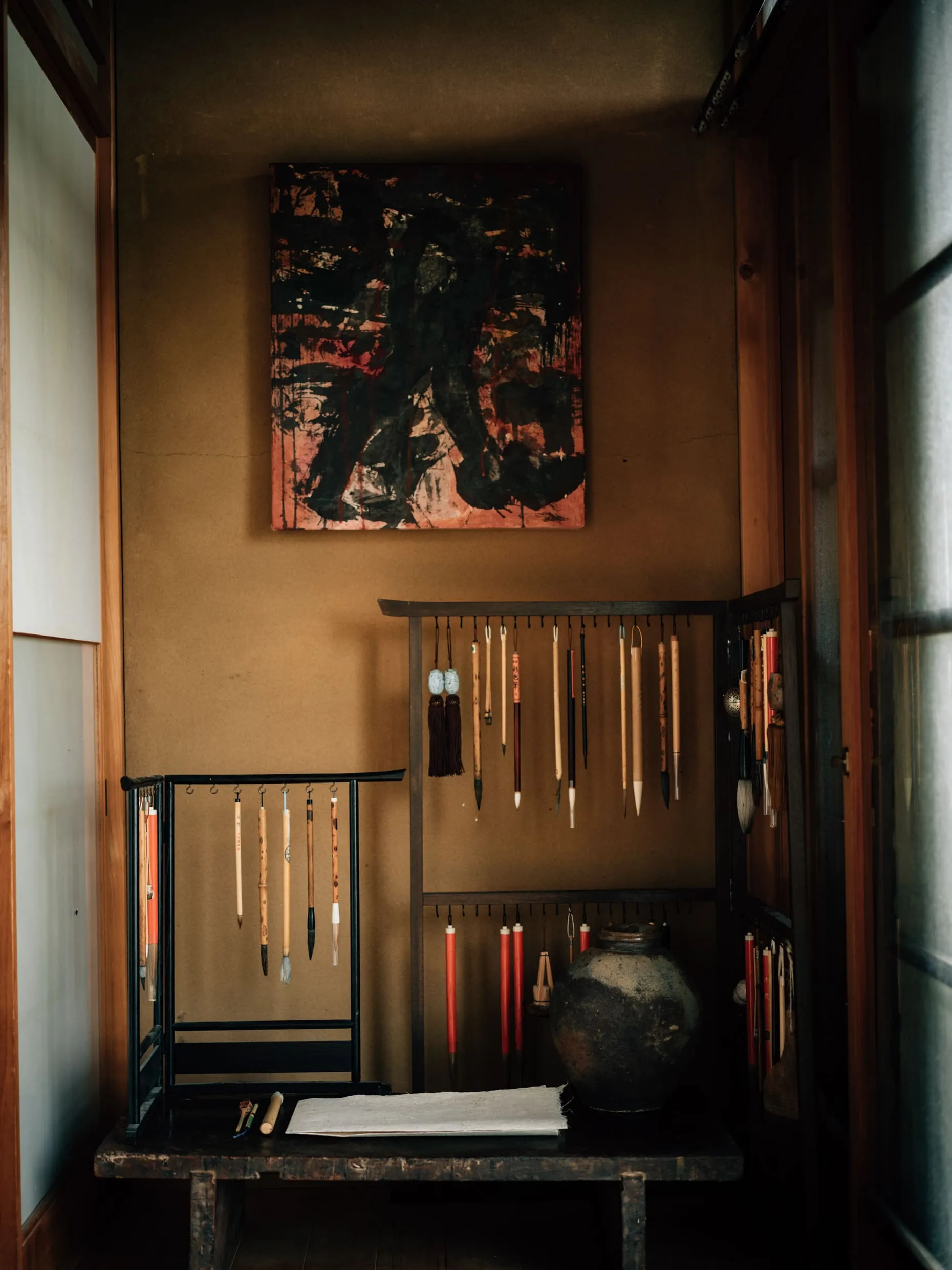
You enter a spacious, bright room, the center of which is divided by a byobu, a light Japanese screen. The owner explains that the hall is multifunctional: on one side is his office with artwork and a niche for calligraphy tools; on the other is the living room where guests are received. And if they stay overnight, a couple of comfortable futons, traditional Japanese mattresses, are laid out here.

The owner talks about the interior of a traditional Japanese house in the "shoin-zukuri" or "study style", which originated from the design of the dwellings of Zen monks and samurai in the fifteenth and sixteenth centuries. It is always recognizable by its characteristic component "shoji" - sliding doors, as well as window and room partitions made of translucent sheets of rice paper in wooden frames. This is the first picture that comes to mind when you think of Japanese style in the interior.

CHASHITSU

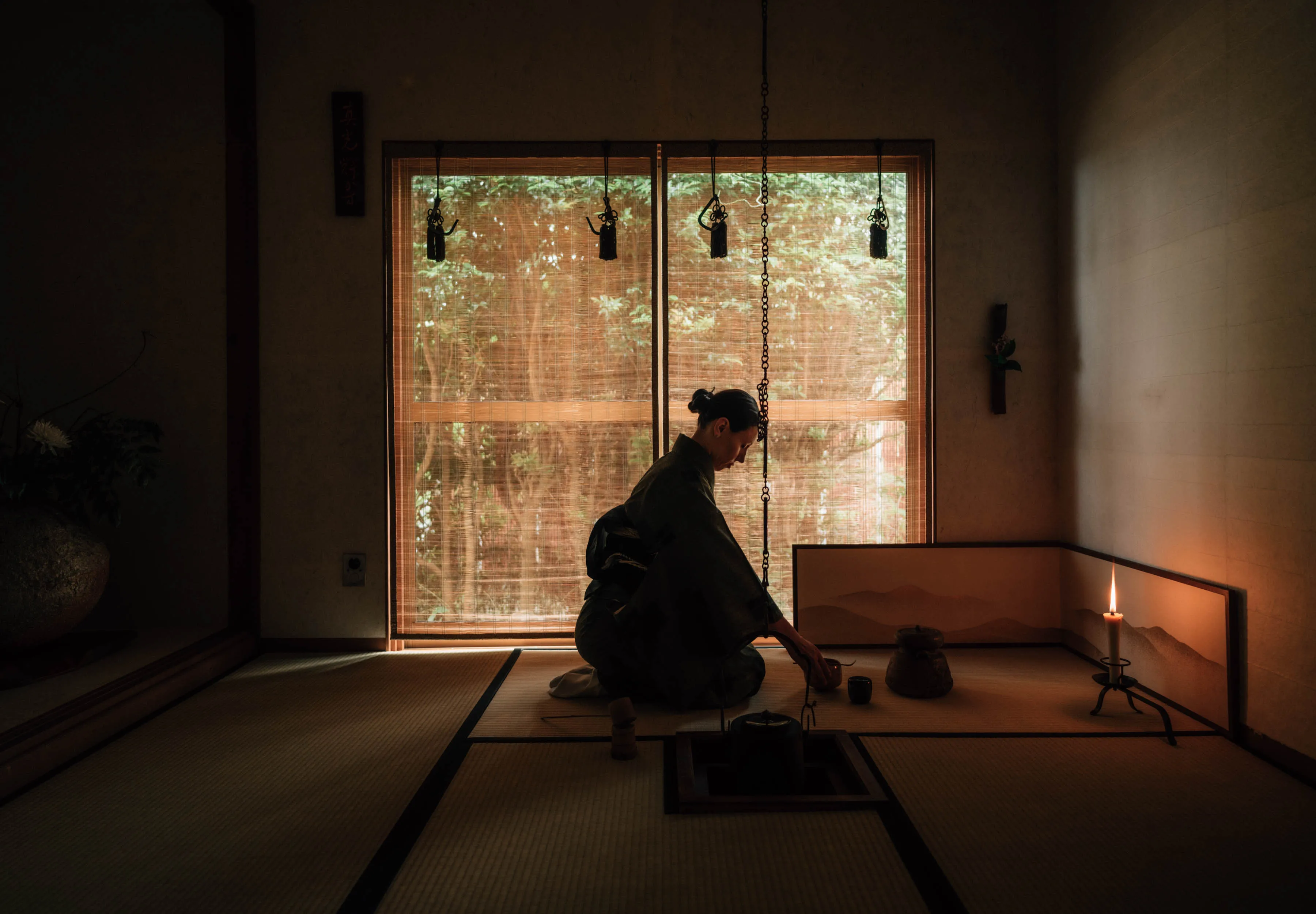
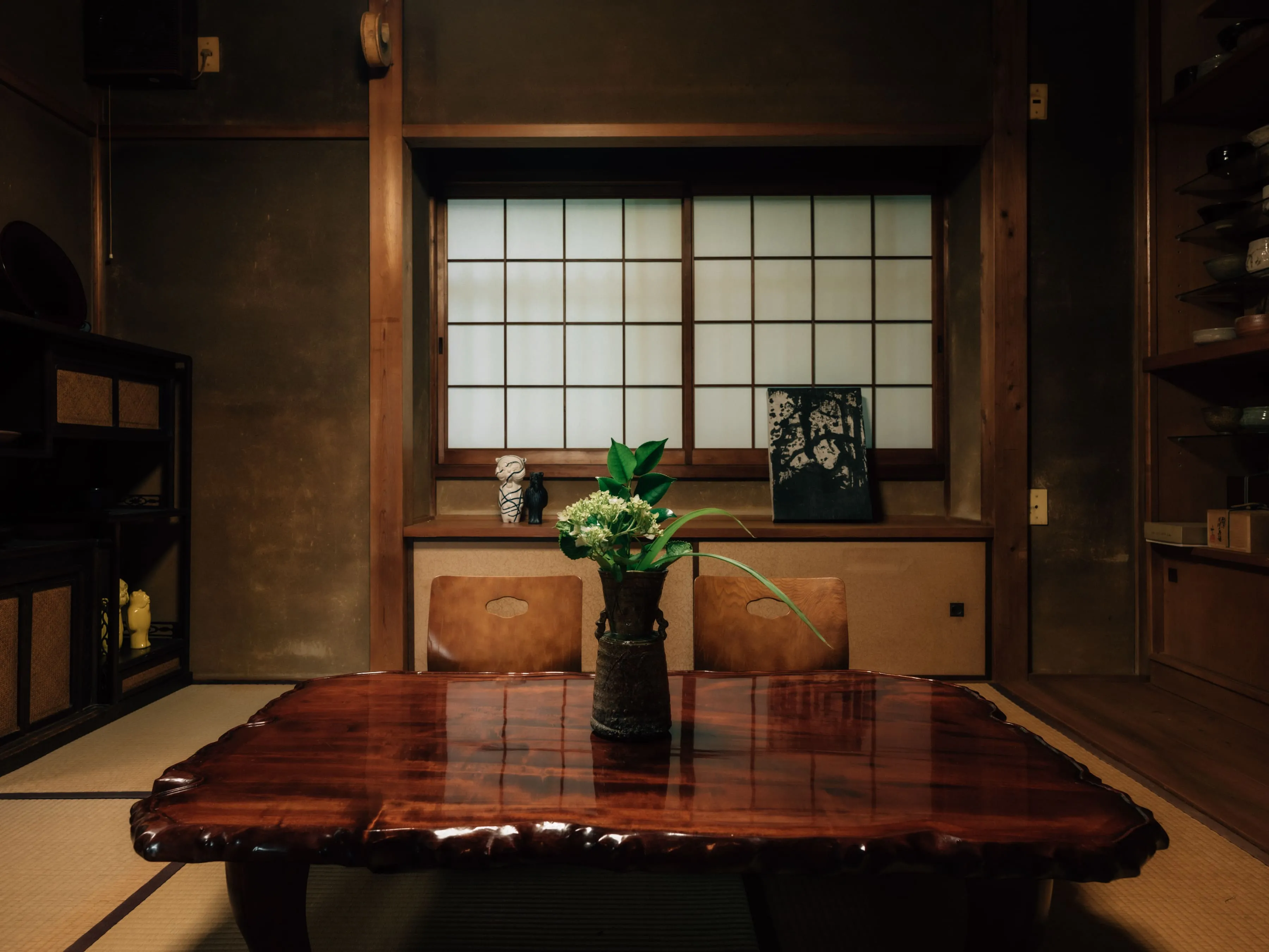
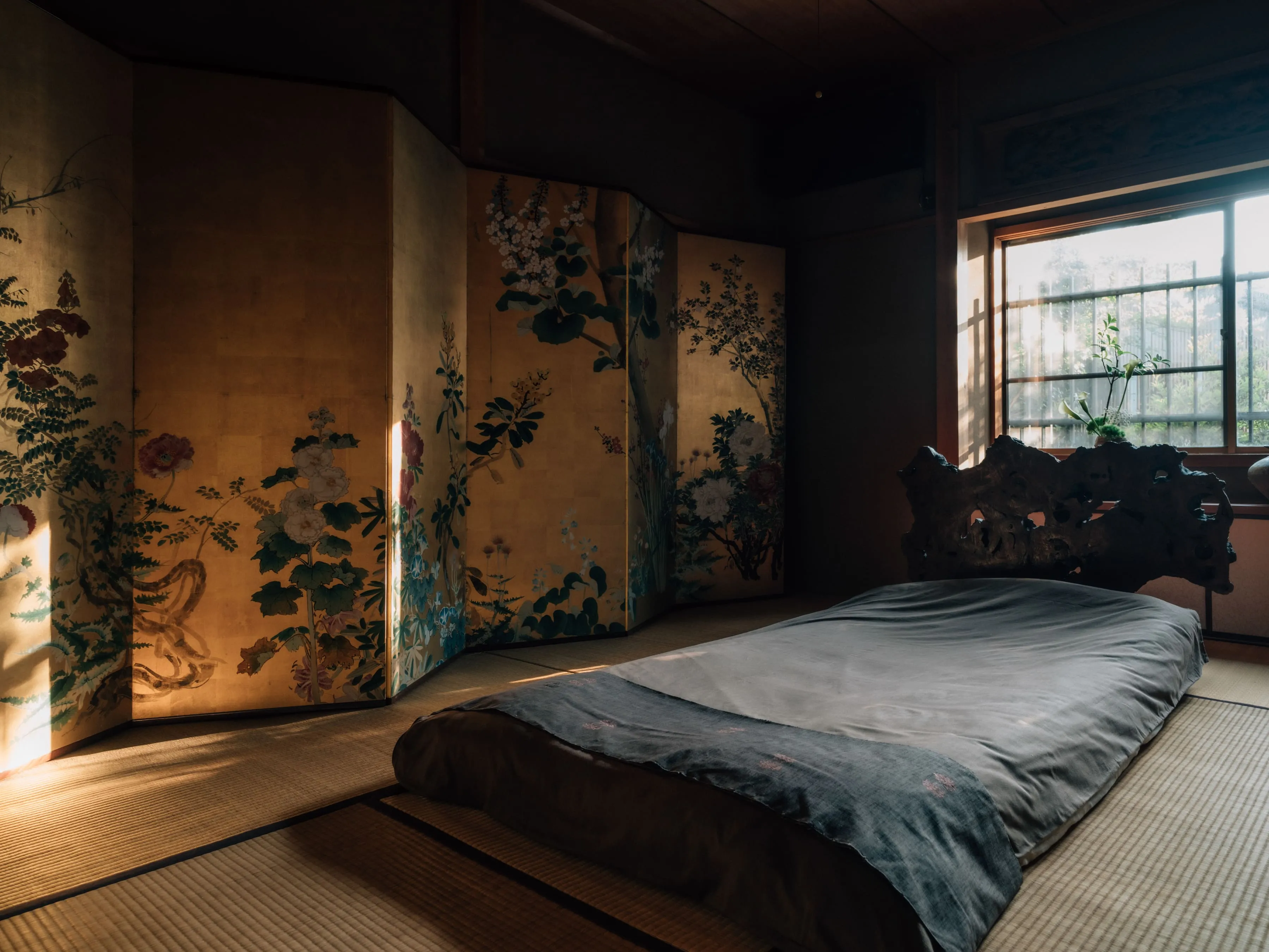
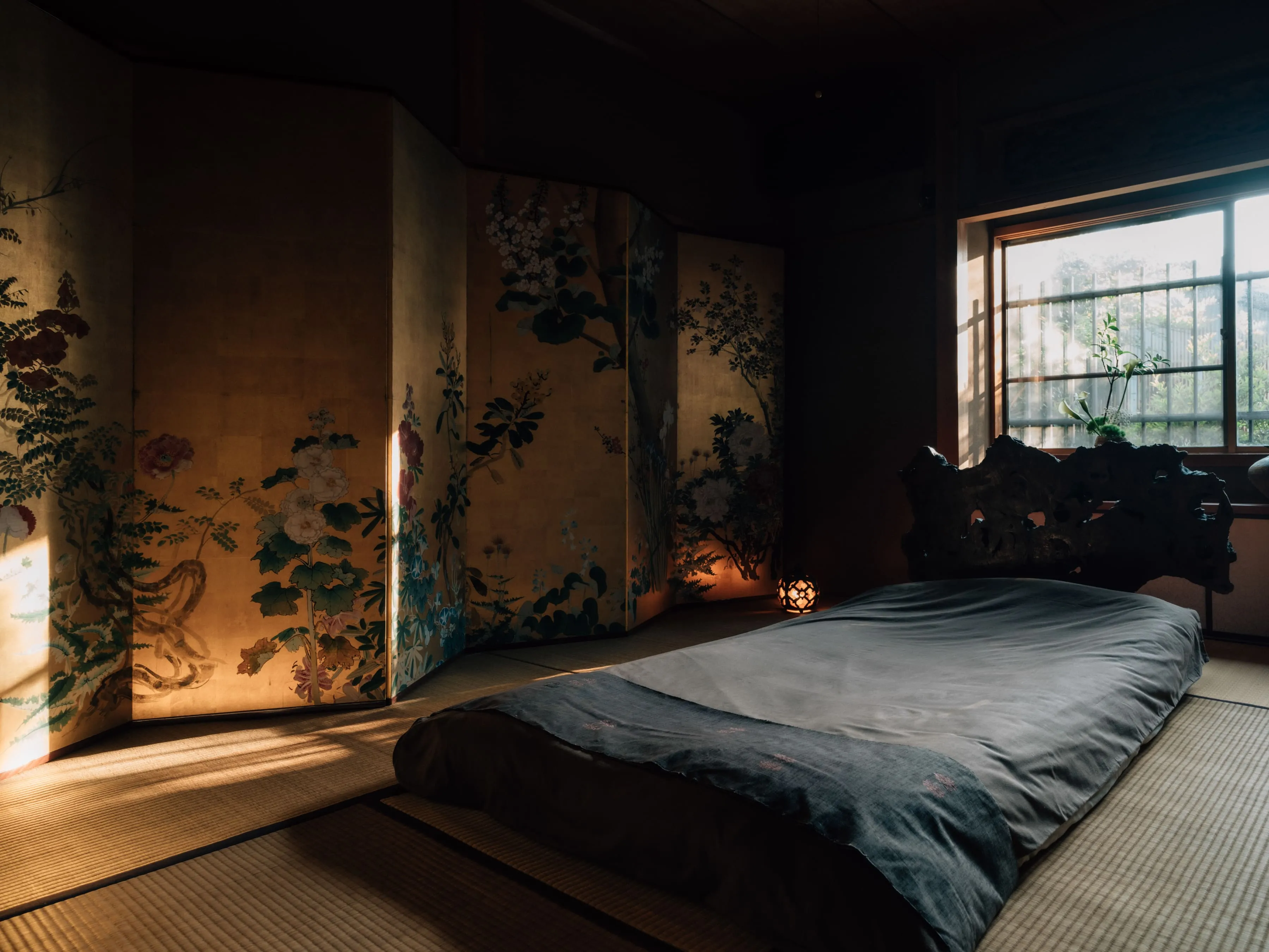
After enjoying a leisurely conversation, the host invites you to the heart of KYOTO HOUSE - the tea room, or "tashitsu". This room used to serve as a Japanese bedroom, but now it is an authentic tearoom with a wabi-sabi spirit in the interior and all the proper attributes.

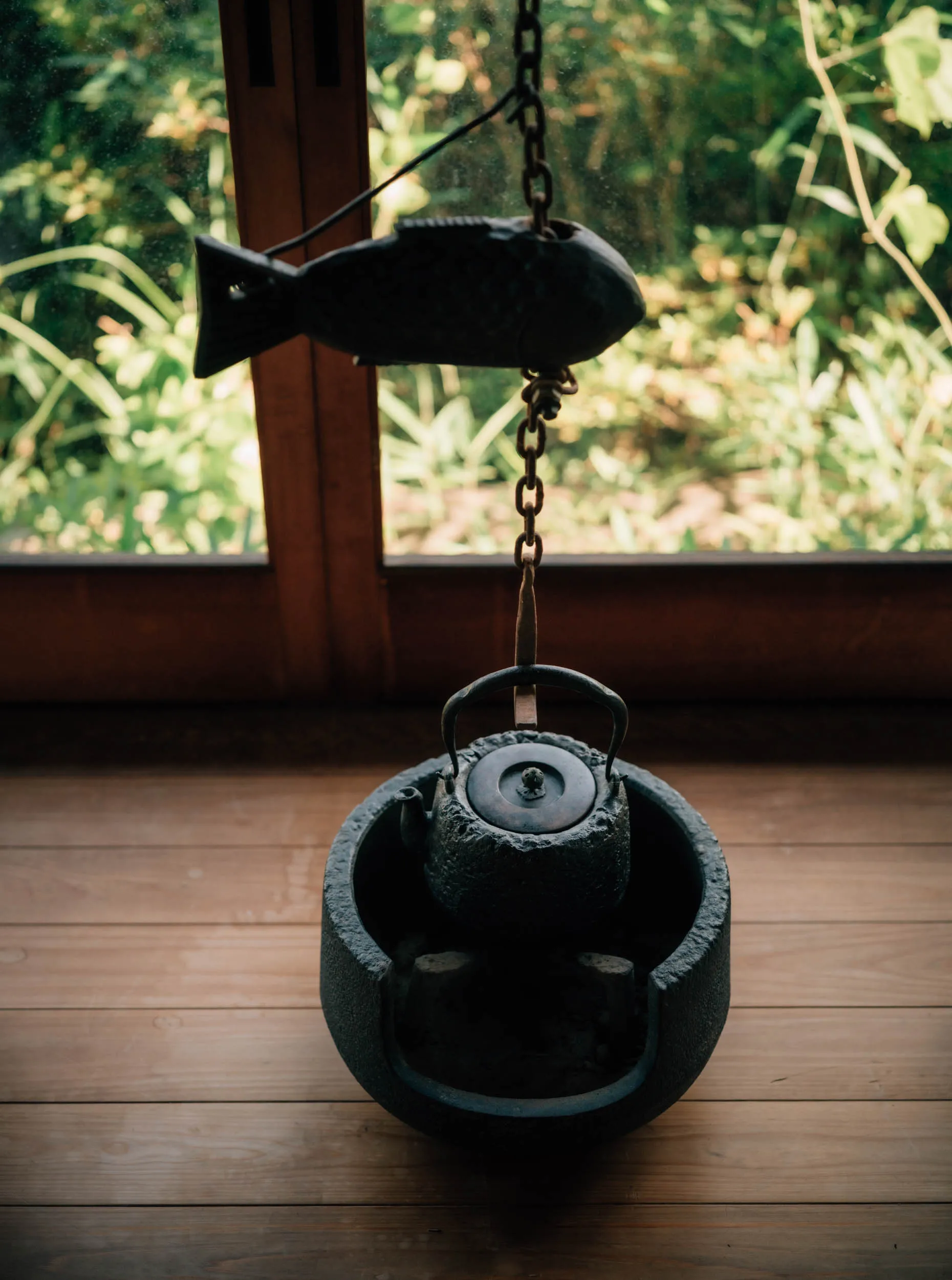
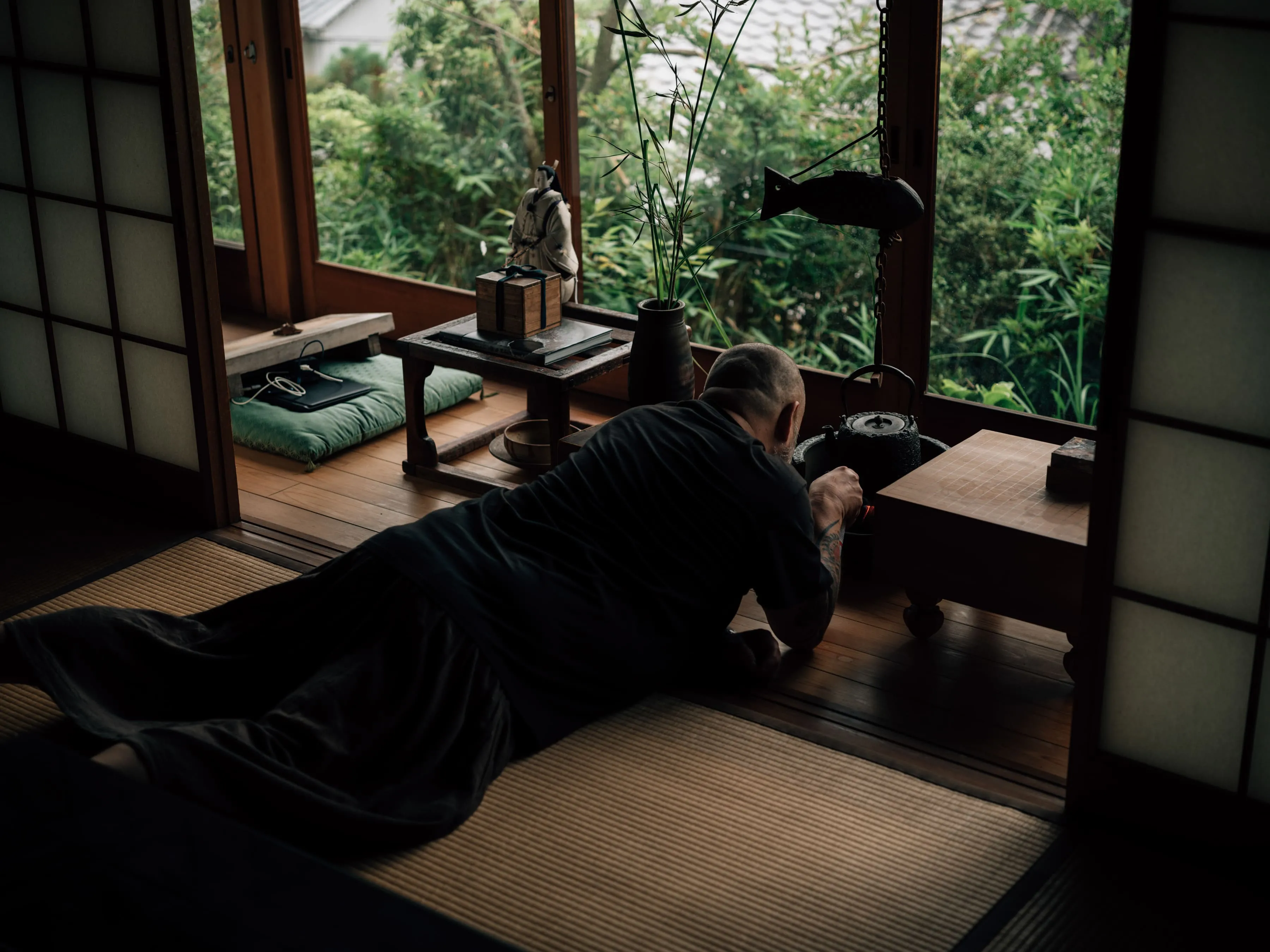
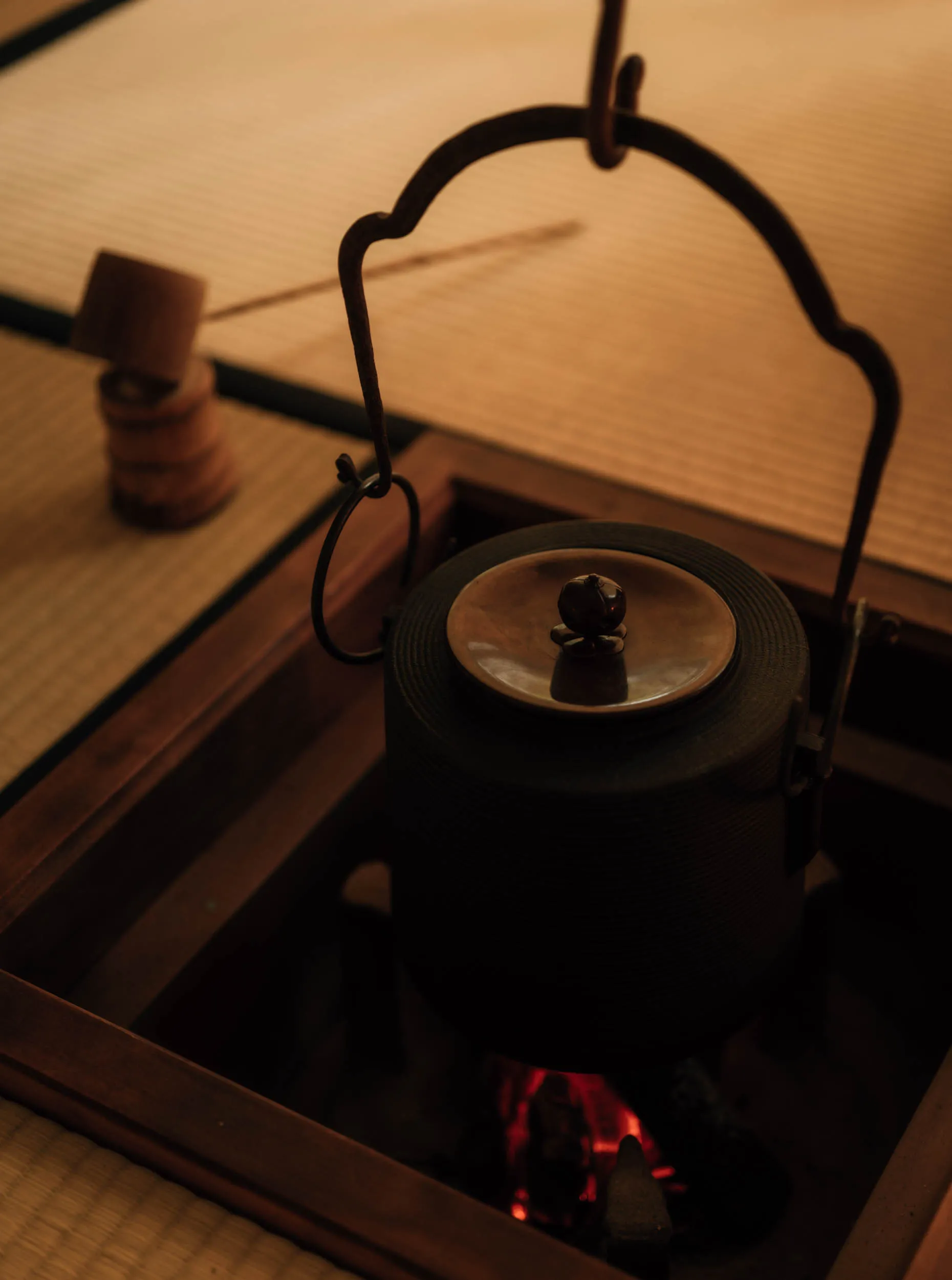
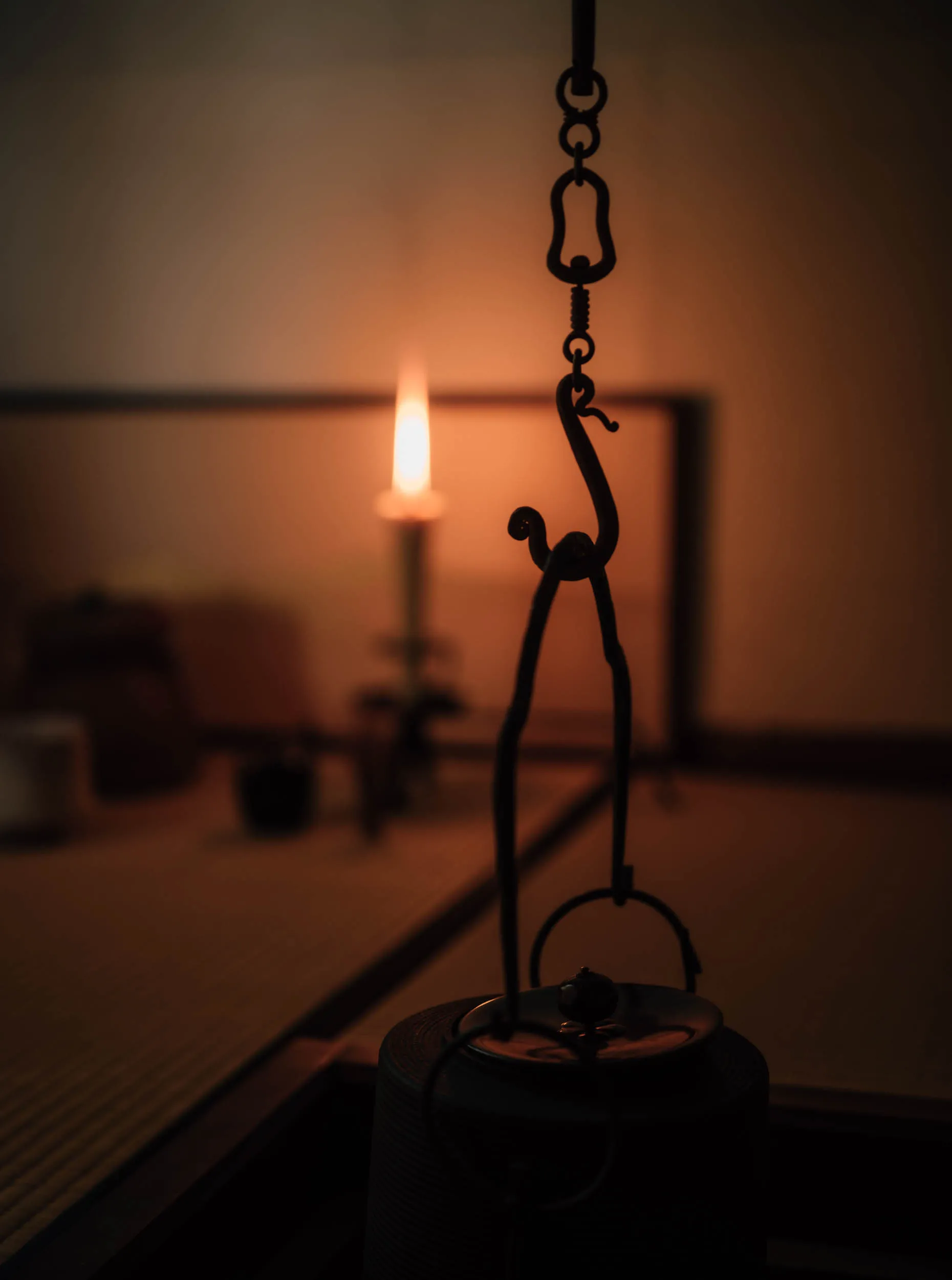
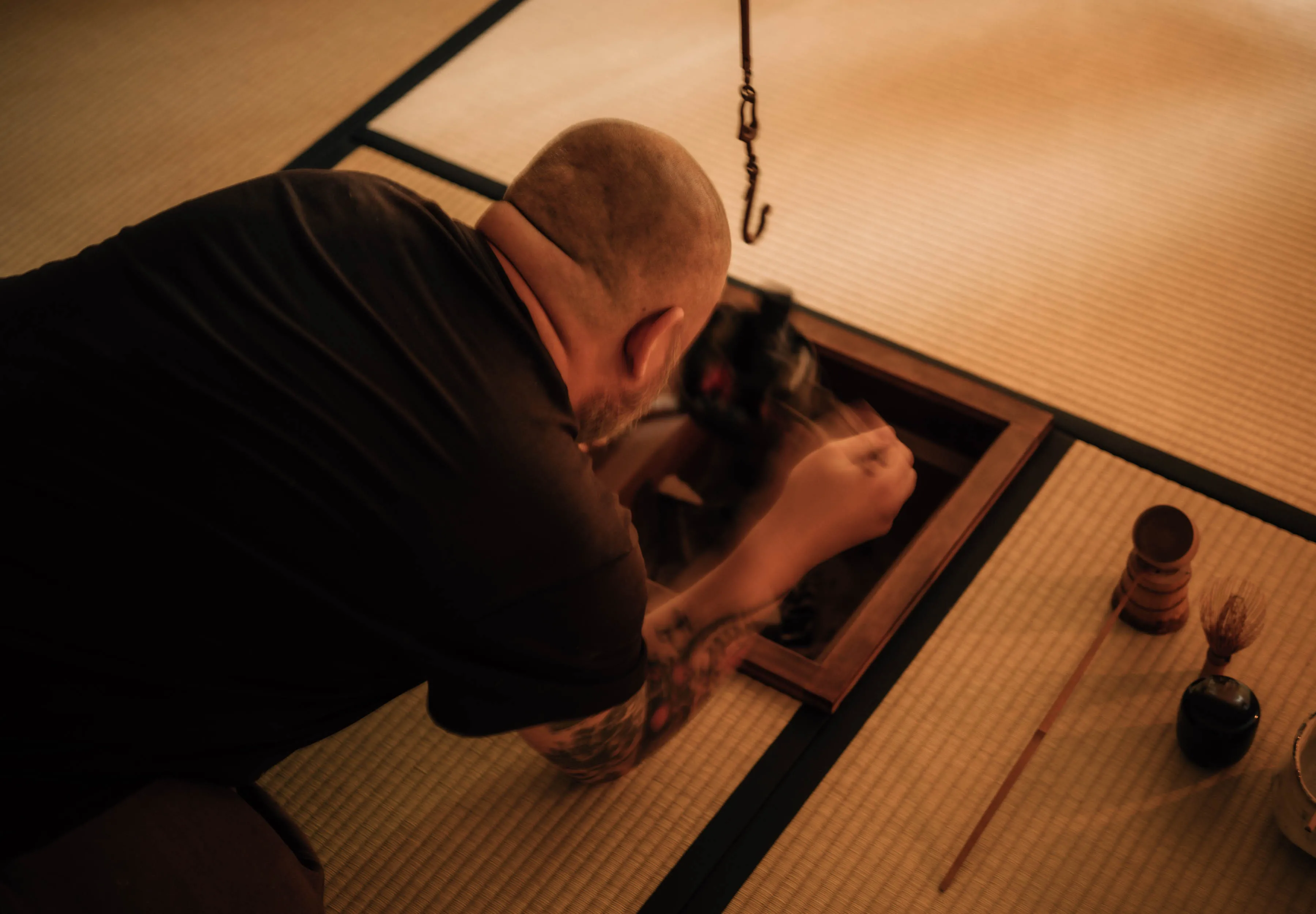
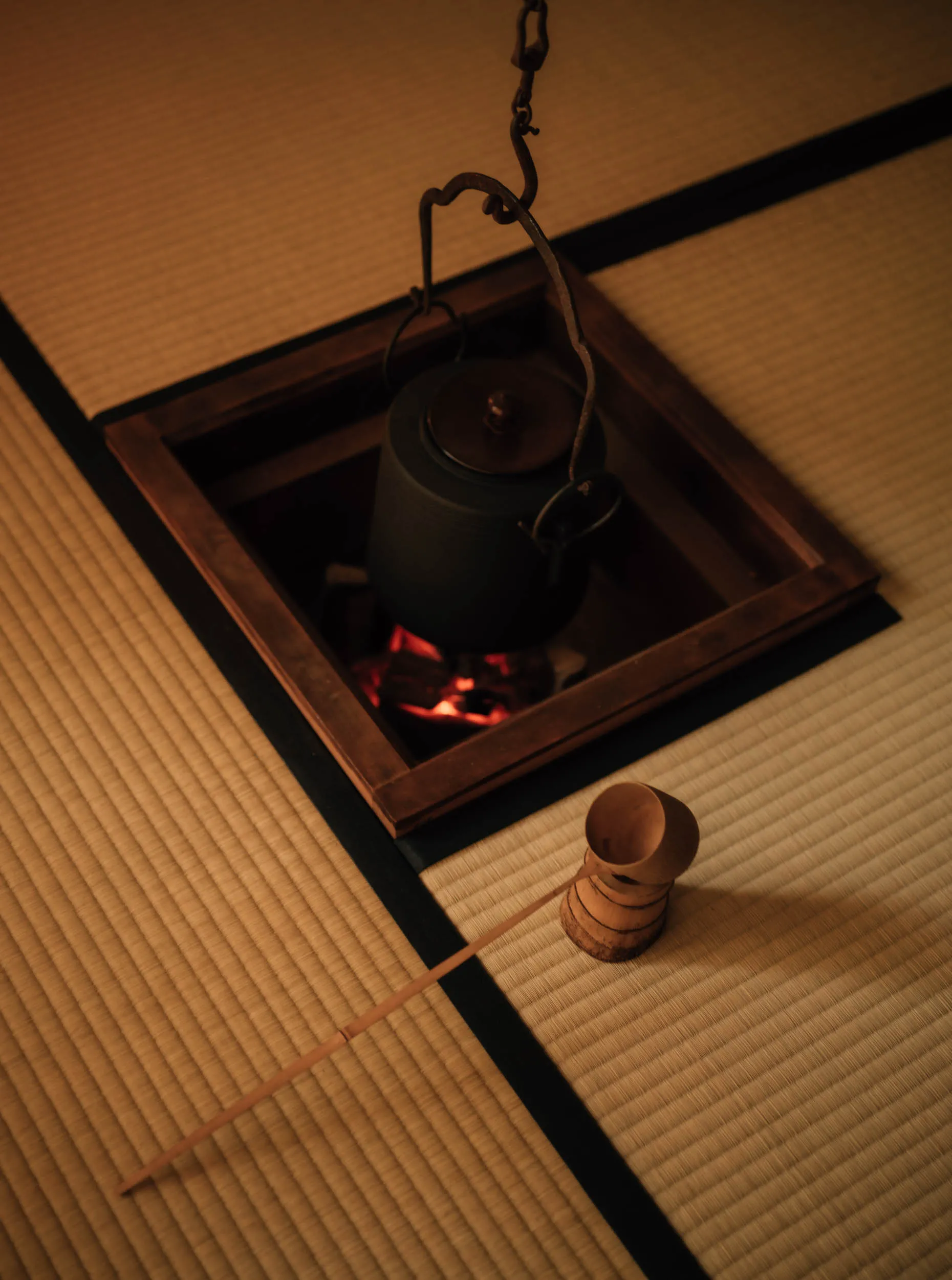
Decorated with new tatami and Japanese "vashi" paper, the tashitsu leads you to its center, where the "ro", a special fire for making tea, is located. It never goes out. Above the ro, you see a hanging teapot, and the owner is skillfully handling it.

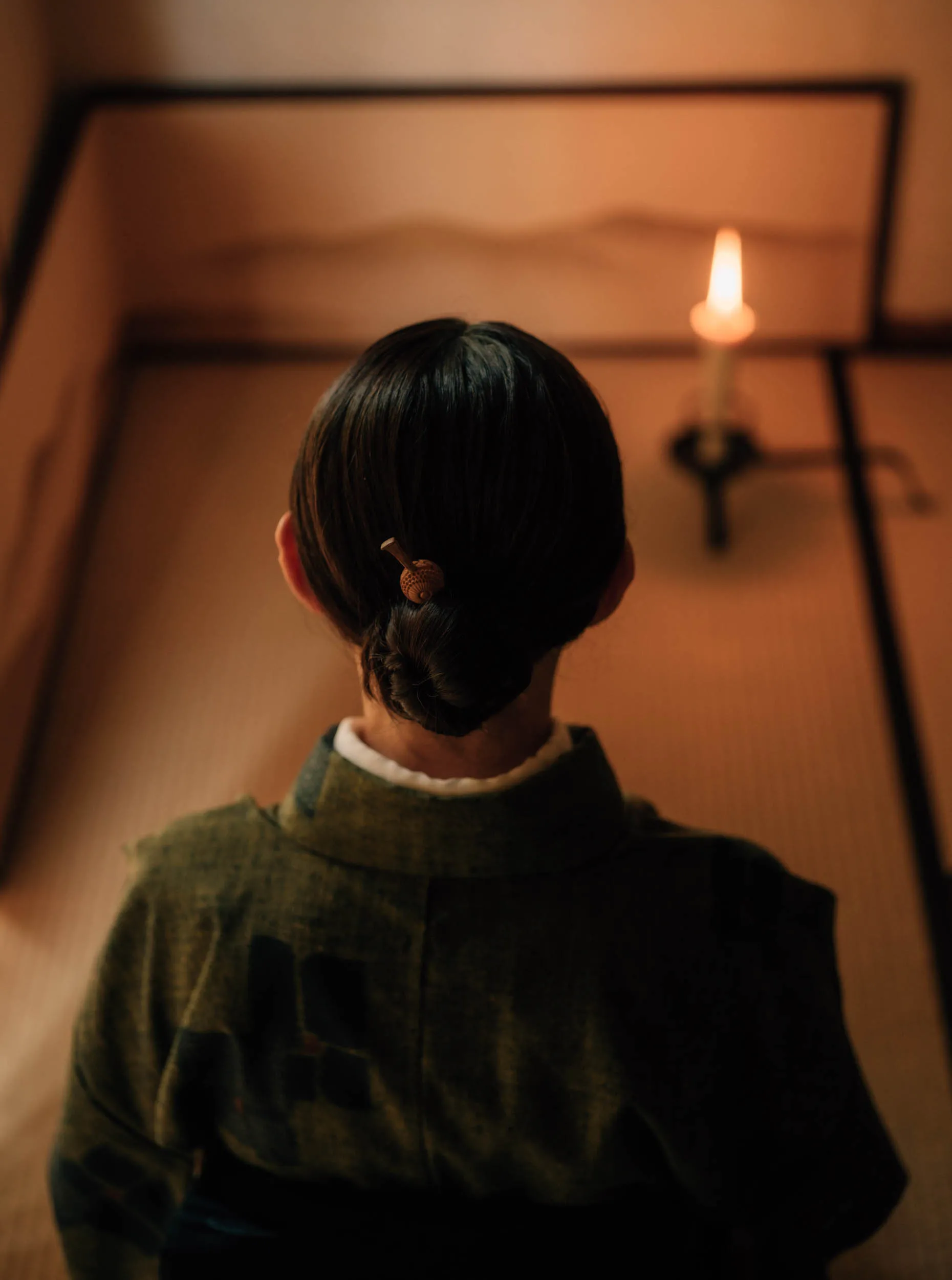
The tea performance does not tolerate idle chatter. Therefore, to tune the spirit and soul, and achieve a harmony of balance, the host invites you to immerse yourself in meditation, contemplating the tokonoma.

TOKONOMA

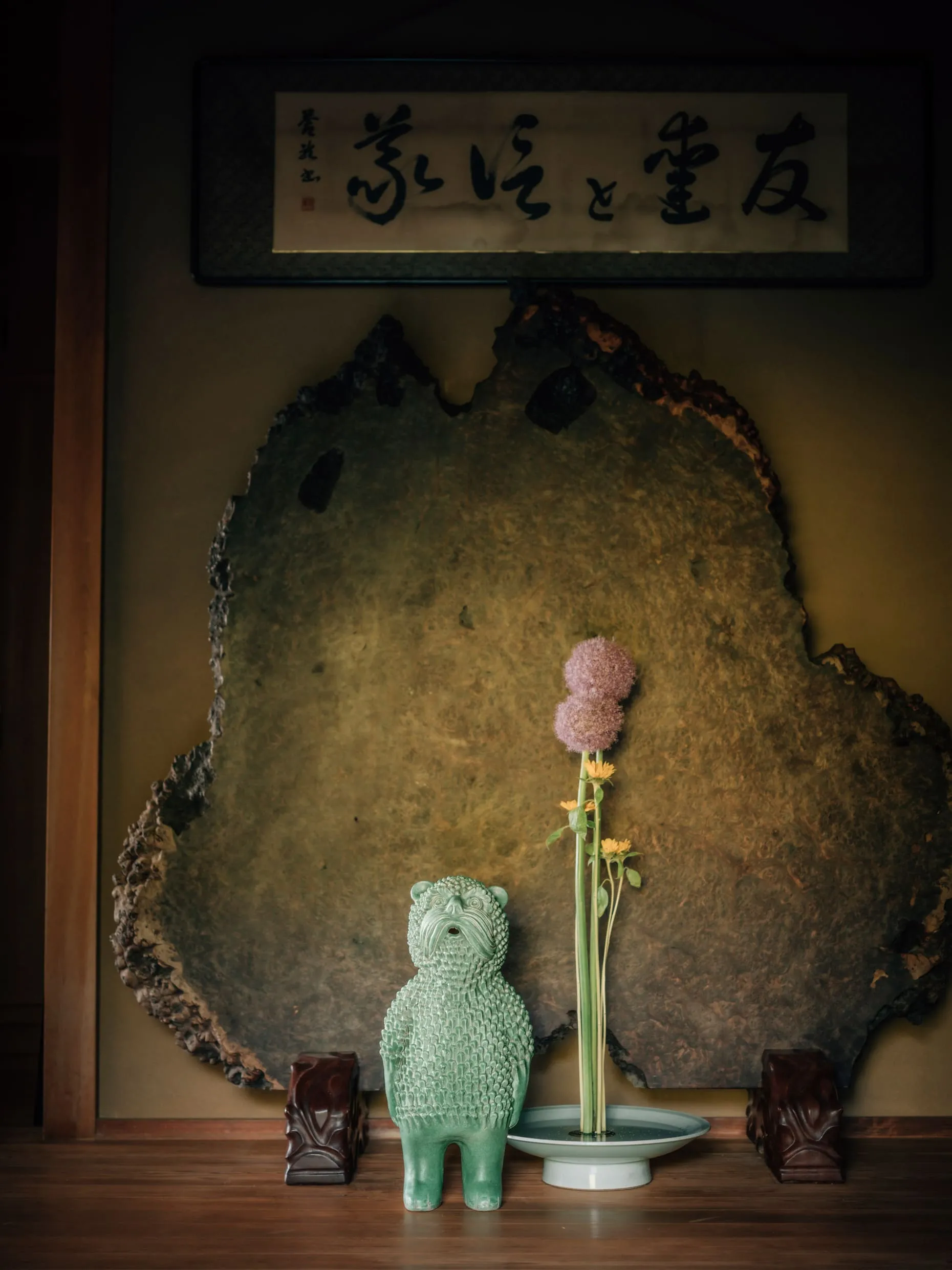
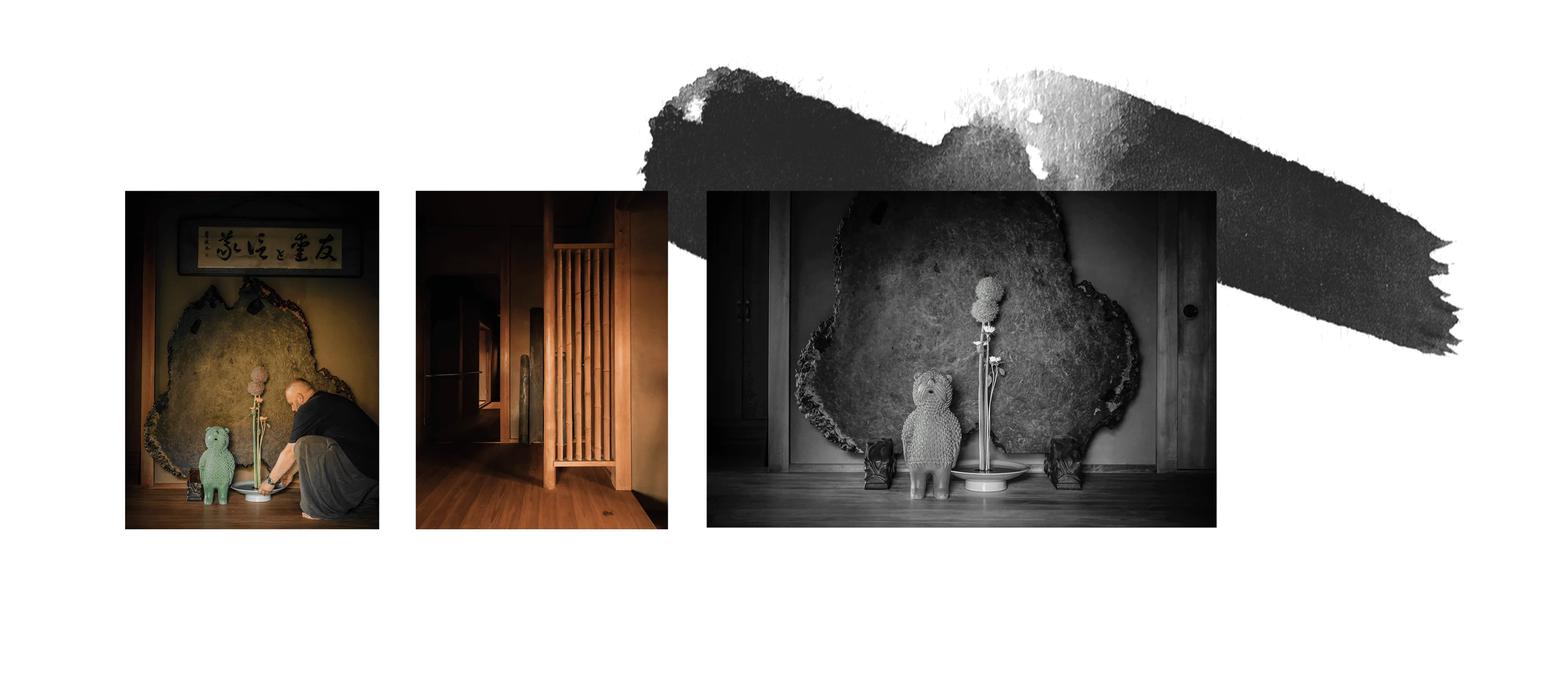
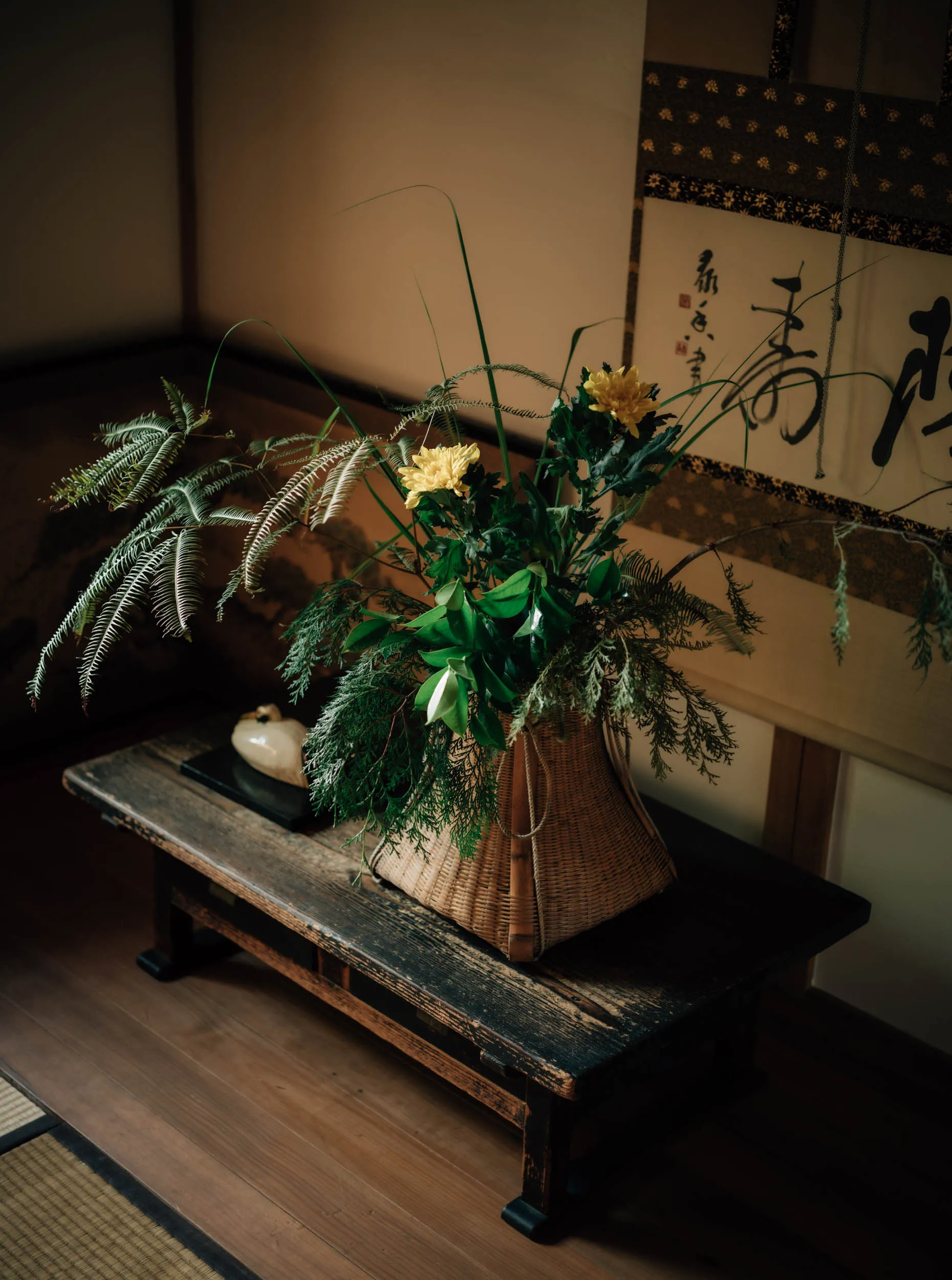
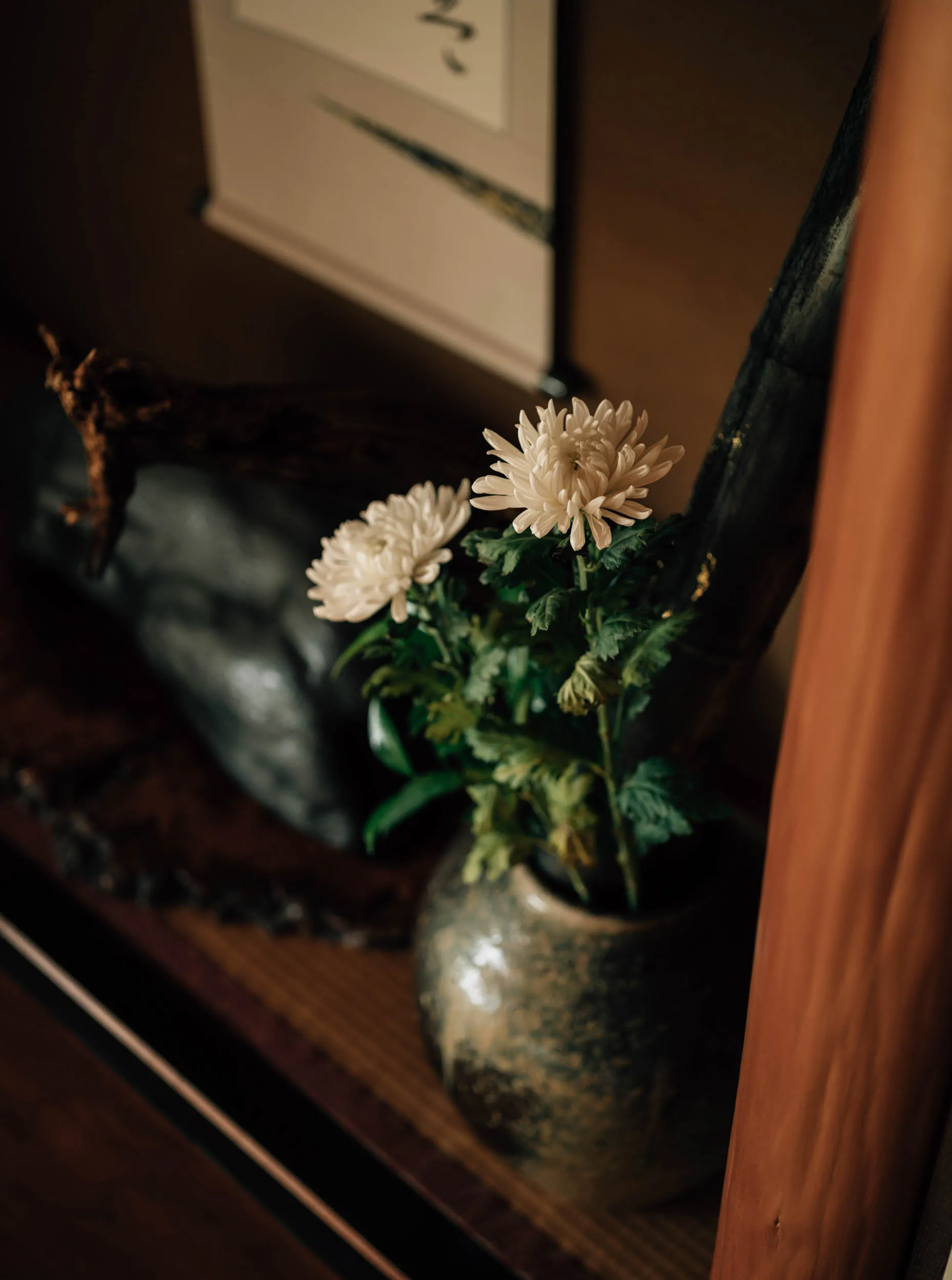
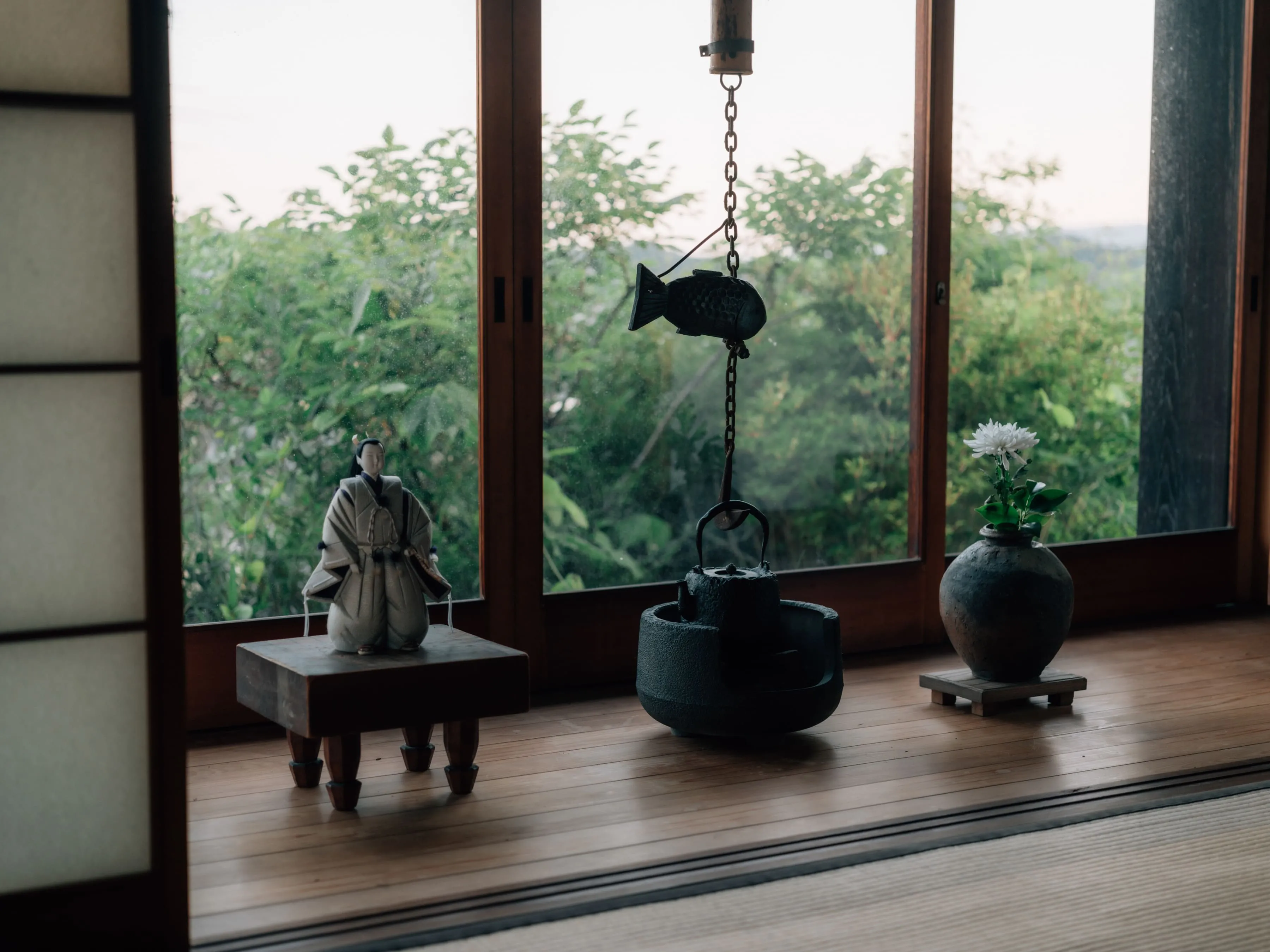
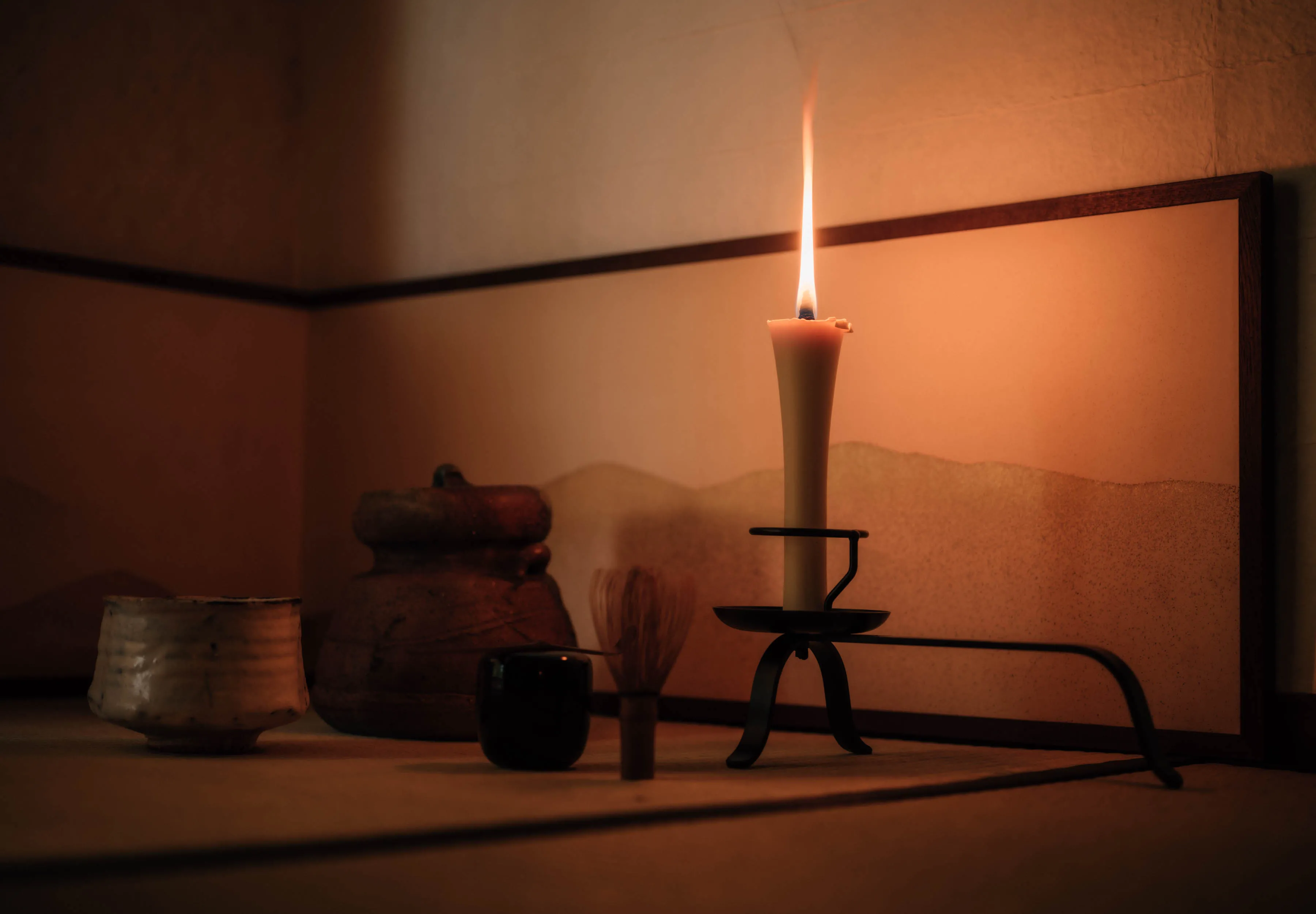
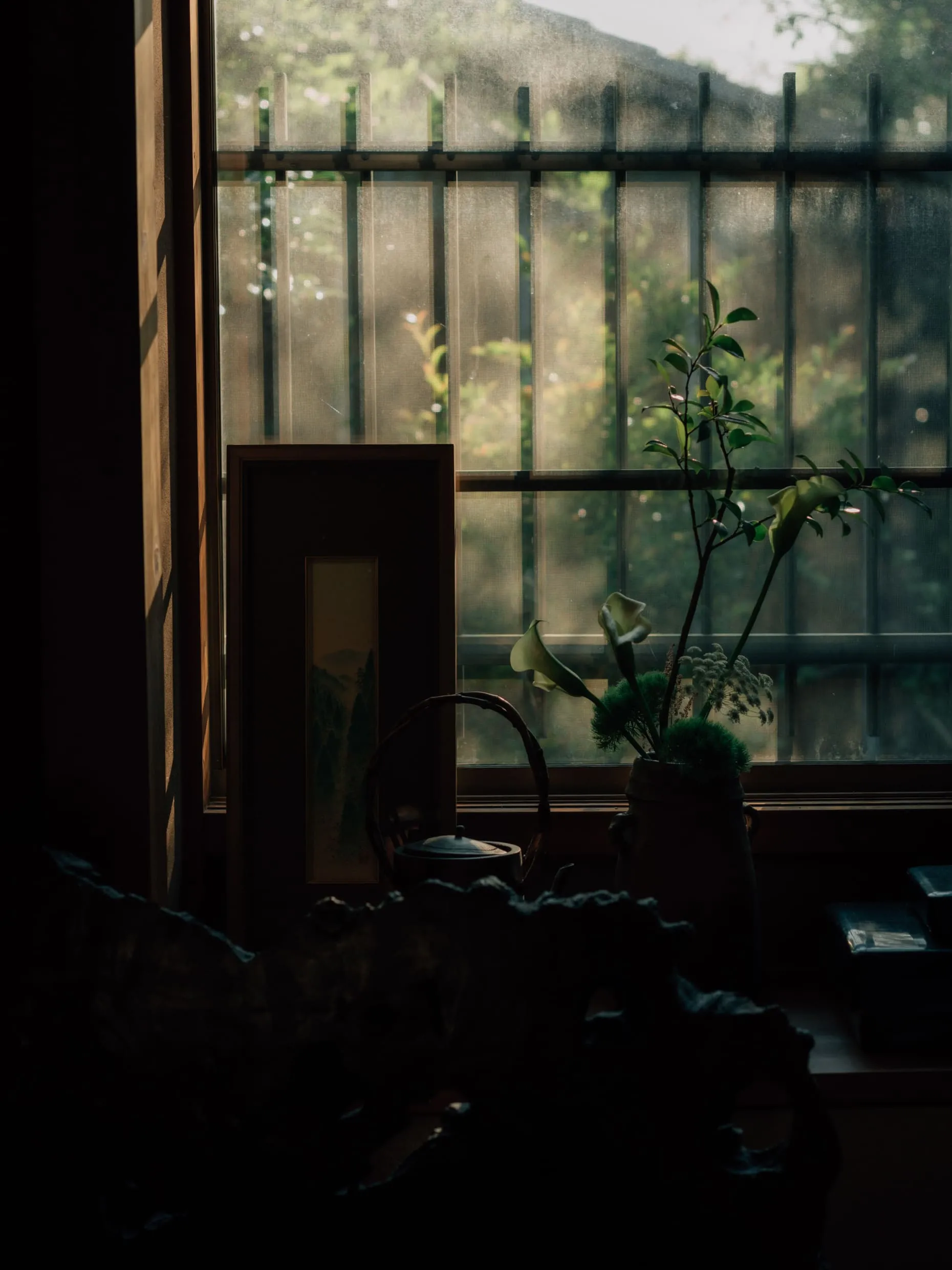
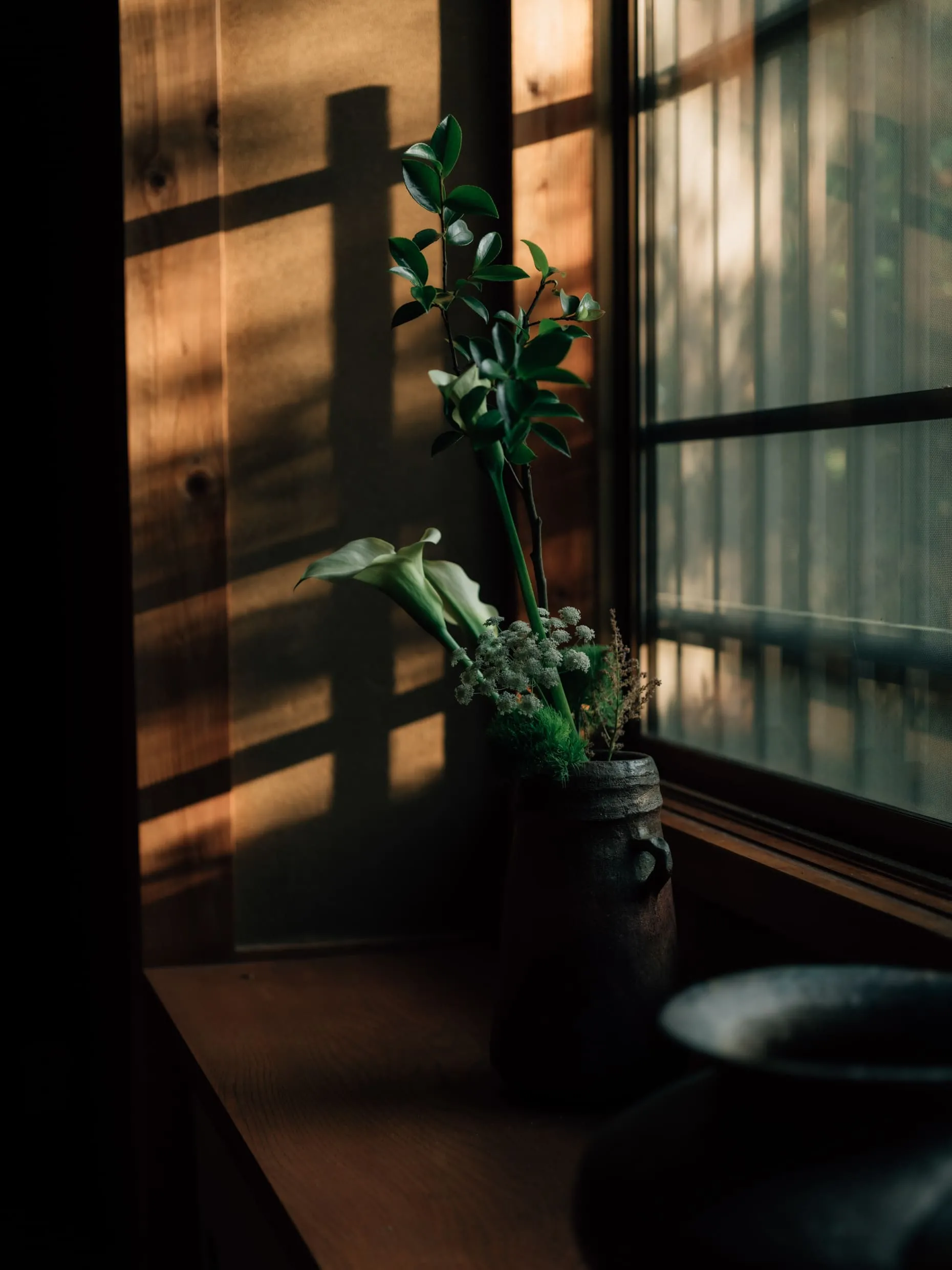
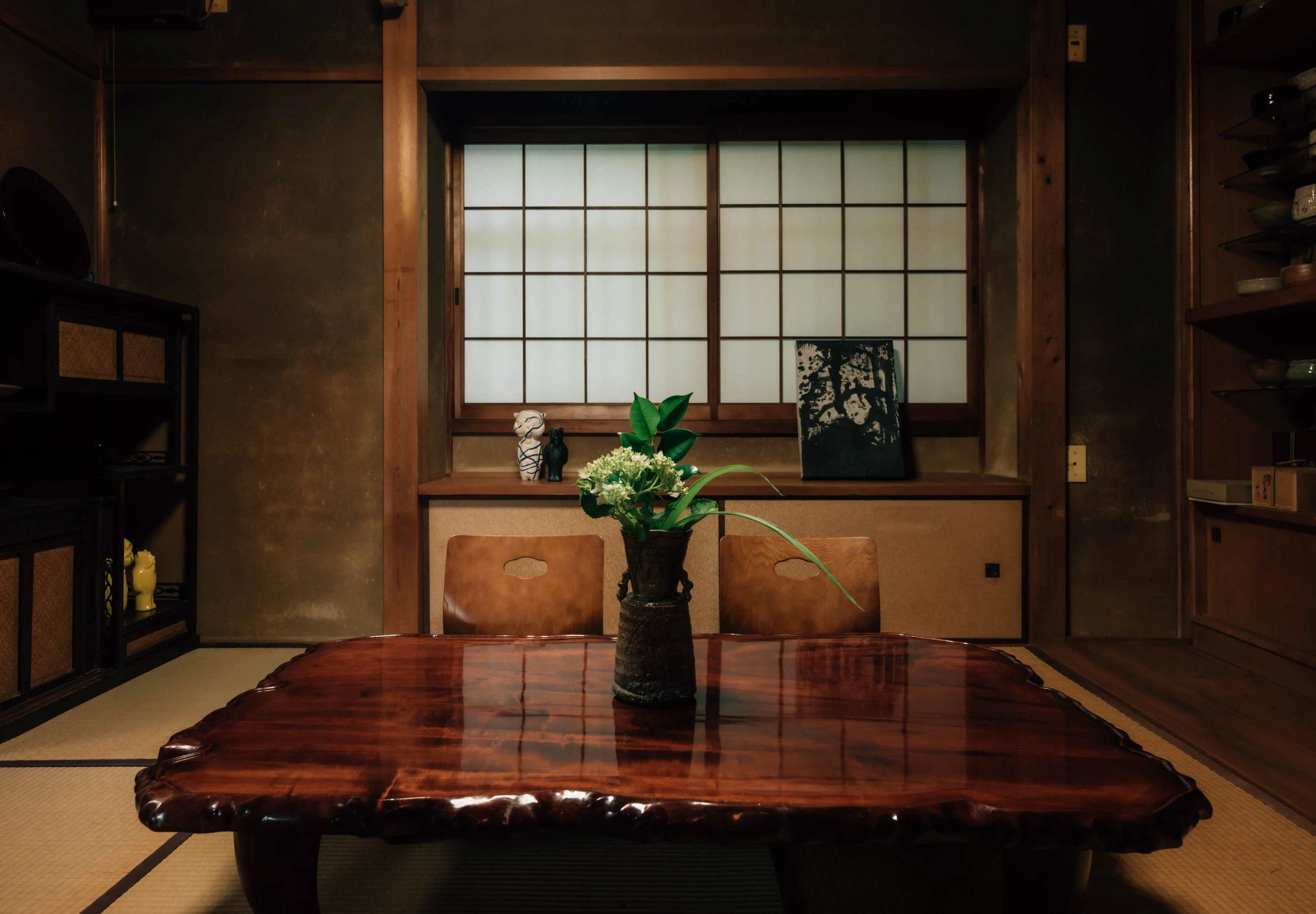
"Tokonoma" is the most honorable place in a Japanese home, a sign of an aristocratic house. It is a niche in the wall of a tashitsu where objects are placed to guide you on your tea journey.

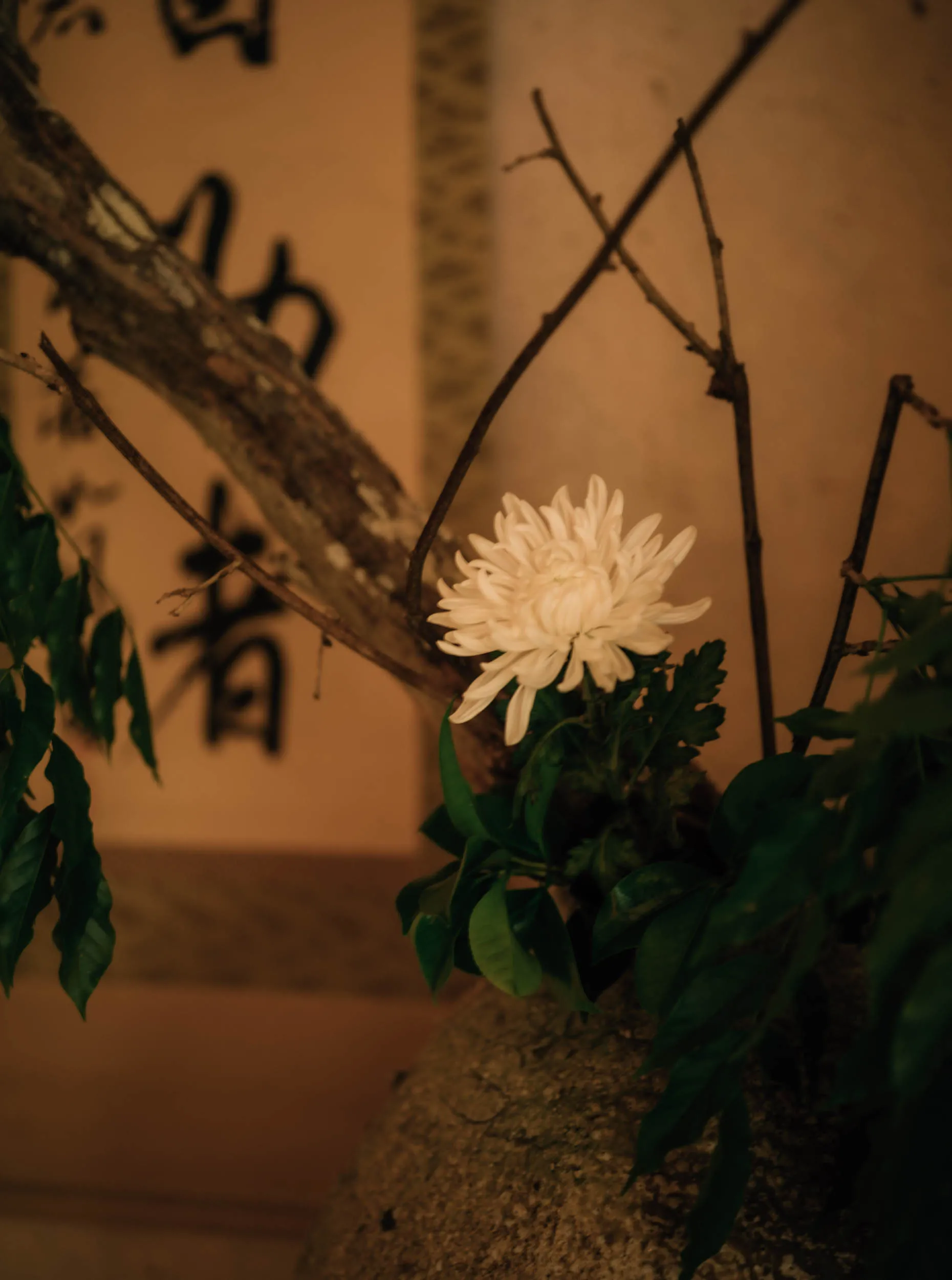
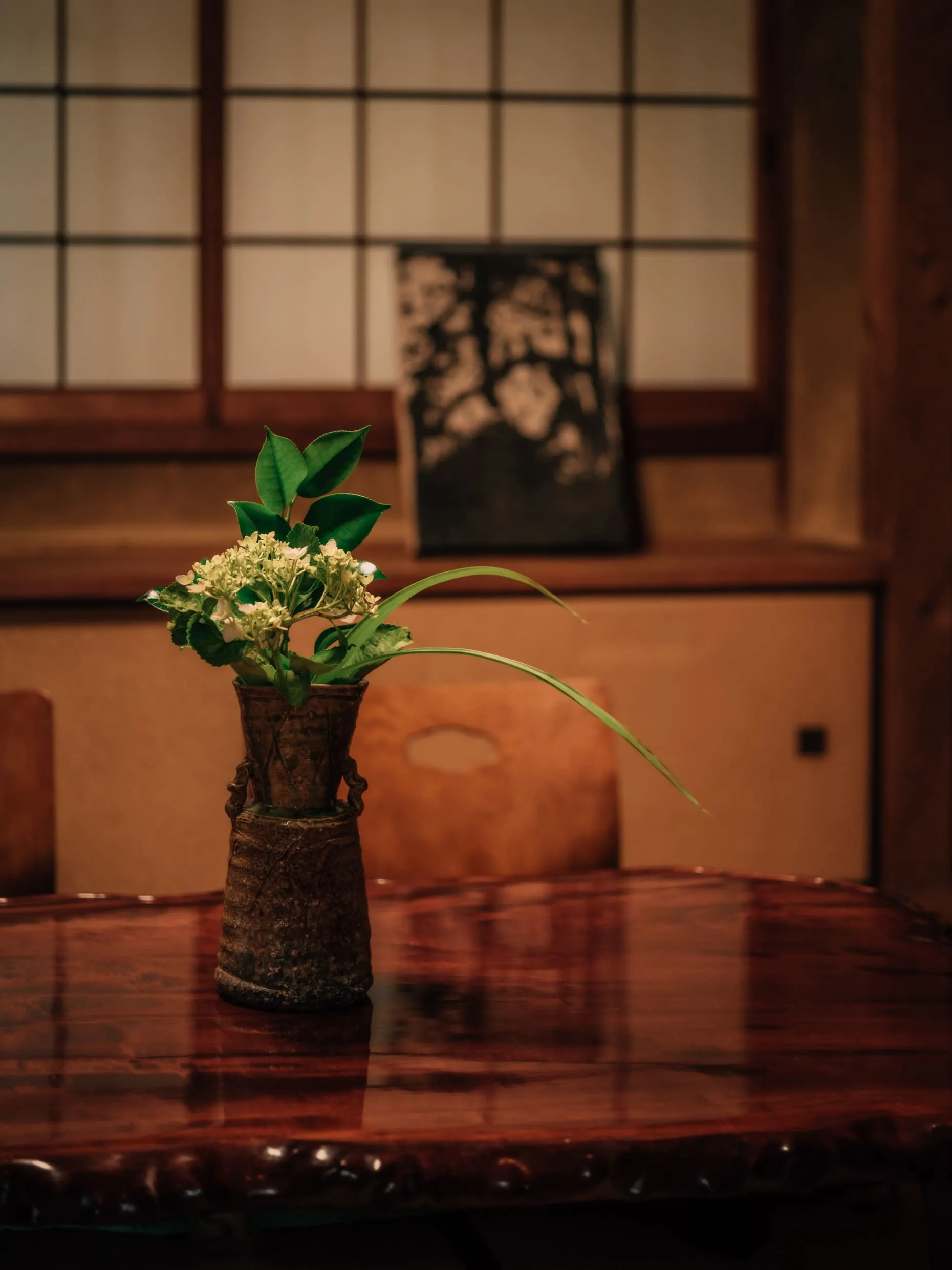
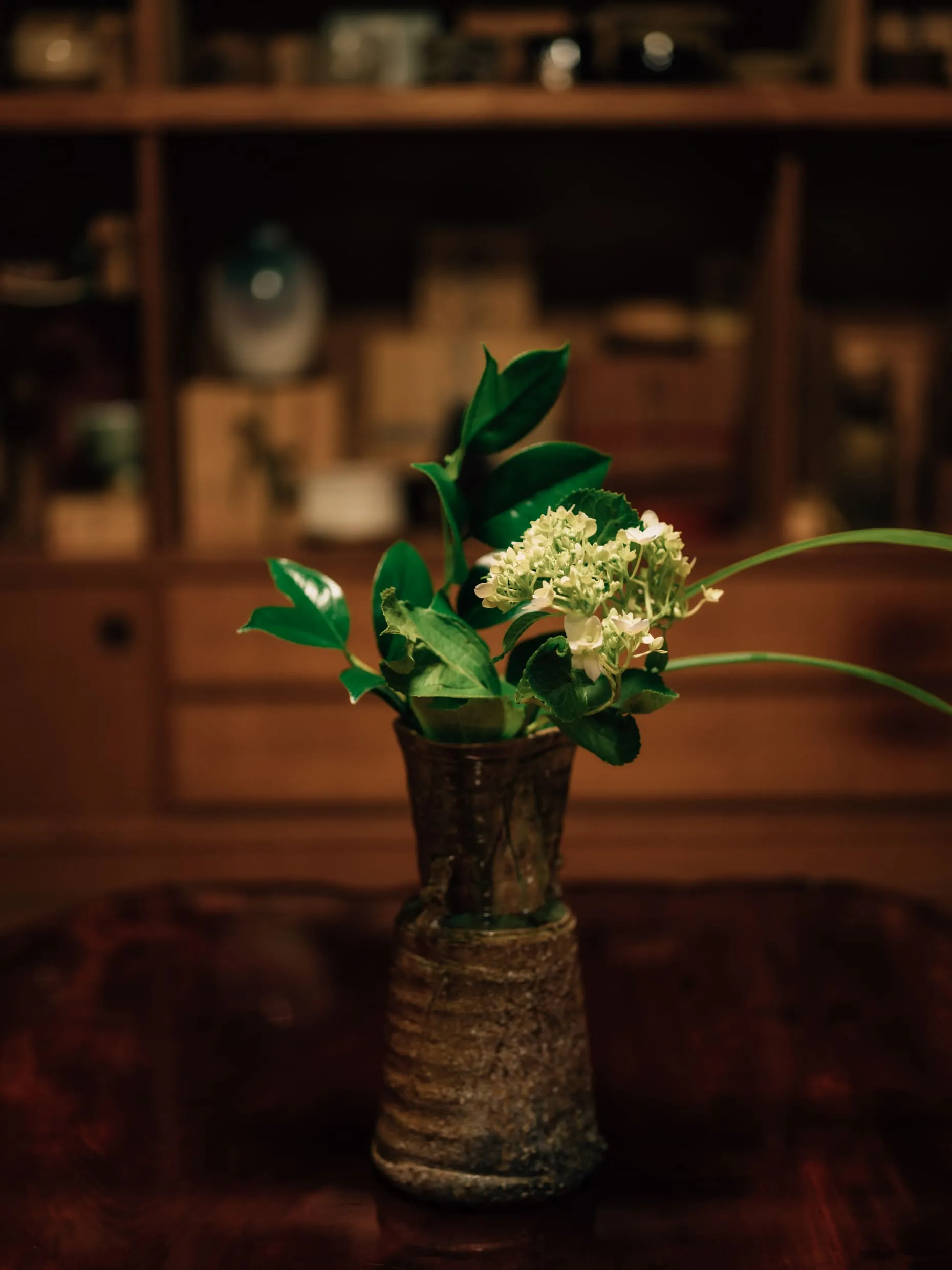
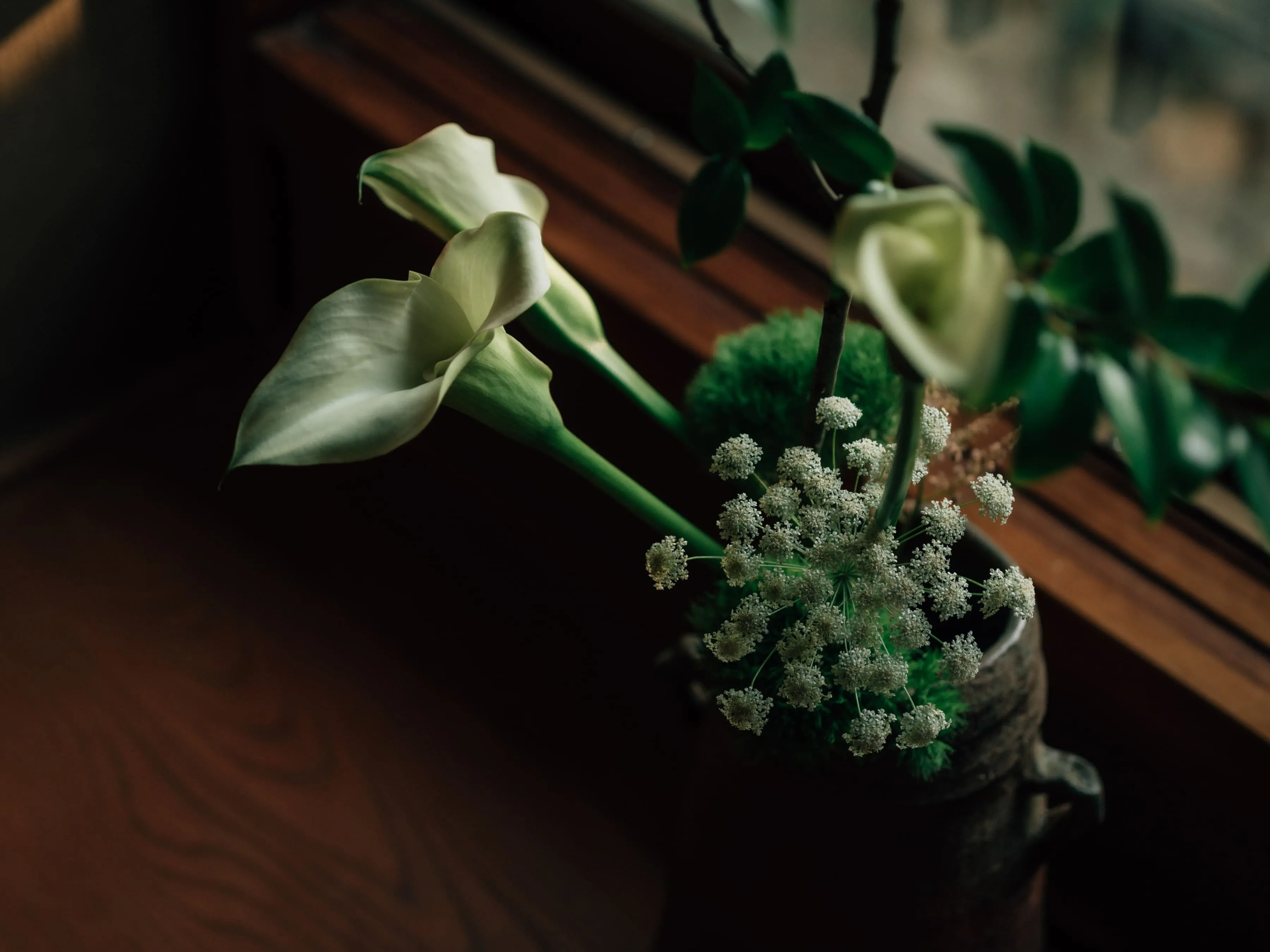
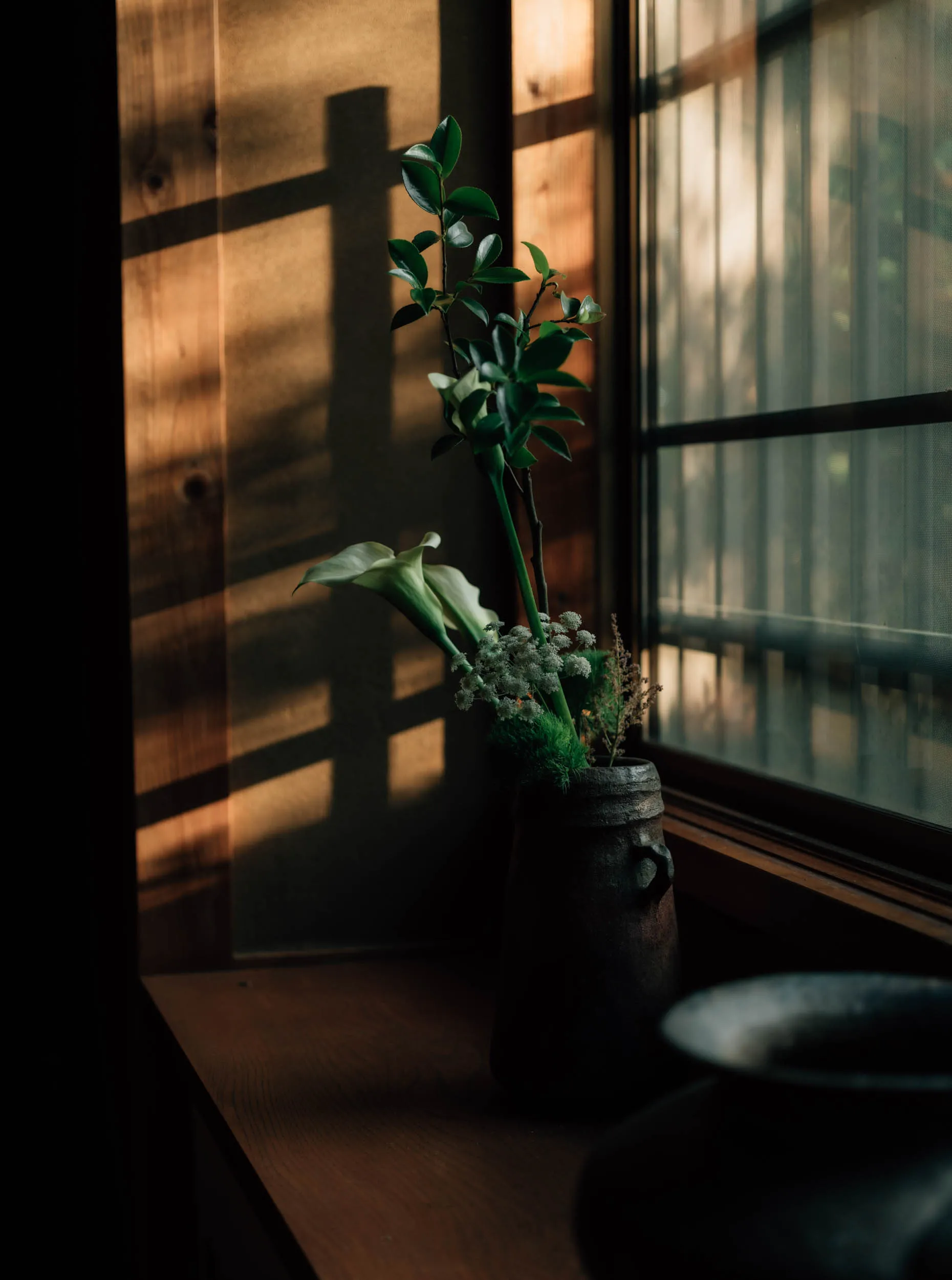
Here is a "shepherd" - a special ikebana for a tea party that embodies the principles of wabi and sabi: restrained beauty and the transience of time. It is a minimalist bouquet of seasonal plants, often with only one flower. Chabana symbolizes the heart of the owner of the tashitsu.

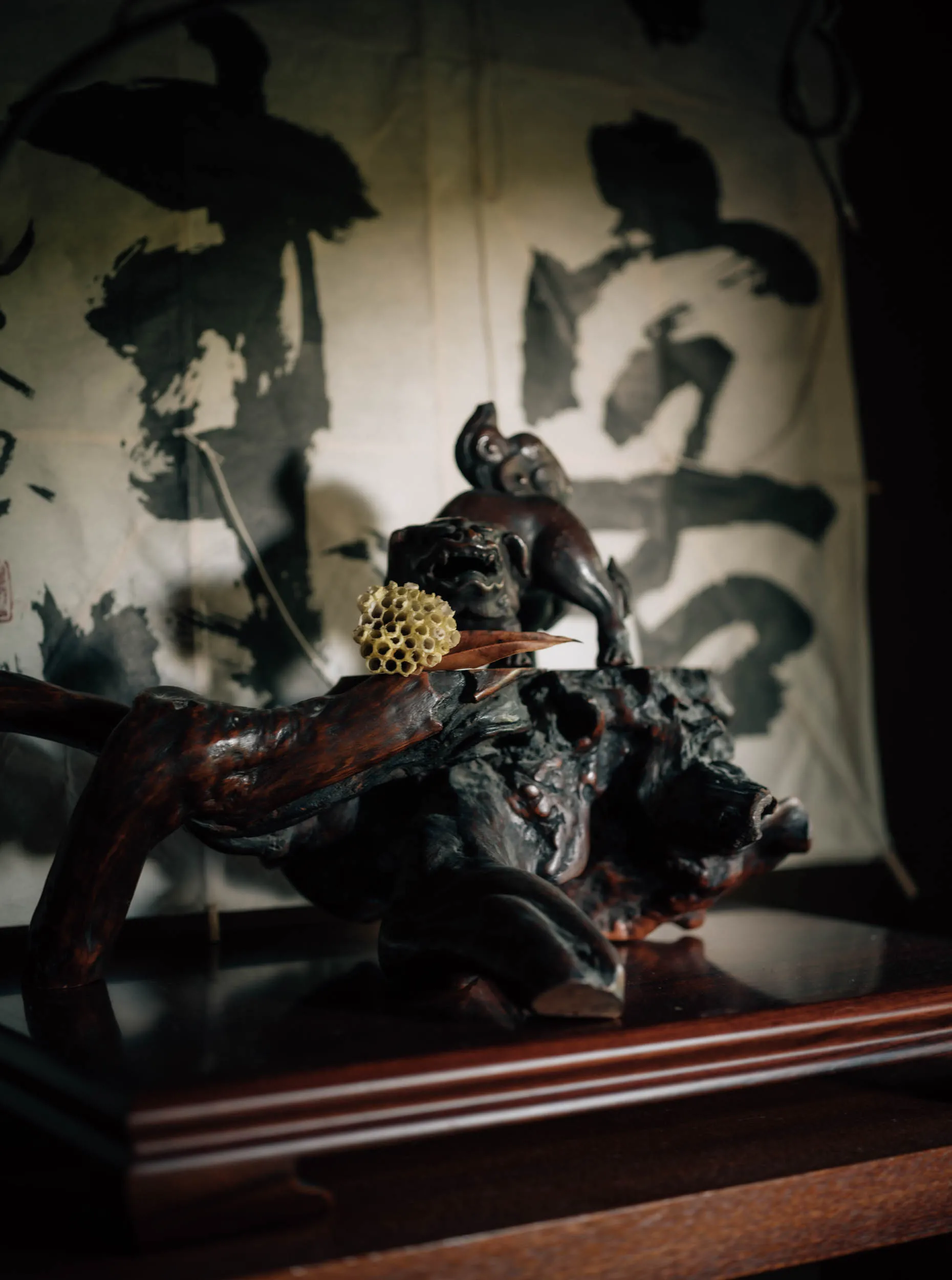
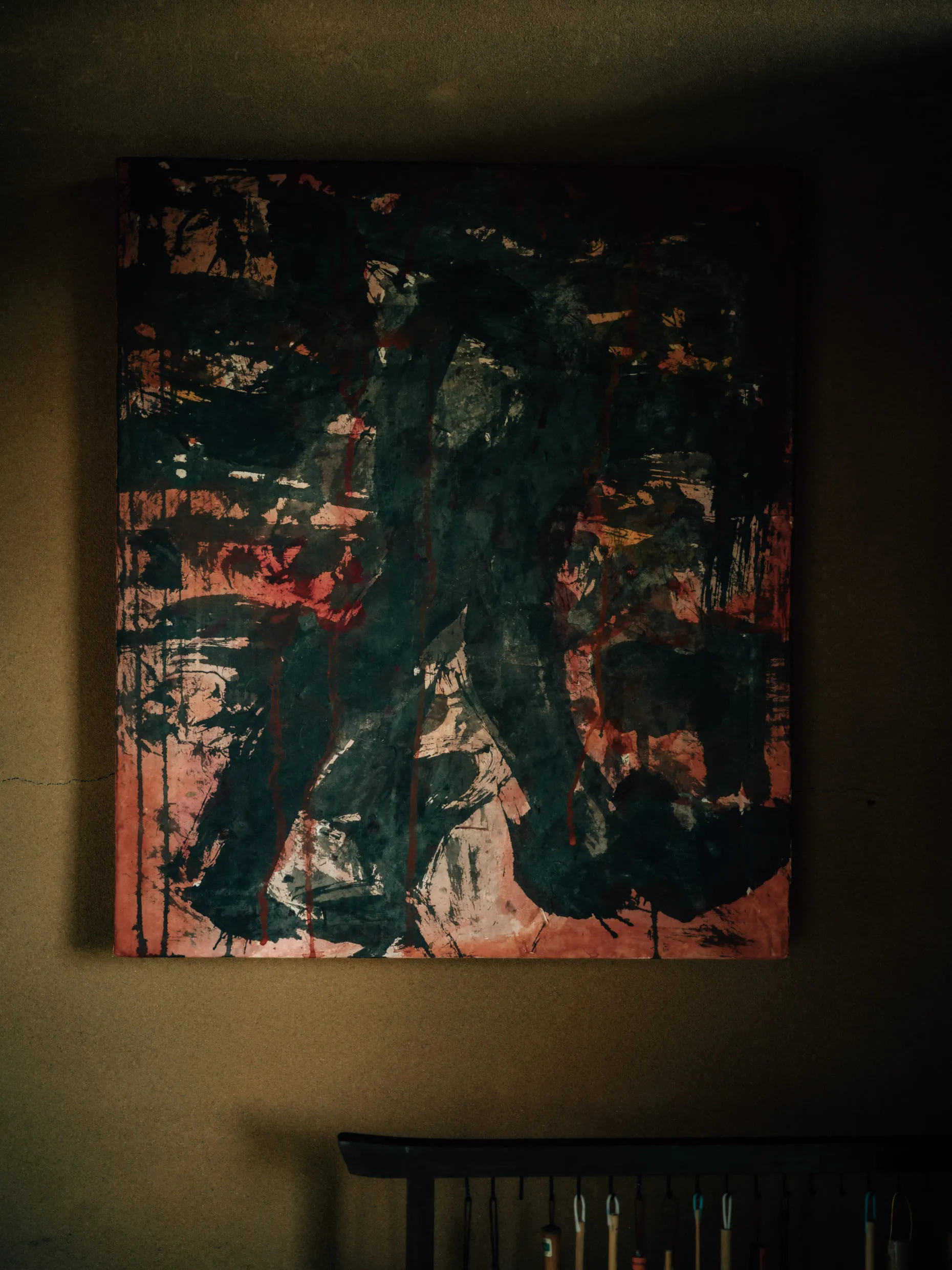
The shepherdess is enveloped in a vase by the great Japanese master Shiro Tsujimura. Above it are scrolls with poetic sayings by calligraphy master Shuho Kondo. While your host is preparing tea, you plunge into the depths of paradoxical Eastern wisdom:

TRUE LIGHT SURPASSES SHINE AND DARKNESS,
BUT CANNOT BE SEEN WITH THE EYES.
TRUE LIGHT IS BEYOND BRIGHT AND DARK

SADO

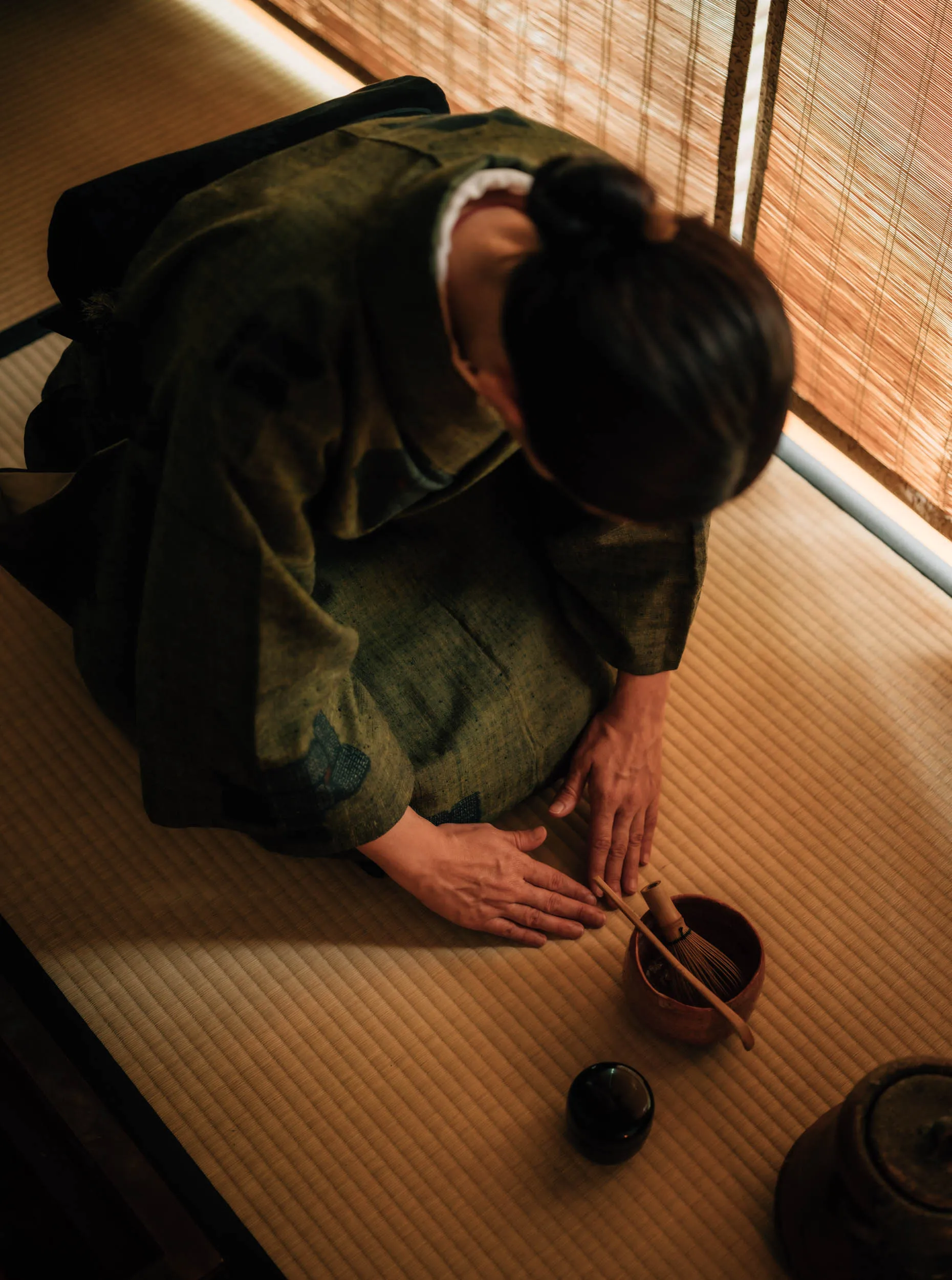
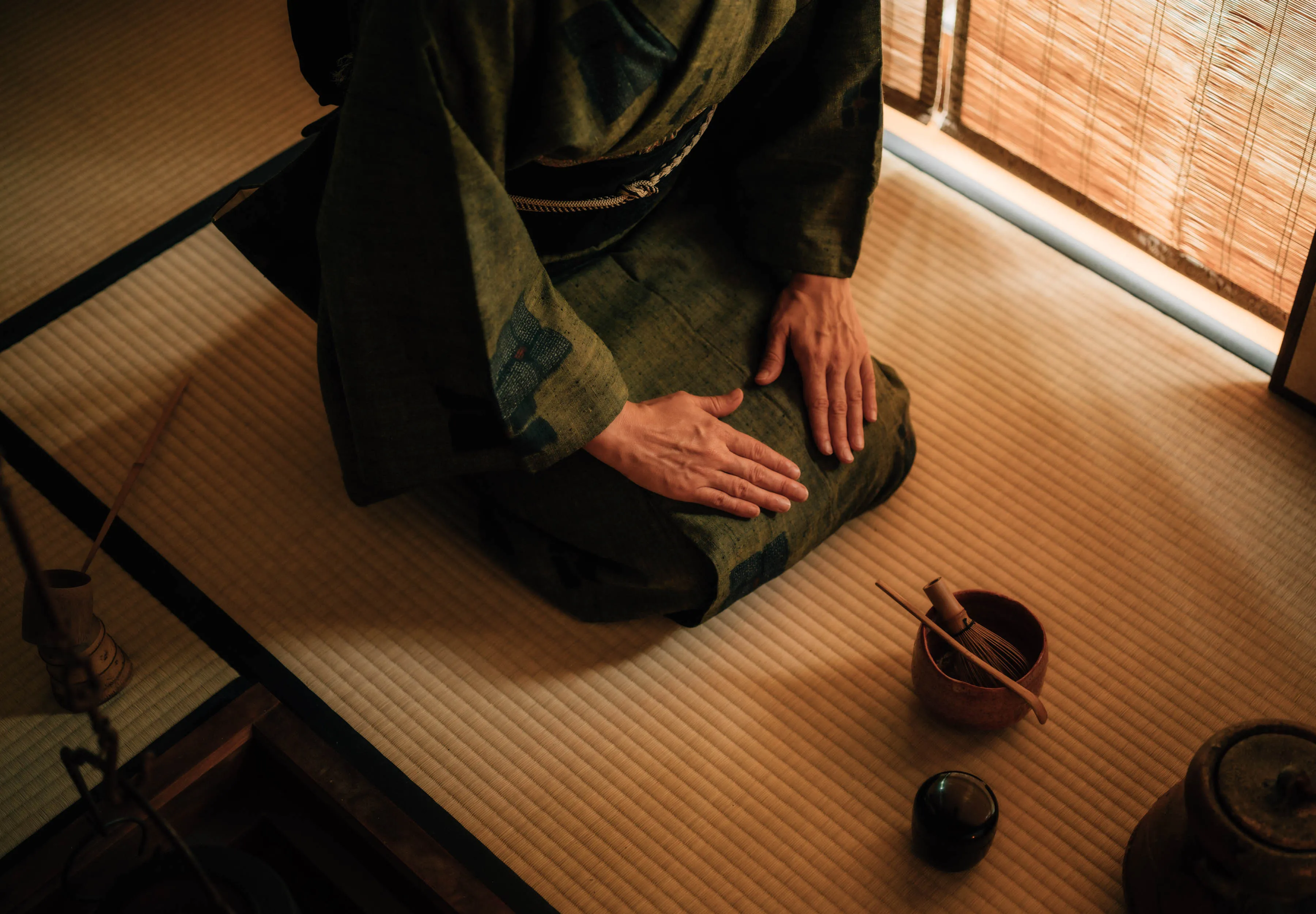
Every movement of the tea master is precise and defined. There are no random steps, gestures, or even breaths. This is not a ceremony, but rather a spiritual experience, like a prayer liturgy. This practice is at once an active meditation, a sensual experience, and the highest form of communication. "The art of tea is the art of life," says the host, and you make a subtle bow of respect.

The Japanese tea ceremony is called "sado," literally "the way of tea." Originating in the 16th century, it is a highly ritualized meditative experience that reflects the principles of harmony, respect, purity, and tranquility. From that time to this day, this action has been the center of the Japanese spiritual life.

CERAMICS

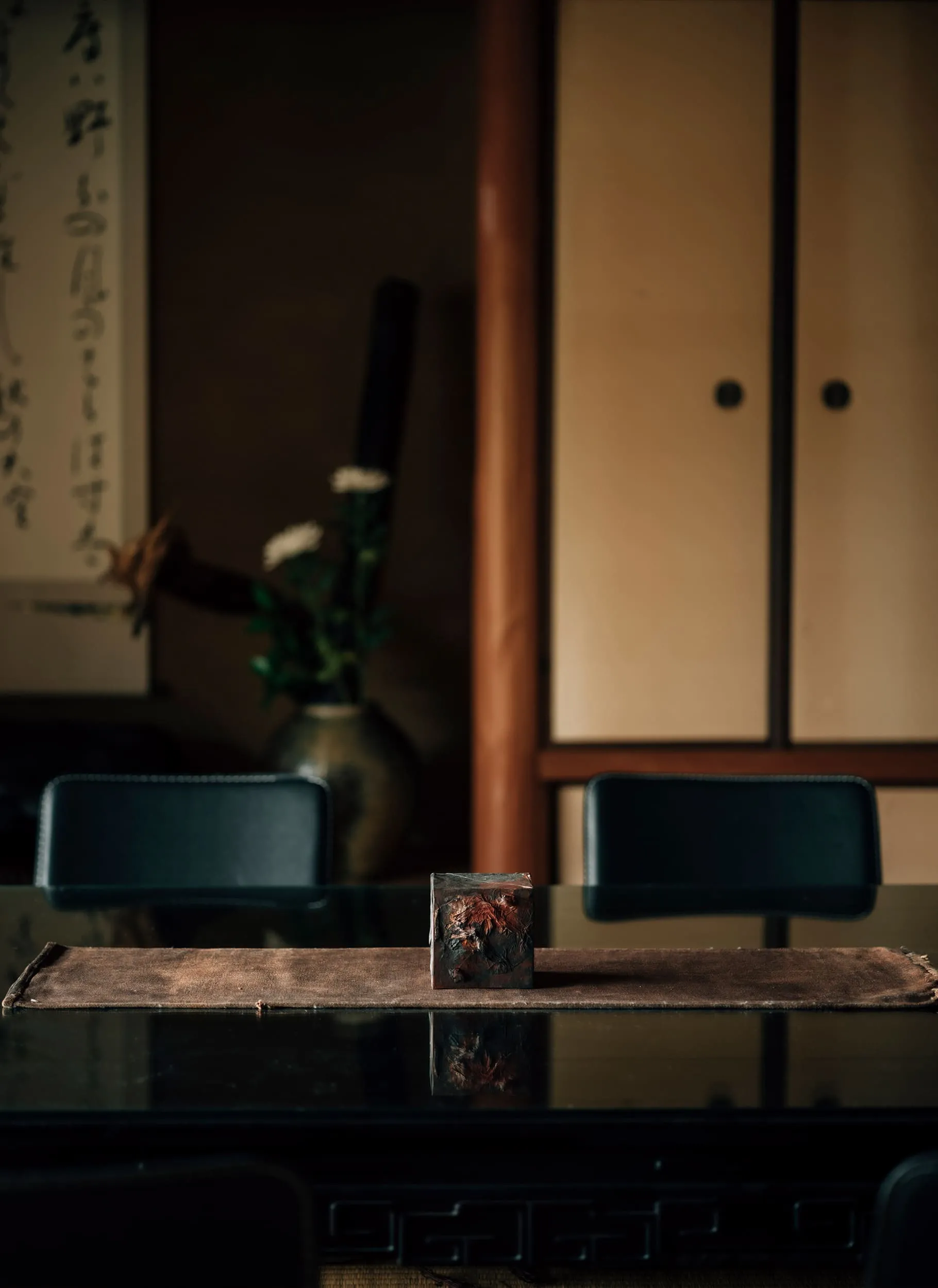
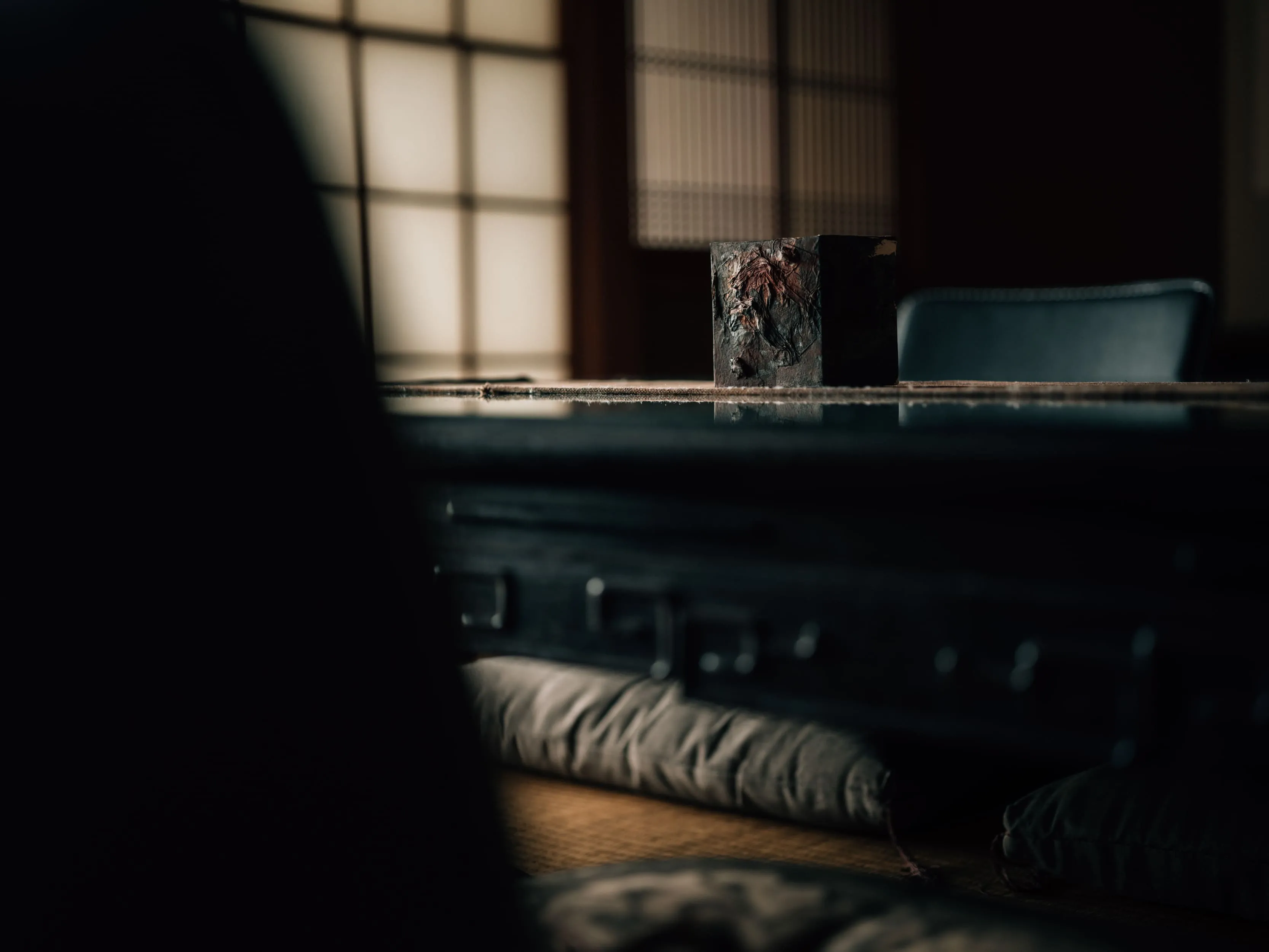
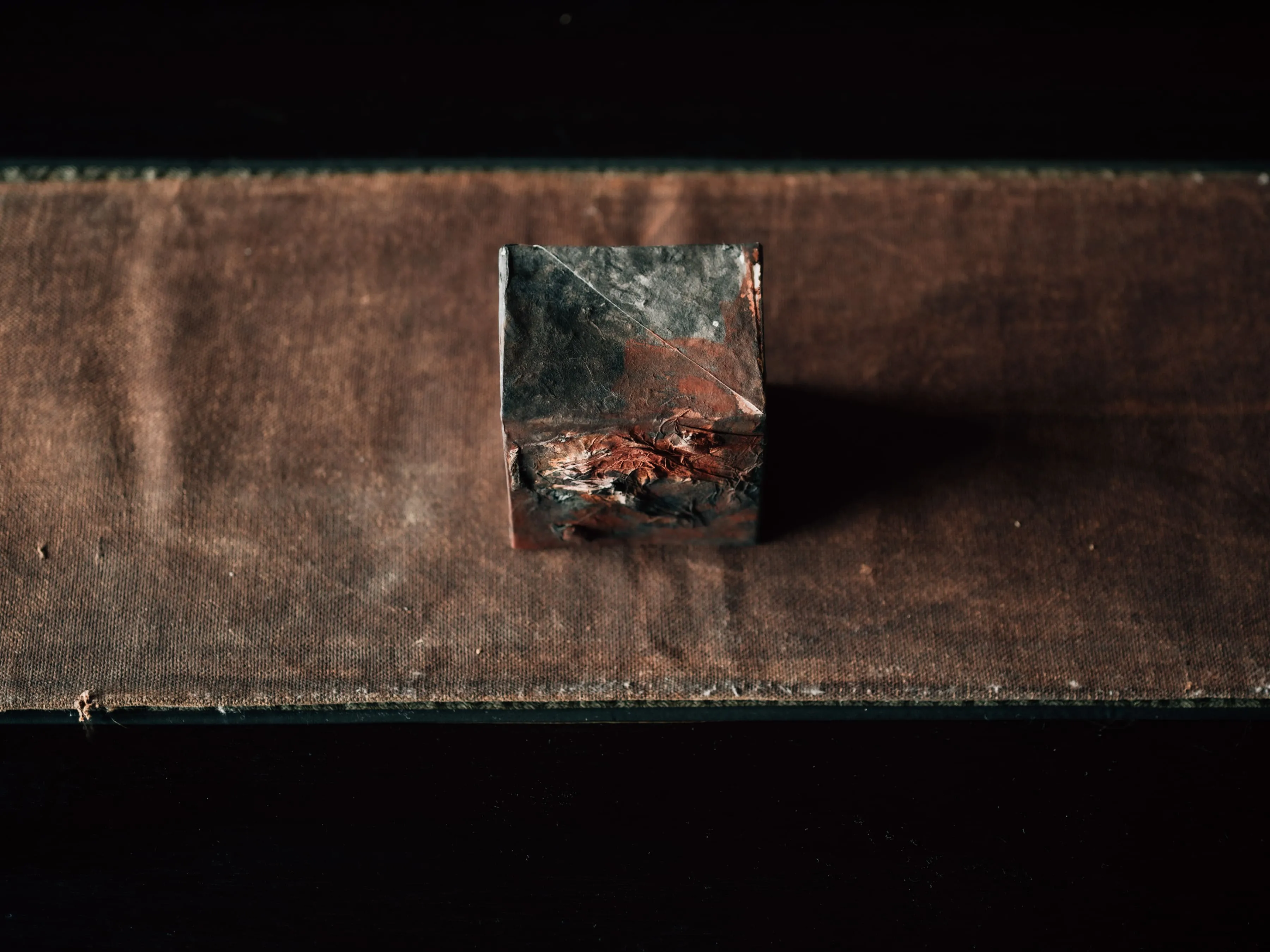
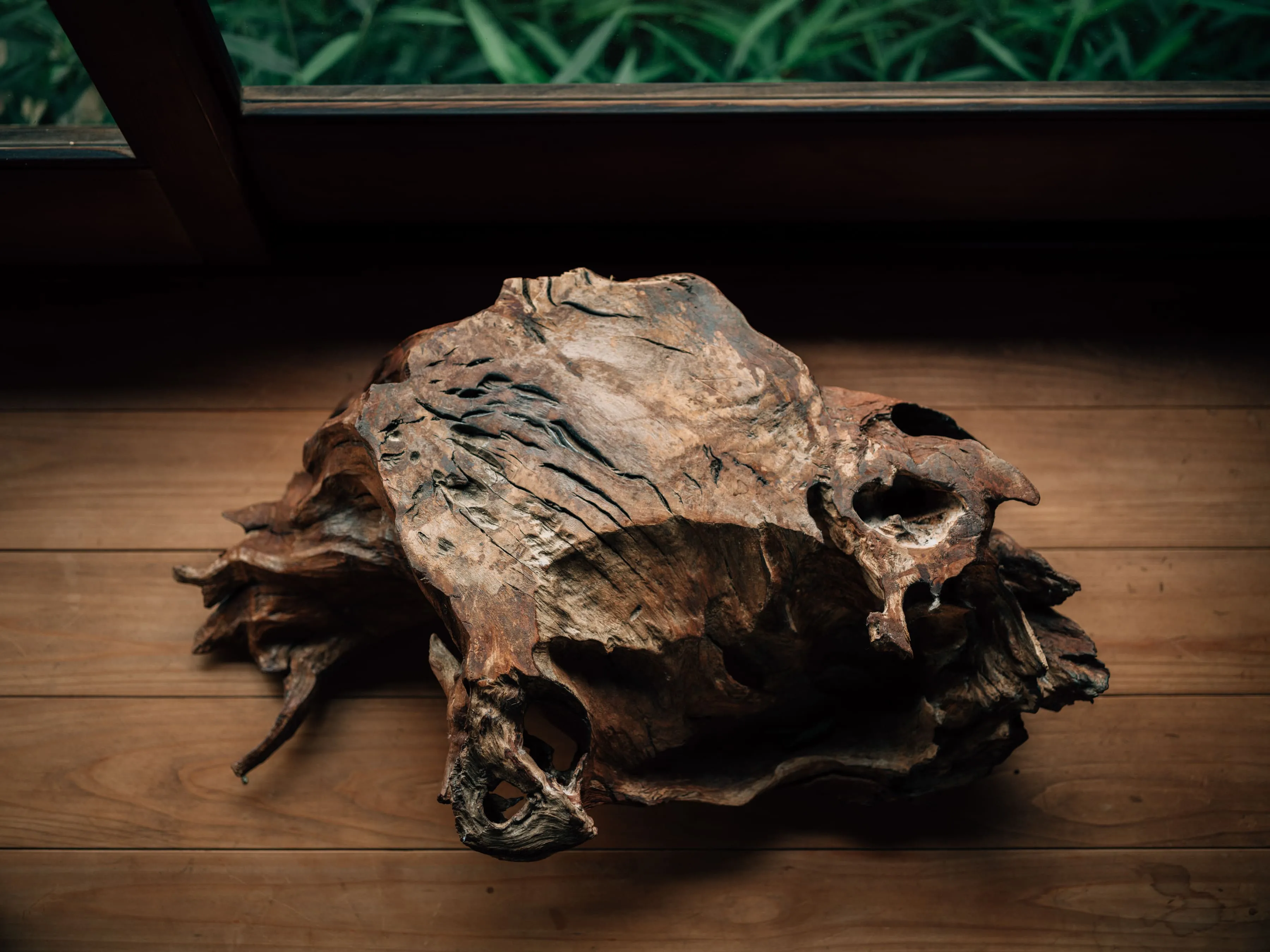
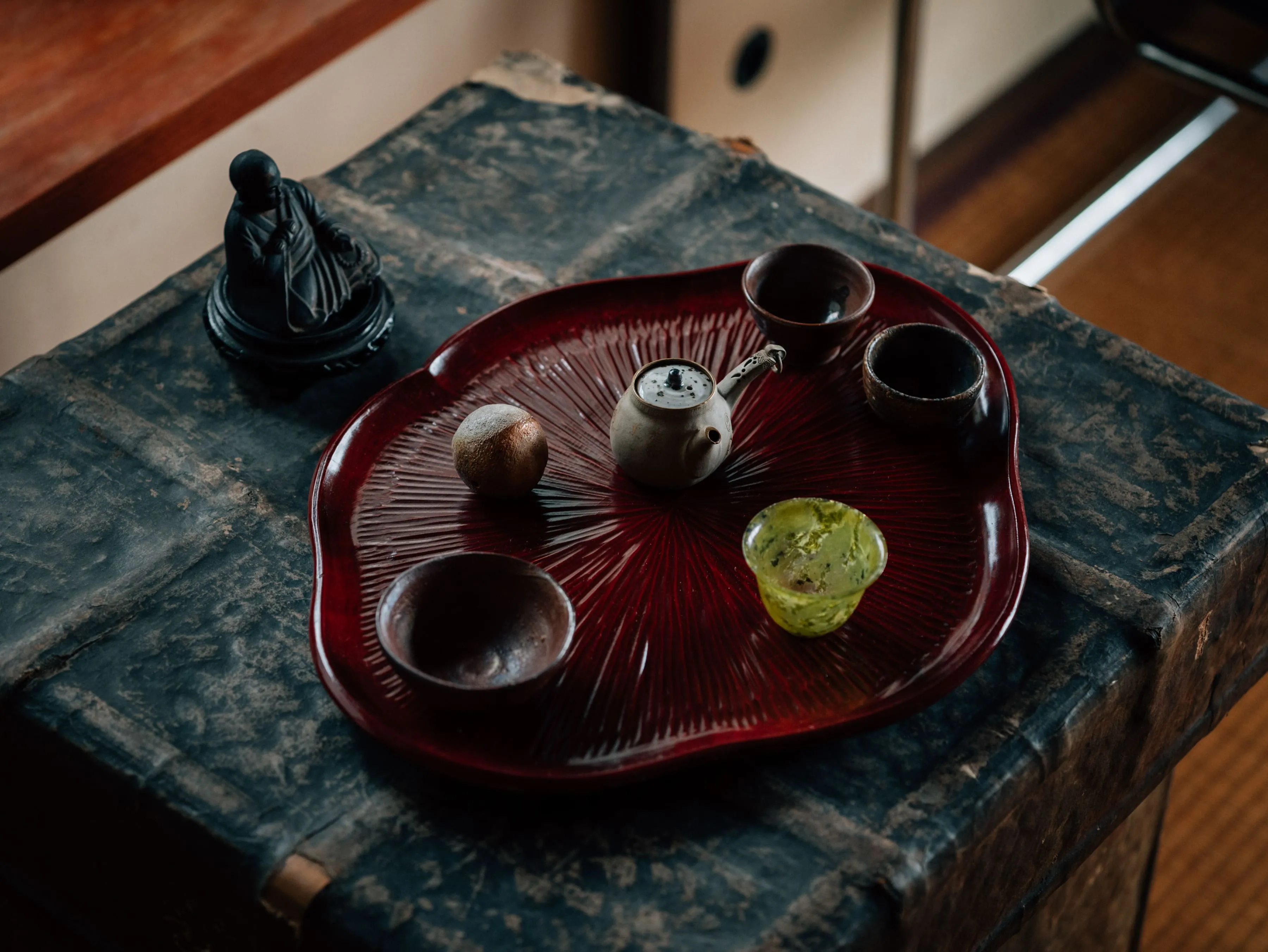
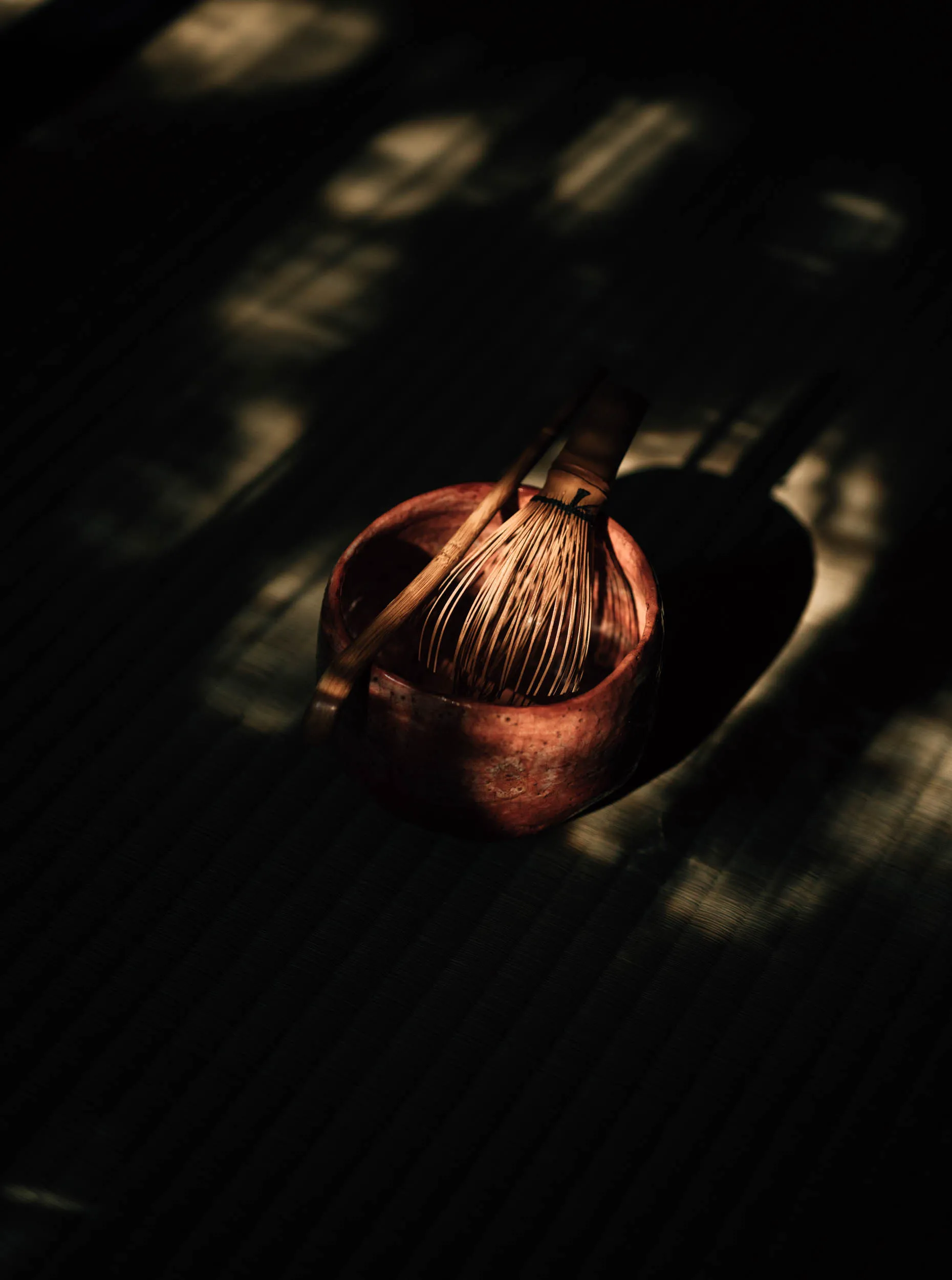
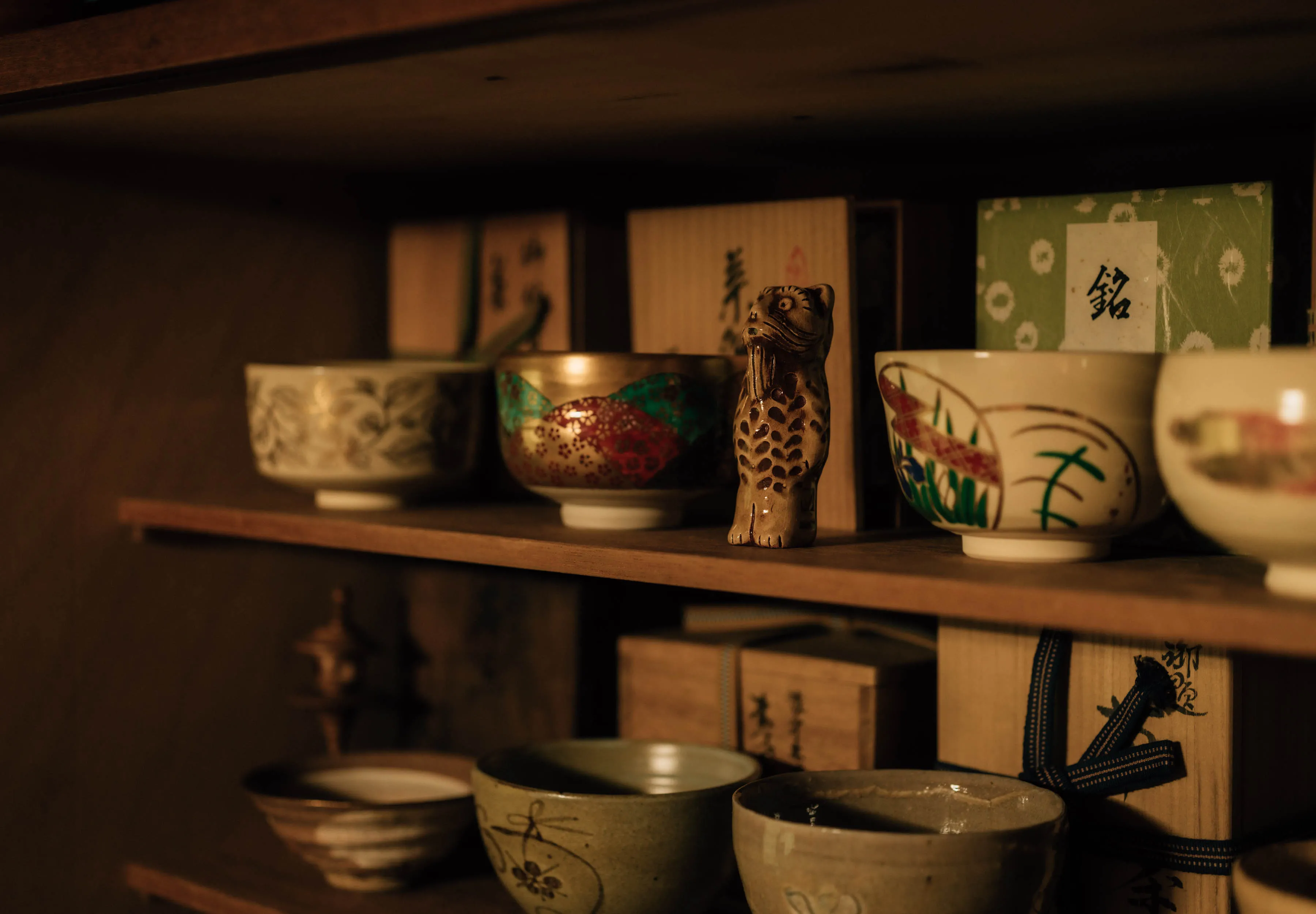
The master guides you through the path of tea, offering the life-giving liquid in a chawan, a traditional tea ceremony cup. The chawan perfectly embodies the principles and aesthetics of wabi-sabi - a handleless ceramic vessel made by hand, often without the use of a potter's wheel; simple and perfect in its imperfection. The older the vase, the more valuable it is. Because the history of an object is its soul.

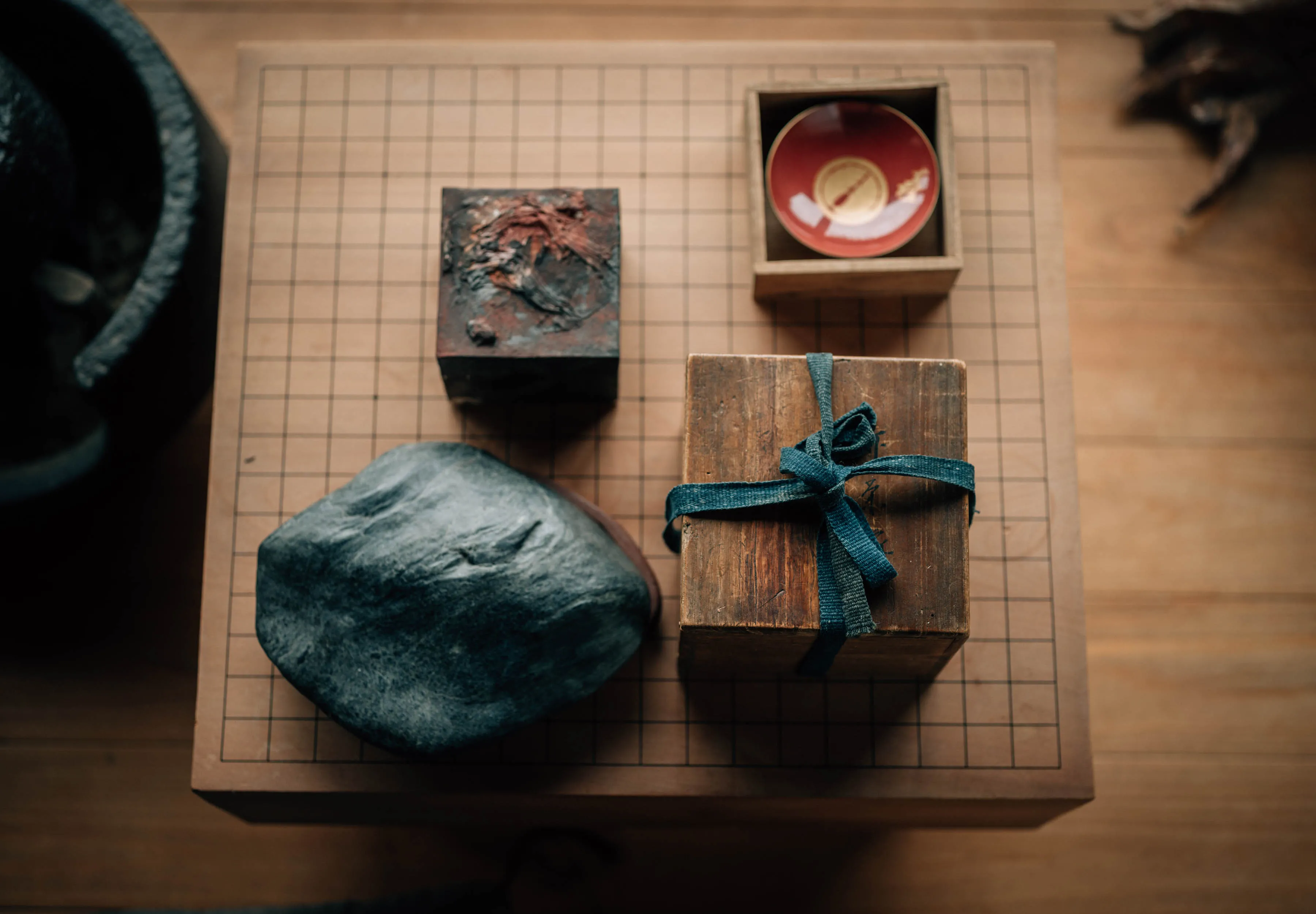
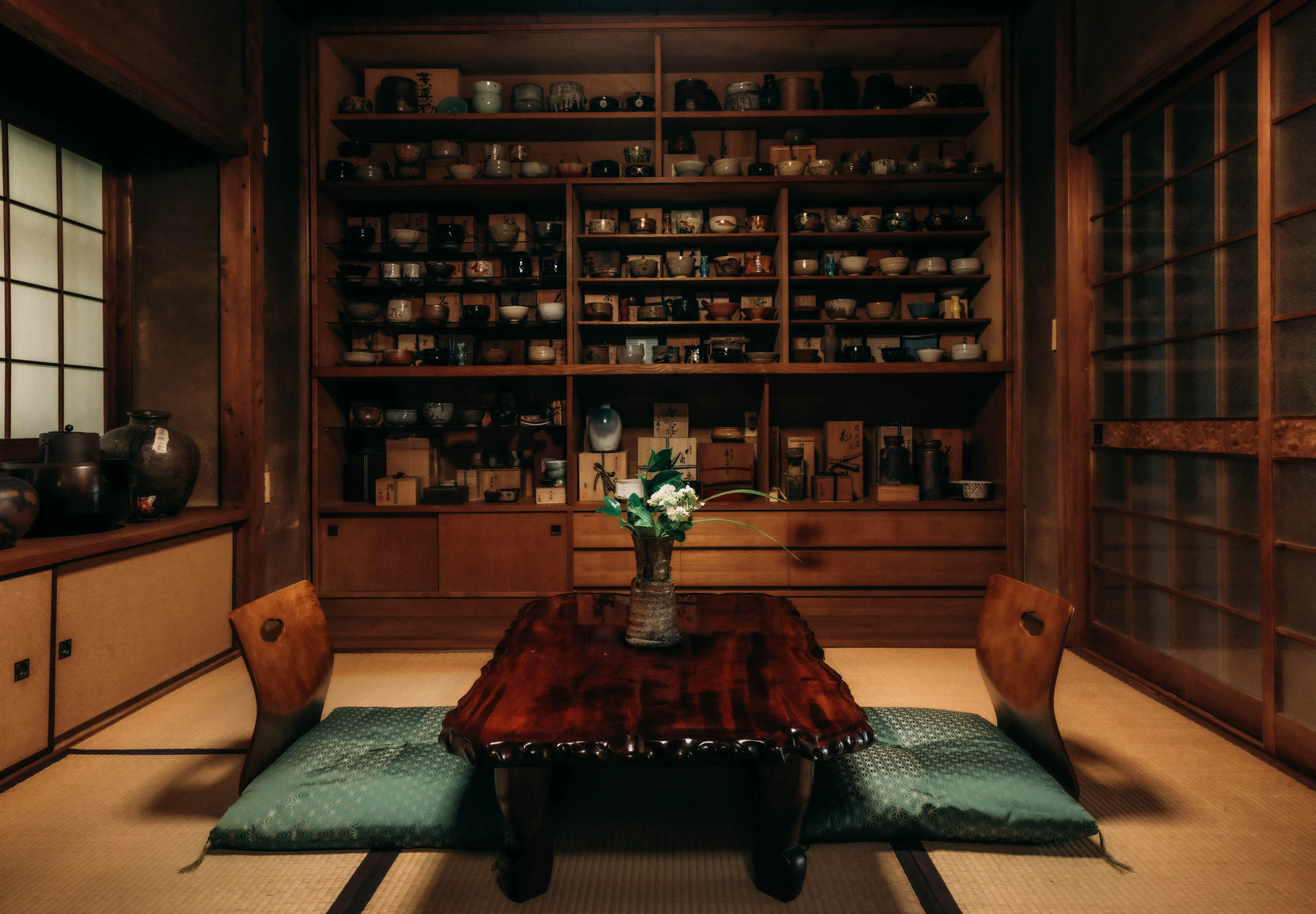
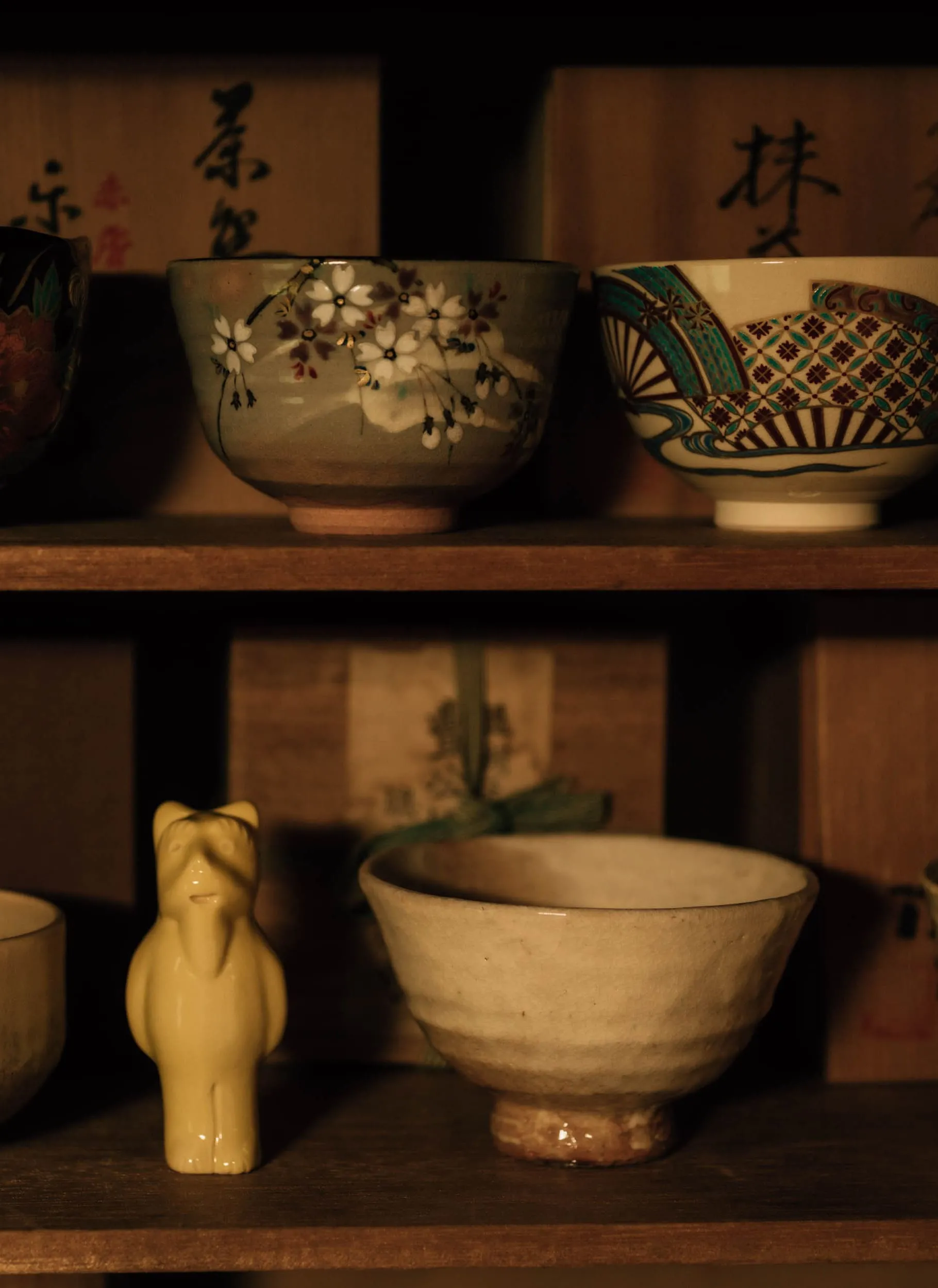
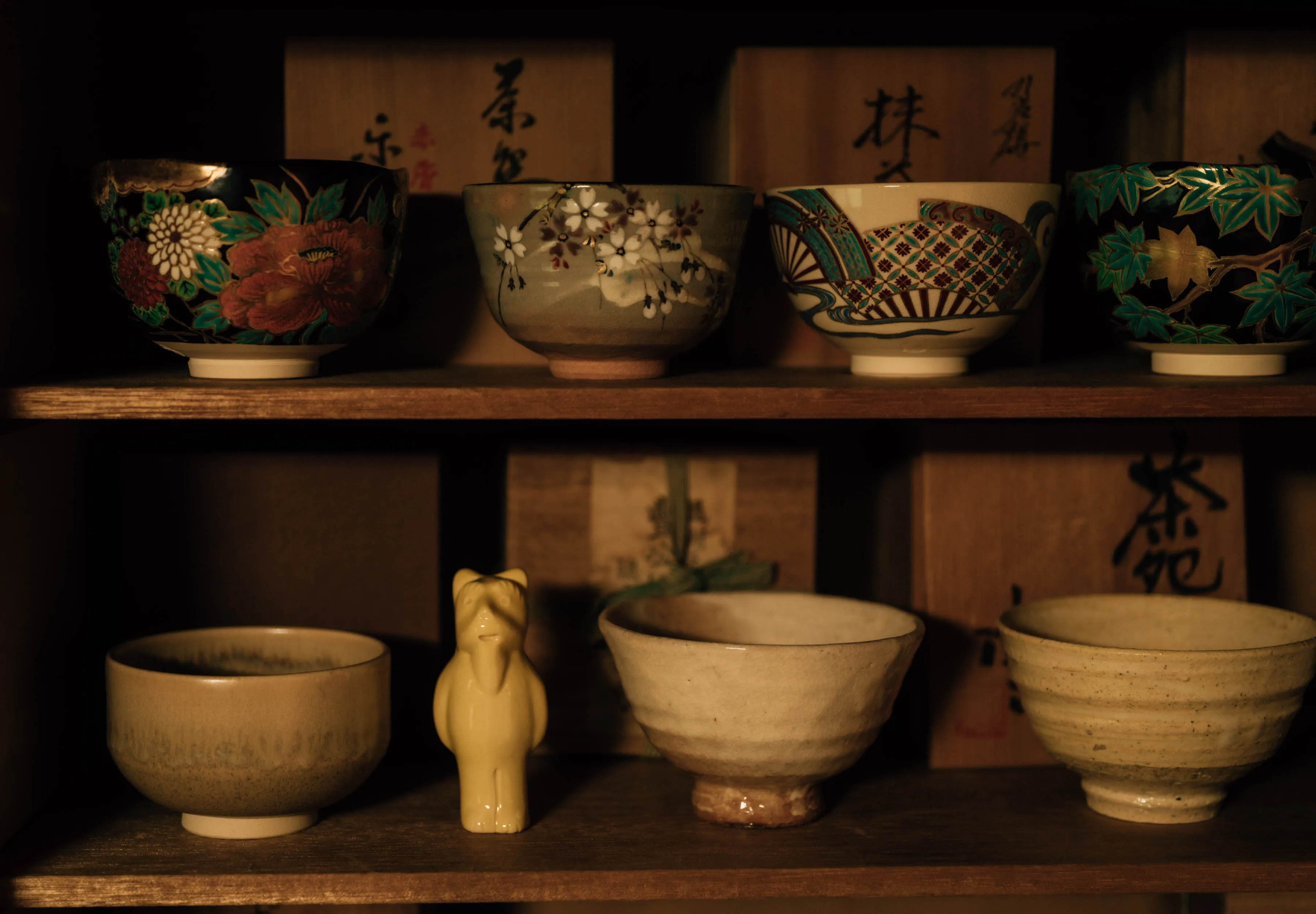
At the end of the tea ceremony, the master shows you his collection of Japanese artistic ceramics of different schools and periods: products by Bidzen, Shigaraki, and others.


The owner tells us that the amazing Bidzen ware comes from the region of the same name in Okayama Prefecture, and it has a special native charm due to its reddish hues and slightly glossy surface texture. Bijen products have been created using authentic firing techniques without the use of glaze for more than five centuries, and it is one of the six oldest ceramic schools in Japan.

Shigaraki ware from Shiga Prefecture is also a prominent tradition. The design of this Japanese ceramics is characterized by a special technique of firing coarse clay in wood-fired kilns, which creates strong, golden-colored vessels with irregularities and a special aroma. These interior items are the epitome of it. Since the 13th century, Shigaraki ware has been associated with tea parties due to its naturalness and aesthetics.

ART

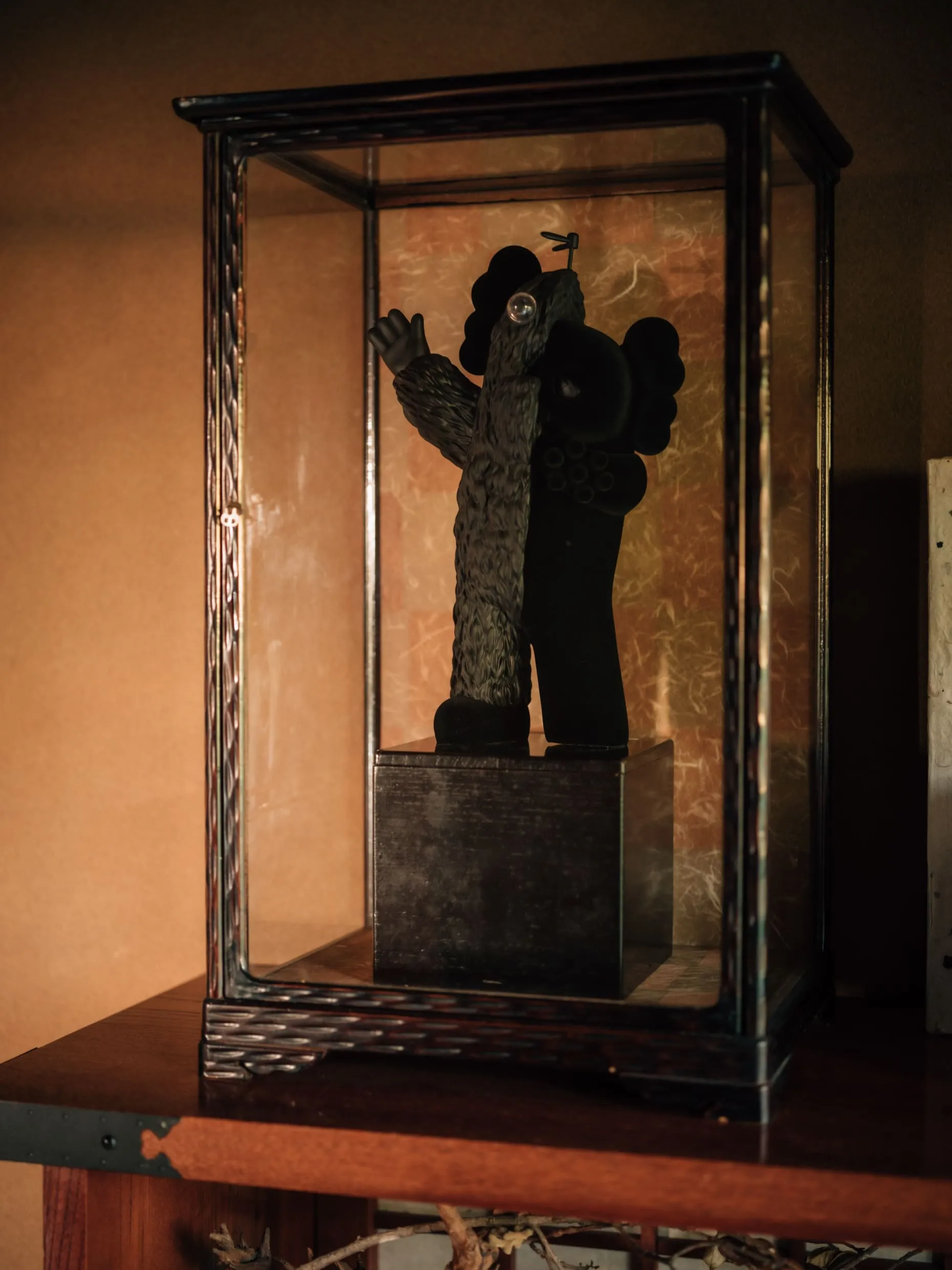
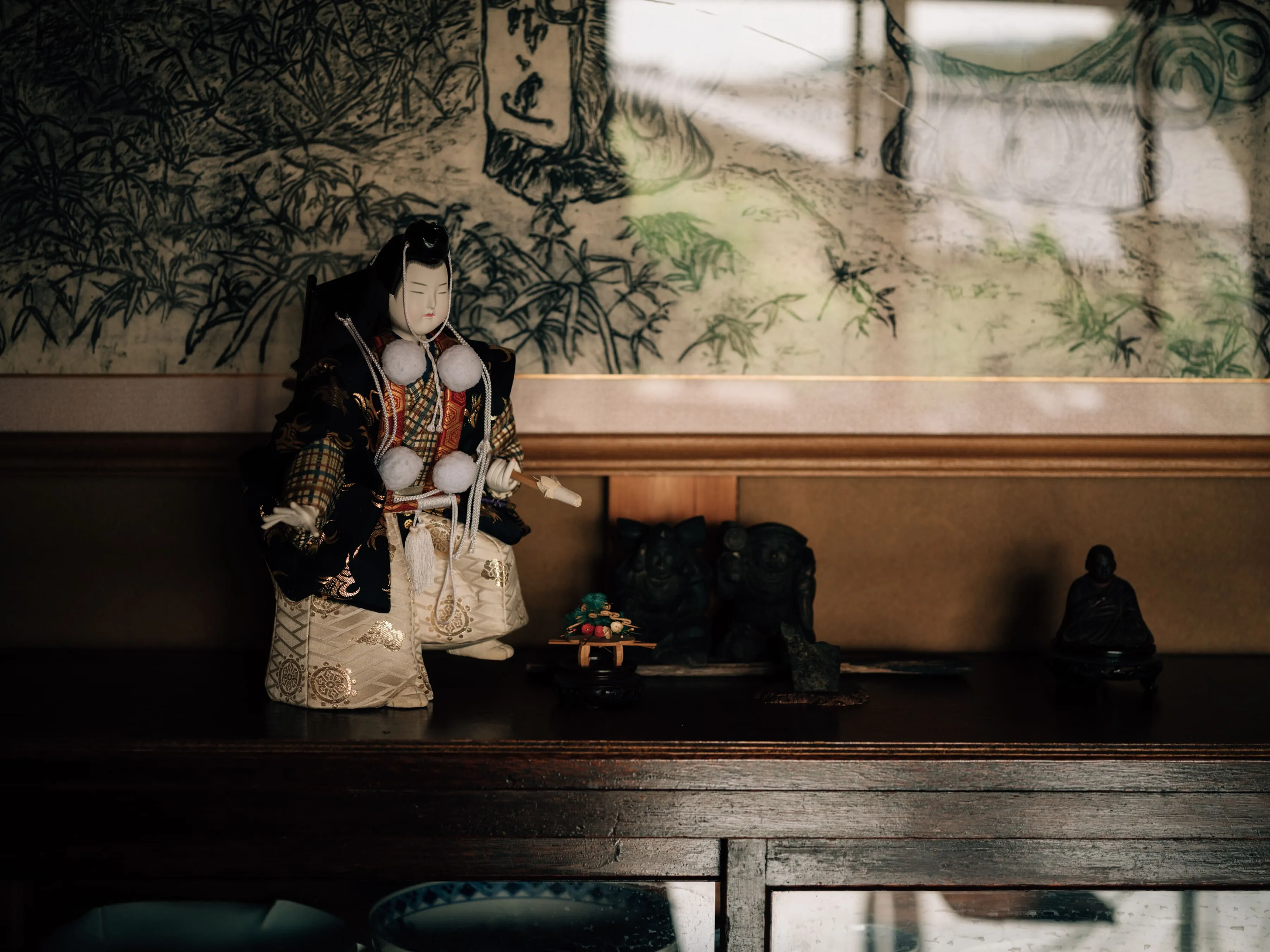
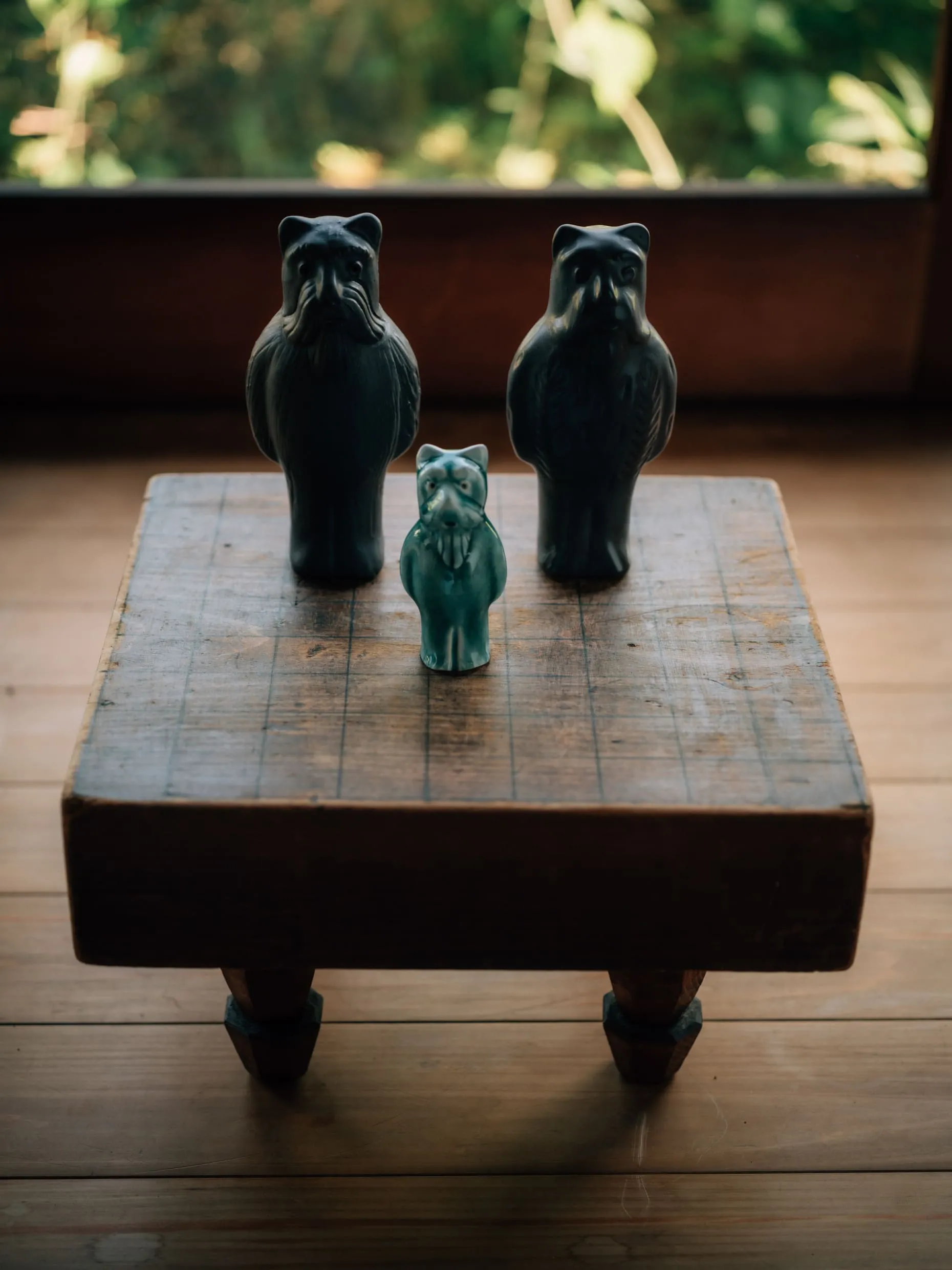
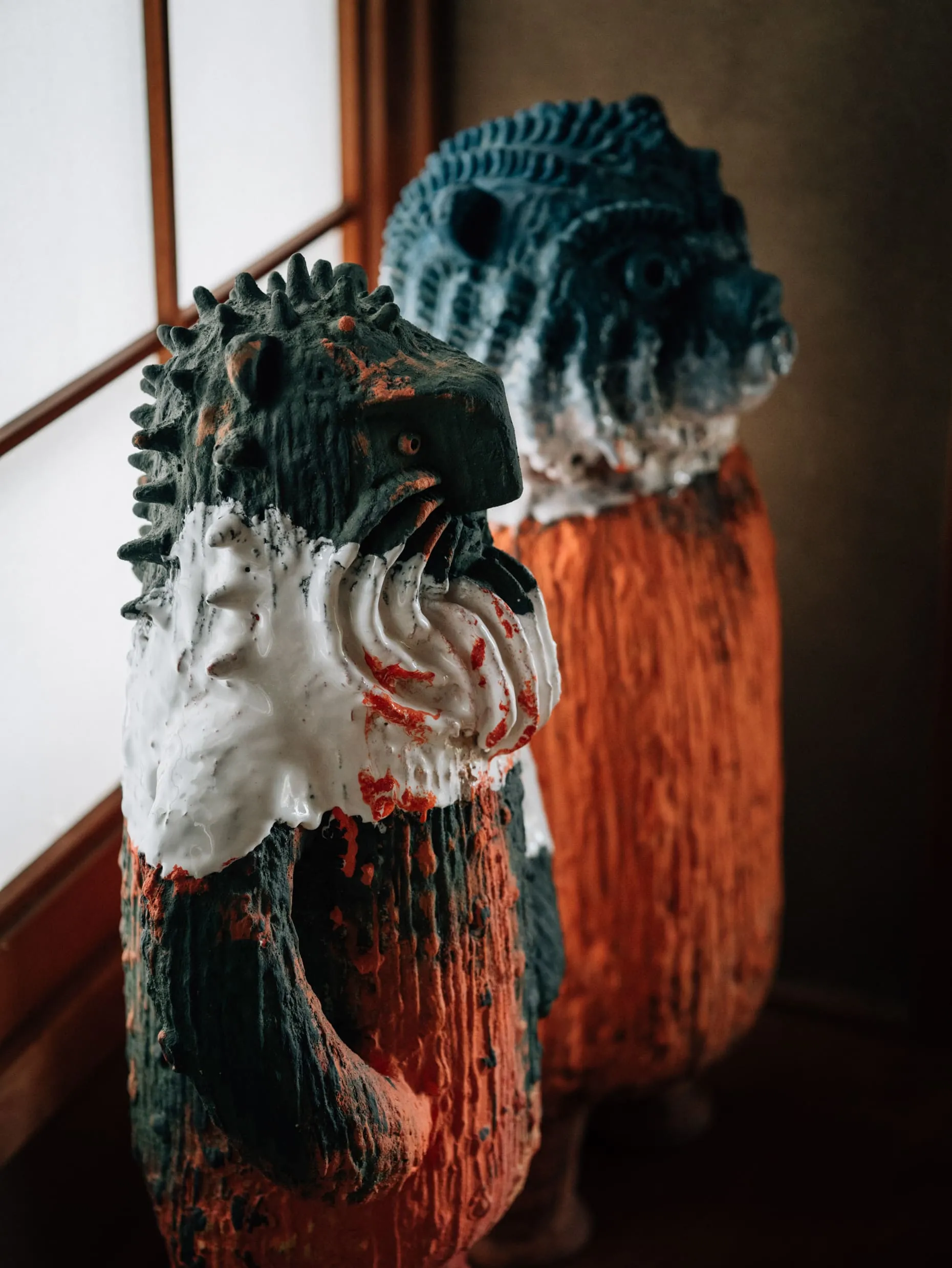
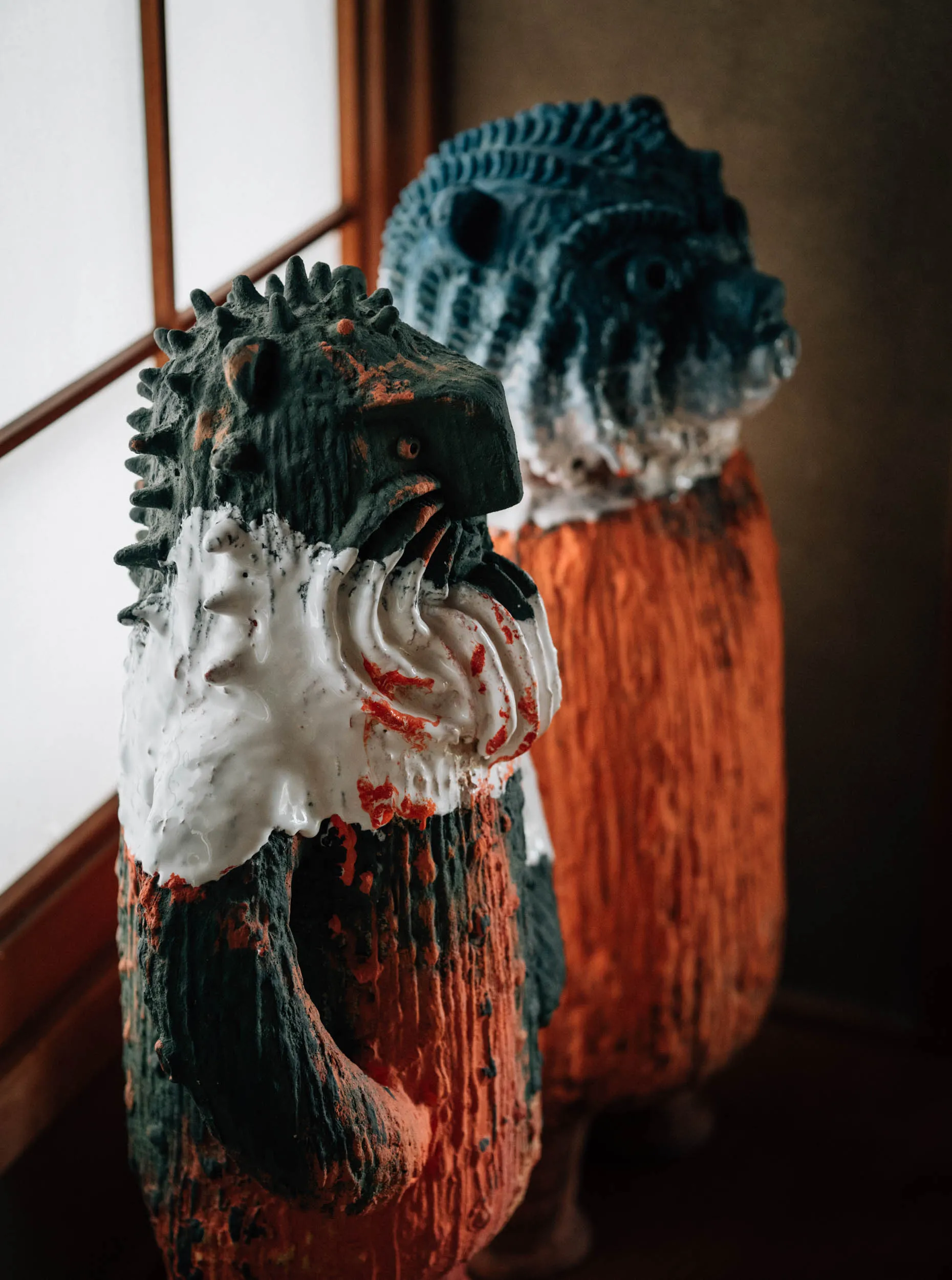
Along with Japanese ceramics, you can also see Ukrainian ceramics. Here's a whole family of DIDOs created by hand by hereditary potters in MAKHNO workshops. Perfect in every detail, they make a great company for the products of the most famous Japanese masters. After all, they continue the traditions of Ukrainian zoomorphic ceramics, which are more than three thousand years old and are now surprising the world.


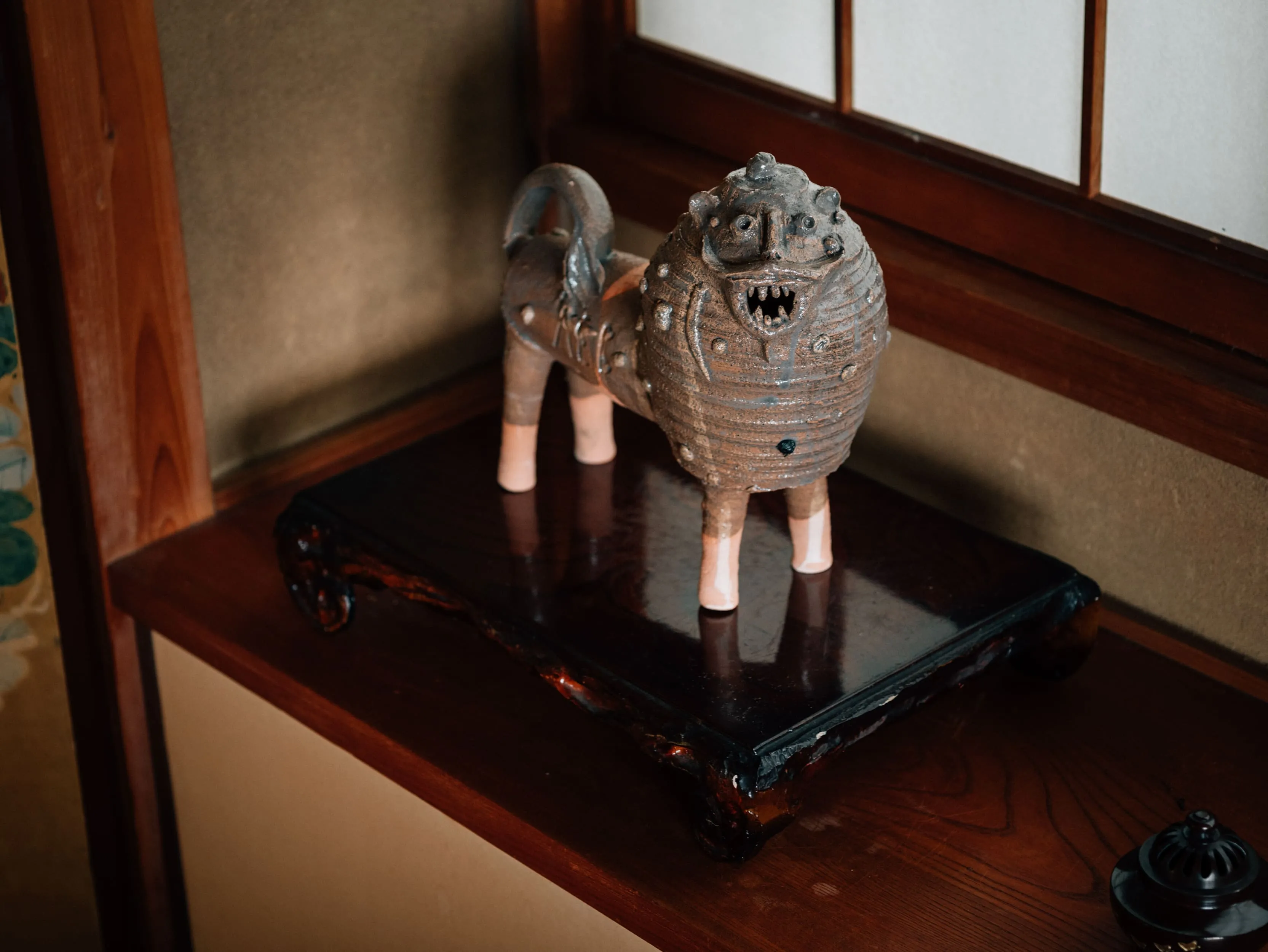
Here you can find a ceramic lion by the famous Ukrainian potter Serhii Radko, plates and earthenware by MAKNO studio master Slavko Odarchenko, paintings by artist Oleksandr Babak, as well as traditional and modern Japanese graphics.

Looking at the diverse and restrainedly exquisite art collection of KYOTO HOUSE, you don't even notice that the house is enveloped in twilight. And while you are admiring the amazingly crafted DIDO, the owner of the house is laying out your futon in preparation for the evening sado.

"IN THE ANCIENT CAPITAL OF JAPAN, IN AN OLD HOUSE,
WE CREATED A MODERN JAPANESE-UKRAINIAN DESIGN.
THIS IS A HOME FOR TEA AND LIFE"

- Serhii Makhno

Questions about Japanese-style home design

WHAT IS INHERENT IN THE JAPANESE INTERIOR?

The Japanese style in the interior of a house is ideal for connoisseurs of simplicity, originality, and minimalism. It is characterized by functionality, elegance, and restraint. Particular attention is paid to the color palette - mainly olive, beige, blue, gray, shades of black and brown, combination of black and white. An important feature of the Japanese style in the interior is the division of the room into functional zones.

image image

Projects

GNIZDO HOUSE

Next project
Next project

image

KYOTO HOUSE

And now the owner of the house in Kyoto expresses his respect to you and invites you to “sado”, a tea performance in his humble home. This experience can be one of the most amazing in your life.

ROJI

image

KYOTO HOUSE

The tea party begins at the entrance to the Kyoto House. There is a small tea garden called “ro-ji”. It is decorated with Japanese ritual stones, bonsai trees, and Ukrainian DIDO art sculptures from the MAKHNO workshop. These good entities protect the house from sad thoughts and uninvited guests.


The meaning of the roji garden is that on your way to the master’s house, you linger and admire for a minute, opening your heart to restrained beauty and your thoughts to poetic images.


And then the door of the house is slightly open. It means that you are expected.

GENKAN

image

KYOTO HOUSE

The entrance hall of a Japanese house is called “genkan,” where you, according to the Zen concept, take off your shoes and leave them turned around until you leave. On the way to the spacious living room, you are greeted by collectible works of Japanese and Ukrainian art, as well as their owner. He respectfully invites you into the room.

SHOIN-ZUKURI

image

KYOTO HOUSE

You enter a spacious, bright room, the center of which is divided by a byobu, a light Japanese screen. The owner explains that the hall is multifunctional: on one side is his office with artwork and a niche for calligraphy tools; on the other is the living room where guests are received. And if they stay overnight, a couple of comfortable futons, traditional Japanese mattresses, are laid out here.

image

KYOTO HOUSE

The owner talks about the interior of a traditional Japanese house in the “shoin-zukuri” or “study style”, which originated from the design of the dwellings of Zen monks and samurai in the fifteenth and sixteenth centuries. It is always recognizable by its characteristic component “shoji” – sliding doors, as well as window and room partitions made of translucent sheets of rice paper in wooden frames. This is the first picture that comes to mind when you think of Japanese style in the interior.

CHASHITSU

image

KYOTO HOUSE

After enjoying a leisurely conversation, the host invites you to the heart of KYOTO HOUSE – the tea room, or “tashitsu”. This room used to serve as a Japanese bedroom, but now it is an authentic tearoom with a wabi-sabi spirit in the interior and all the proper attributes.


Decorated with new tatami and Japanese “vashi” paper, the tashitsu leads you to its center, where the “ro”, a special fire for making tea, is located. It never goes out. Above the ro, you see a hanging teapot, and the owner is skillfully handling it.


The tea performance does not tolerate idle chatter. Therefore, to tune the spirit and soul, and achieve a harmony of balance, the host invites you to immerse yourself in meditation, contemplating the tokonoma..

TOKONOMA

image

KYOTO HOUSE

“Tokonoma” is the most honorable place in a Japanese home, a sign of an aristocratic house. It is a niche in the wall of a tashitsu where objects are placed to guide you on your tea journey.


Here is a “shepherd” – a special ikebana for a tea party that embodies the principles of wabi and sabi: restrained beauty and the transience of time. It is a minimalist bouquet of seasonal plants, often with only one flower. Chabana symbolizes the heart of the owner of the tashitsu.


The shepherdess is enveloped in a vase by the great Japanese master Shiro Tsujimura. Above it are scrolls with poetic sayings by calligraphy master Shuho Kondo. While your host is preparing tea, you plunge into the depths of paradoxical Eastern wisdom:


TRUE LIGHT SURPASSES SHINE AND DARKNESS, BUT CANNOT BE SEEN WITH THE EYES. TRUE LIGHT IS BEYOND BRIGHT AND DARK

TRUE LIGHT SURPASSES SHINE AND DARKNESS,
BUT CANNOT BE SEEN WITH THE EYES.
TRUE LIGHT IS BEYOND BRIGHT AND DARK

image

KYOTO HOUSE

SADO

image

KYOTO HOUSE

Every movement of the tea master is precise and defined. There are no random steps, gestures, or even breaths. This is not a ceremony, but rather a spiritual experience, like a prayer liturgy. This practice is at once an active meditation, a sensual experience, and the highest form of communication. “The art of tea is the art of life,” says the host, and you make a subtle bow of respect.

The Japanese tea ceremony is called “sado,” literally “the way of tea.” Originating in the 16th century, it is a highly ritualized meditative experience that reflects the principles of harmony, respect, purity, and tranquility. From that time to this day, this action has been the center of the Japanese spiritual life.

CERAMICS

image

KYOTO HOUSE

The master guides you through the path of tea, offering the life-giving liquid in a chawan, a traditional tea ceremony cup. The chawan perfectly embodies the principles and aesthetics of wabi-sabi – a handleless ceramic vessel made by hand, often without the use of a potter’s wheel; simple and perfect in its imperfection. The older the vase, the more valuable it is. Because the history of an object is its soul.


At the end of the tea ceremony, the master shows you his collection of Japanese artistic ceramics of different schools and periods: products by Bidzen, Shigaraki, and others.


image

KYOTO HOUSE

The owner tells us that the amazing Bidzen ware comes from the region of the same name in Okayama Prefecture, and it has a special native charm due to its reddish hues and slightly glossy surface texture. Bijen products have been created using authentic firing techniques without the use of glaze for more than five centuries, and it is one of the six oldest ceramic schools in Japan.


Shigaraki ware from Shiga Prefecture is also a prominent tradition. The design of this Japanese ceramics is characterized by a special technique of firing coarse clay in wood-fired kilns, which creates strong, golden-colored vessels with irregularities and a special aroma. These interior items are the epitome of it. Since the 13th century, Shigaraki ware has been associated with tea parties due to its naturalness and aesthetics.

ART

image

KYOTO HOUSE

Along with Japanese ceramics, you can also see Ukrainian ceramics. Here’s a whole family of DIDOs created by hand by hereditary potters in MAKHNO workshops. Perfect in every detail, they make a great company for the products of the most famous Japanese masters. After all, they continue the traditions of Ukrainian zoomorphic ceramics, which are more than three thousand years old and are now surprising the world.


image

KYOTO HOUSE

Here you can find a ceramic lion by the famous Ukrainian potter Serhii Radko, plates and earthenware by MAKNO studio master Slavko Odarchenko, paintings by artist Oleksandr Babak, as well as traditional and modern Japanese graphics.

Looking at the diverse and restrainedly exquisite art collection of KYOTO HOUSE, you don’t even notice that the house is enveloped in twilight. And while you are admiring the amazingly crafted DIDO, the owner of the house is laying out your futon in preparation for the evening sado.

"IN THE ANCIENT CAPITAL OF JAPAN, IN AN OLD HOUSE,
WE CREATED A MODERN JAPANESE-UKRAINIAN DESIGN.
THIS IS A HOME FOR TEA AND LIFE"

image

KYOTO HOUSE

– Serhii Makhno

Questions about Japanese-style home design

image

KYOTO HOUSE

WHAT IS INHERENT IN THE JAPANESE INTERIOR?

The Japanese style in the interior of a house is ideal for connoisseurs of simplicity, originality, and minimalism. It is characterized by functionality, elegance, and restraint. Particular attention is paid to the color palette – mainly olive, beige, blue, gray, shades of black and brown, combination of black and white. An important feature of the Japanese style in the interior is the division of the room into functional zones.

WHAT IS NOT TYPICAL FOR JAPANESE DESIGN?

Concept Japanese-style interior design does not involve the use of artificial or disposable items or plastic. Things should be functional and embody a piece of the owner’s soul, and create a comfortable space. Modern appliances are disguised with niches, screens, or drawers. Such an interior does not have to be perfect; on the contrary, it is an opportunity to see beauty in imperfections and flaws.

HOW MUCH DOES IT COST TO BUILD A JAPANESE-STYLE HOUSE?

The cost of building a house with a modern Japanese interior style depends on the size of the house, geographical features of the region, energy efficiency requirements, materials used, and many other factors. Leave a request with your contact information and our specialists will contact you and calculate the detailed cost of construction and create a design.

WHAT IS THE WABI-SABI STYLE?

The wabi-sabi style in the interior contains two characteristic features – in-tune nature and simplicity. It is about minimalism, inner strength, and authenticity. This Japanese concept in the interior creates calming and involves the use of natural materials typical of the region in which the home is located. Part of Japanese culture is furniture with minimal decor, textiles made from natural materials, asymmetry in the arrangement of objects, and decoration.

Drag