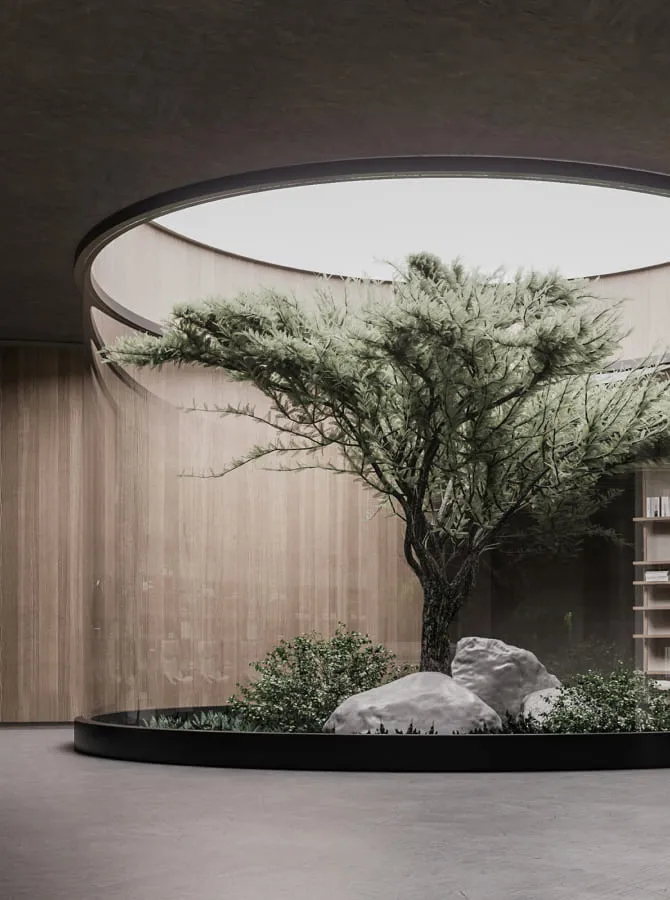
Wabi-sabi. Part I
Serhii Makhno blog
15.10.05

Aesthetic qualities, reflected in wabi-sabi, come from Buddhist ideals of the Middle Ages (the spread of Buddhism in Japan introduced the concept of wabi-sabi in the cultural sphere).
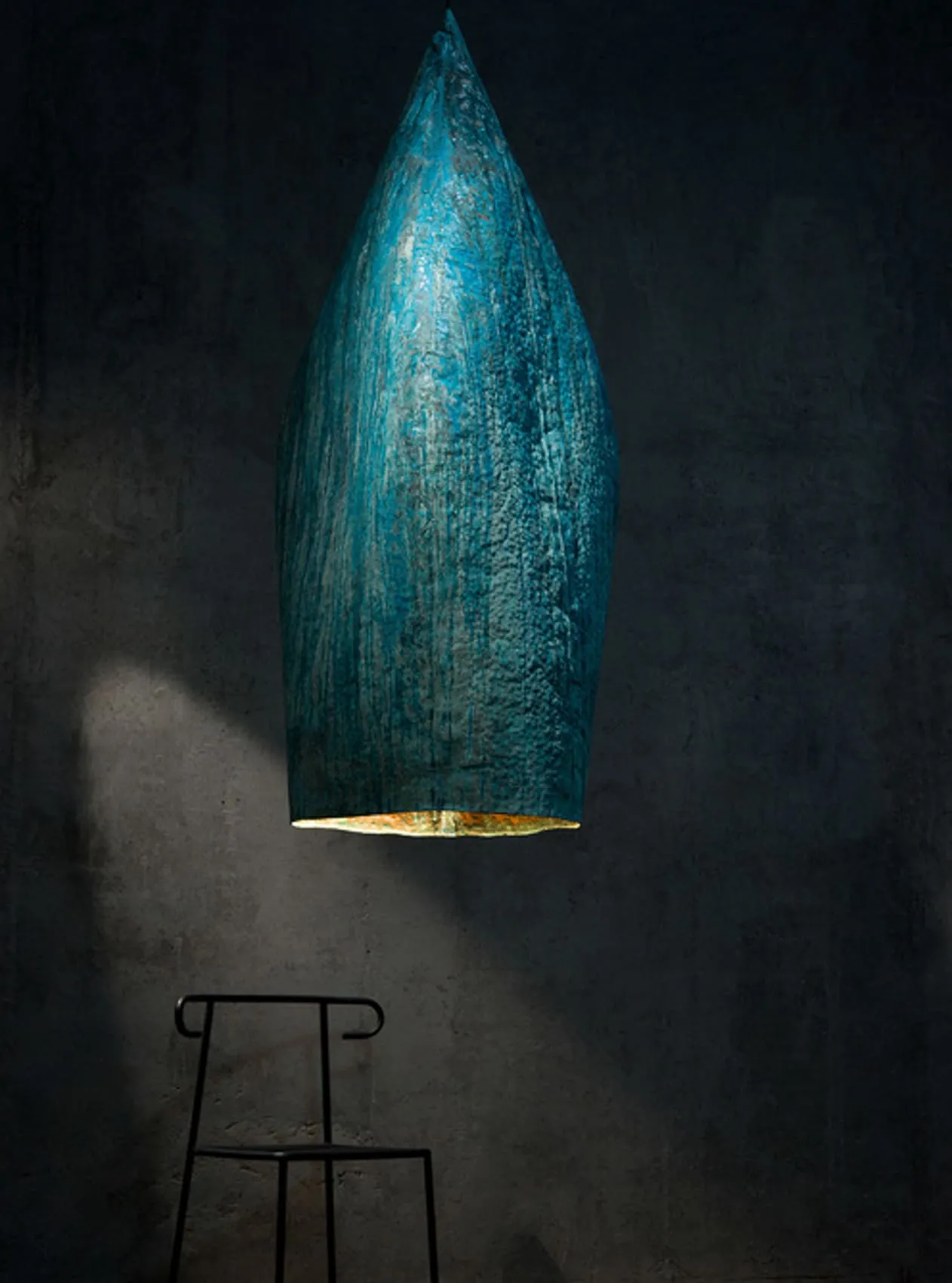

There are two Japanese aesthetic concepts: wabi and sabi.
Wabi stems from the root “wa”, which means harmony, peace and balance. The word originally referred to the loneliness of living in nature, remote from society. The notion was developed. It is about enjoying the quietness and simplicity. 3 basic Wabi: simplicity, modesty, and purity.
The term Sabi first appeared in the writings of literary critics, used to define a new poetic beauty “to be found in the autumn dusk, in withered fields, or the sight of drab brown birds winging across a marsh at twilight”. 3 basic Sabi: archaism, tarnish, and naturalness.

The Japanese have an abstract, contemplative attitude toward life. They appreciate the strict type of beauty. Therefore, authenticity and naturalness are the keys to the wabi-sabi design. Artificial can not mean perfect.

-
Wabi Sabi is the beauty that springs from the creative energy that flows in all things, animates or not. It’s a beauty that, like nature itself, can appear with dark and light, sad and joyful, rough and gentle.
Makoto Ueda, professor of Japanese literature at Stanford University

-
The physical decay or natural wear and tear of the materials used does not in the least detract from the visual appeal, rather it adds to it. It is the changes in texture and colour that provide the space for the imagination to enter and become more involved with the devolution of the piece.
Andrew Juniper, author of the book “Wabi Sabi: The Japanese Art of Impermanence”


-
Wabi Sabi acknowledges three things: “nothing is perfect, nothing lasts, and nothing is finished.”
Richard R. Powell, a professional writer