People & Books: Axel Vervoordt
Articles
17.01.19
Axel Vervoordt is a Belgian designer, decorator, antique collector, and supporter of the Wabi Sabi philosophy. His books represent the art wrapped in a paper cover. We collected the best items for your home library.
“Wabi Inspirations” is a big buzz. It’s an invitation to the world of Wabi Sabi. Vervoordt collected inspirational interiors and objects that feature simplicity, naturalness and modesty. Using visual language, the author speaks about imperfect things and the beauty of natural materials like wood, stone and clay.
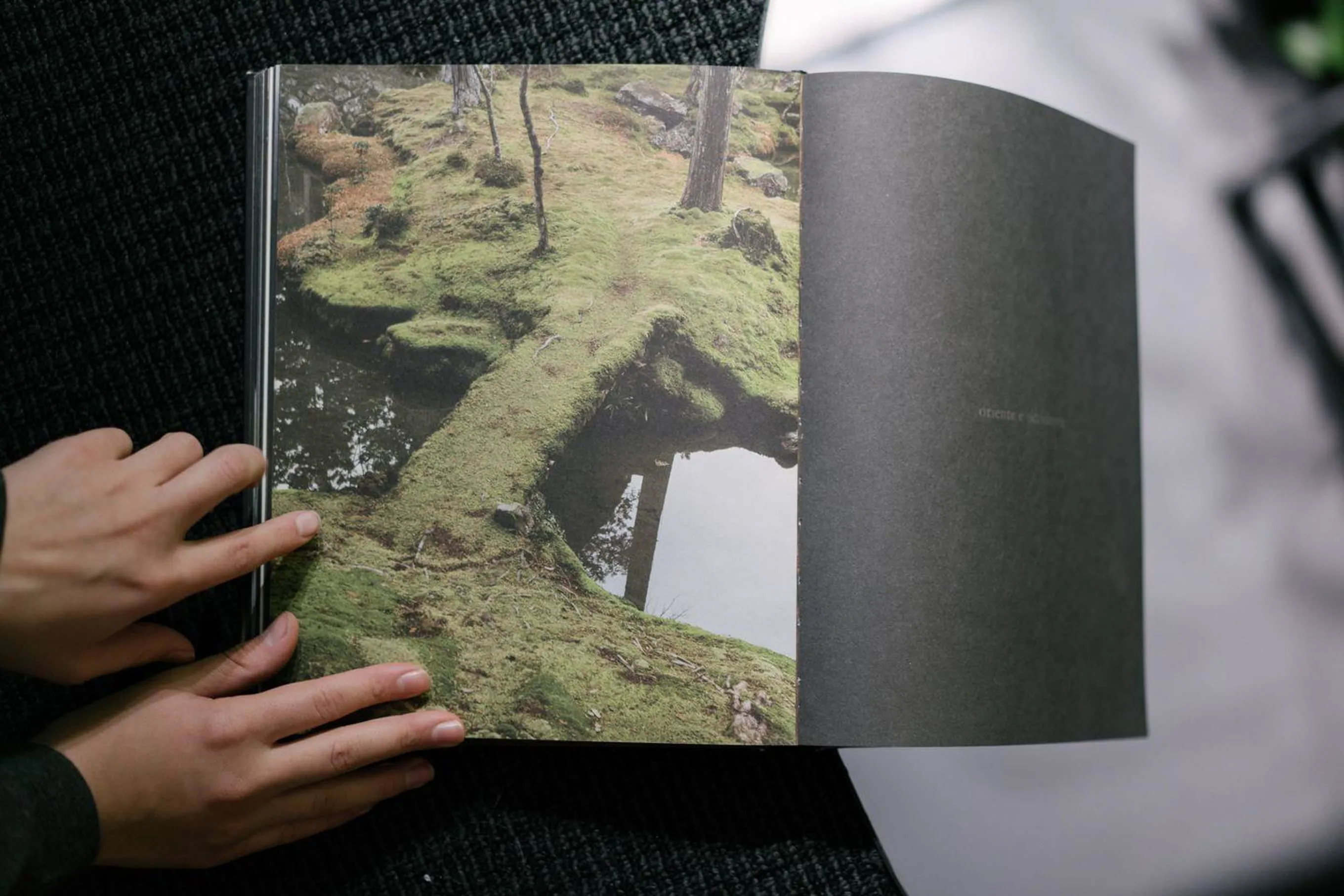
256 pages of the book create a unique world, where a minimalist Swiss house is living side-by-side with a meditative Japanese interior. Vervoordt collaborated with architect Tatsuro Miki to develop 14 of the spaces.

Whether it is a historic estate in the suburbs or a flat in the concrete jungle, Vervoordt follows the same pattern. The basis of the interior is a neutral concrete canvas. The semantic centres are objects – an antique table from the XIX century, the Japanese raku ware or even a piece of a tree on the wall. Vervoordt never fails to surprise. Instead of being simply a guest, you become a researcher who examines unique objects.
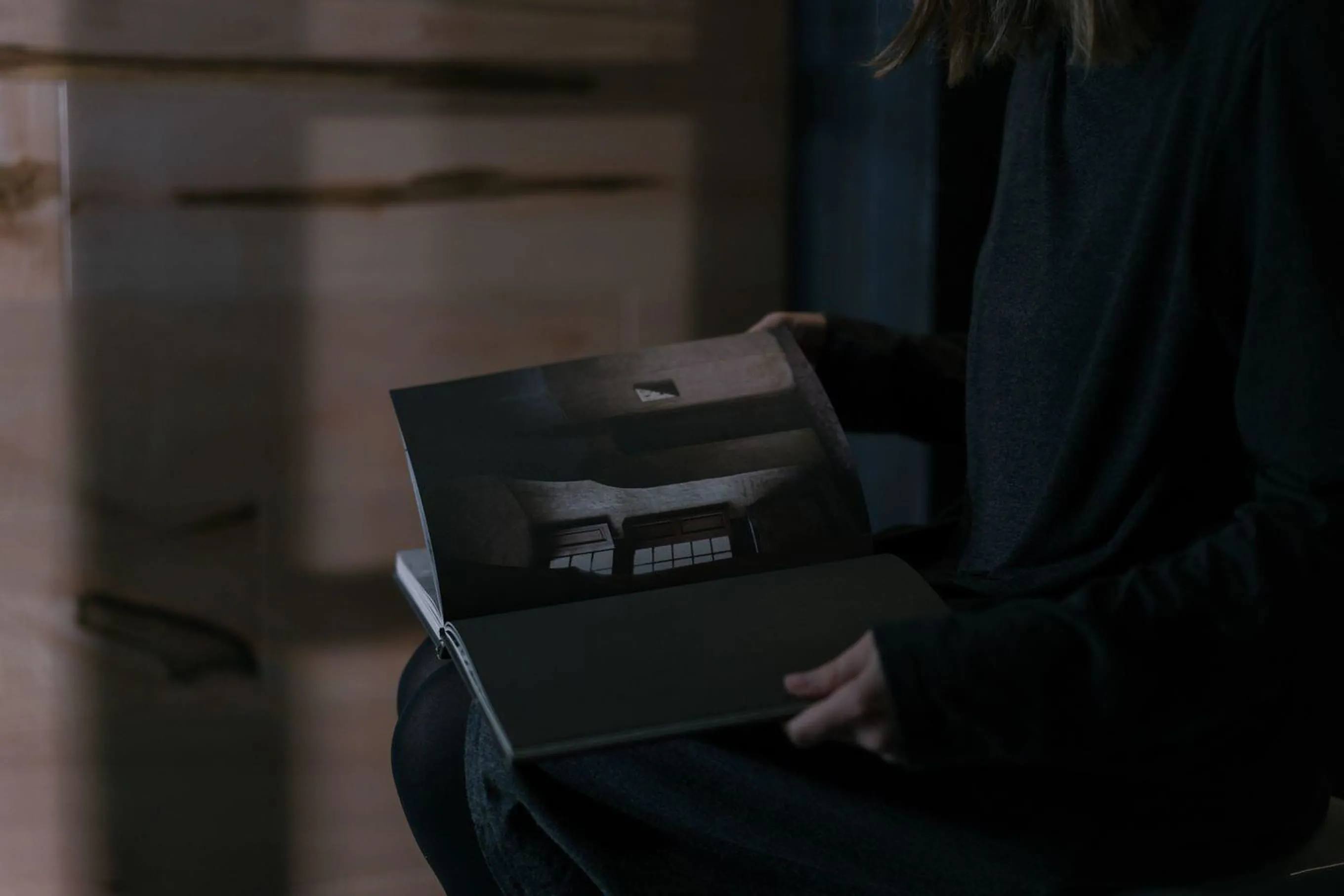
VERVORDT FREES THE SPACE FROM VISUAL NOISES TO LET THE THINGS SHARE THEIR OWN STORY.

All objects that you come across in Vervoordt’s interiors have one thing in common: nature. The author has a strong attachment to natural colours, simple forms, and natural light. The textures look so vivid even in photographs, that you find yourself in a desire to touch them.
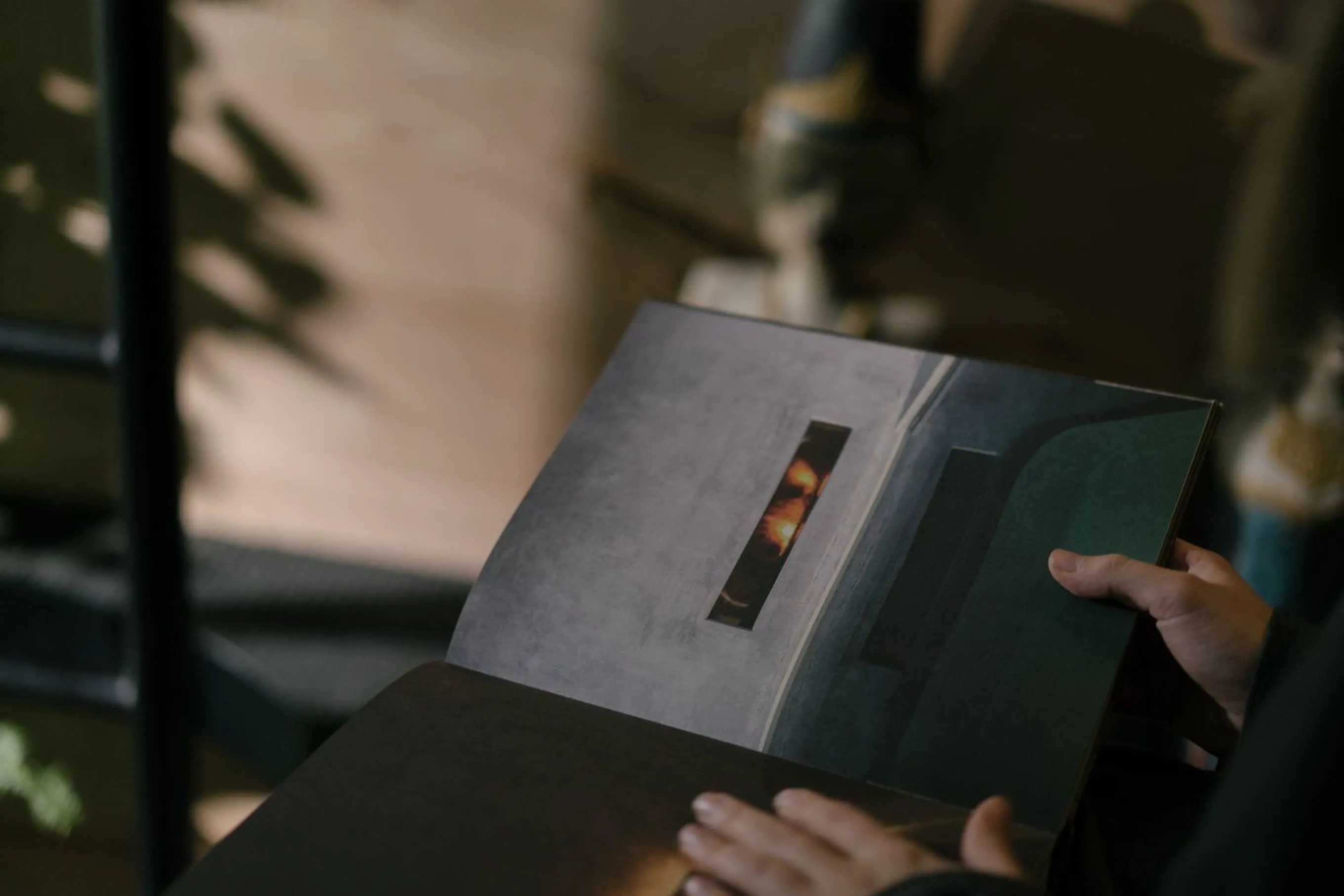
The flow of time means a lot to Vervoordt. In the foreword, he says that Wabi in itself is timeless – without a past, present, or future. Wabi is the moment of eternity.
-
WABI IS THE MOMENT OF ETERNITY.

The interiors look like a few generations have lived in them. The author appreciates the history of things, saying that nothing is so quickly out of fashion as fashion.

NOTHING IS SO QUICKLY OUT OF FASHION AS FASHION.
The book causes a number of cultural associations. Page by page, countries, moods and times change. “The inspirations” does not give a practical guideline on how to practice Wabi Sabi at home. It is an object of art with the purpose to show the Wabi Sabi space and teach us to understand its mindset.
If you are in the mood for some philosophy or spontaneous dialogues about the nature of things, go to a bookstore for the “Story of a Style”. In this edition, the author reflects on the nature of things, and deals with “the fullness of emptiness”. Vervoordt outlines his philosophy of life and work by the Flemish term “volledig”. The author perceives emptiness as a space that is defined by emotions, and the spirit of the past as the meaning of life.