Warning: Attempt to read property "ID" on null in /home/makhno1/makhnostudio.com/www/wp-content/themes/makhno/functions/helpers.php on line 250
Back To Публікації
DIDO embroidered items by MAKHNO have become part of the “Garden of Sophia”
Публікації
26.09.03
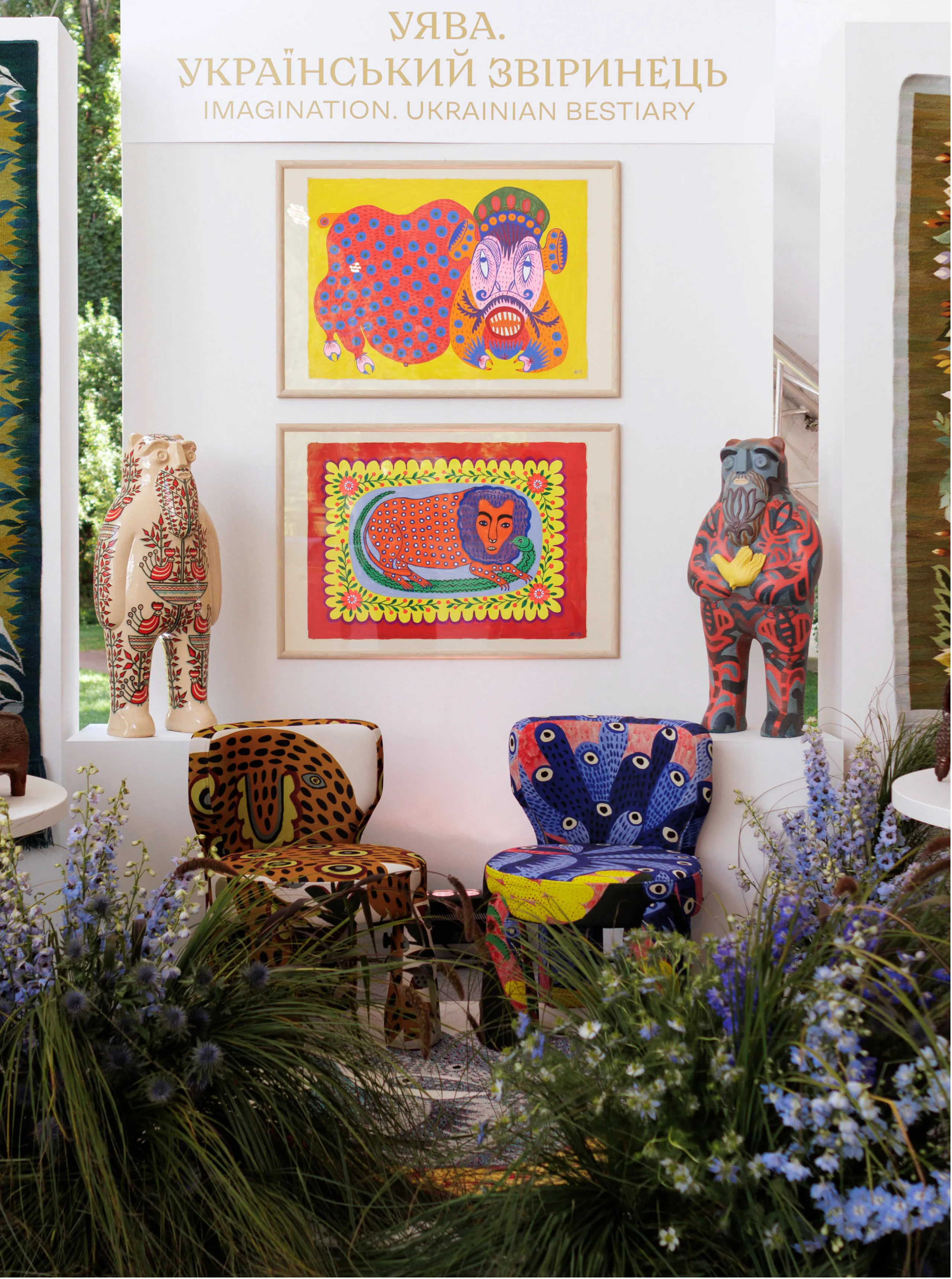
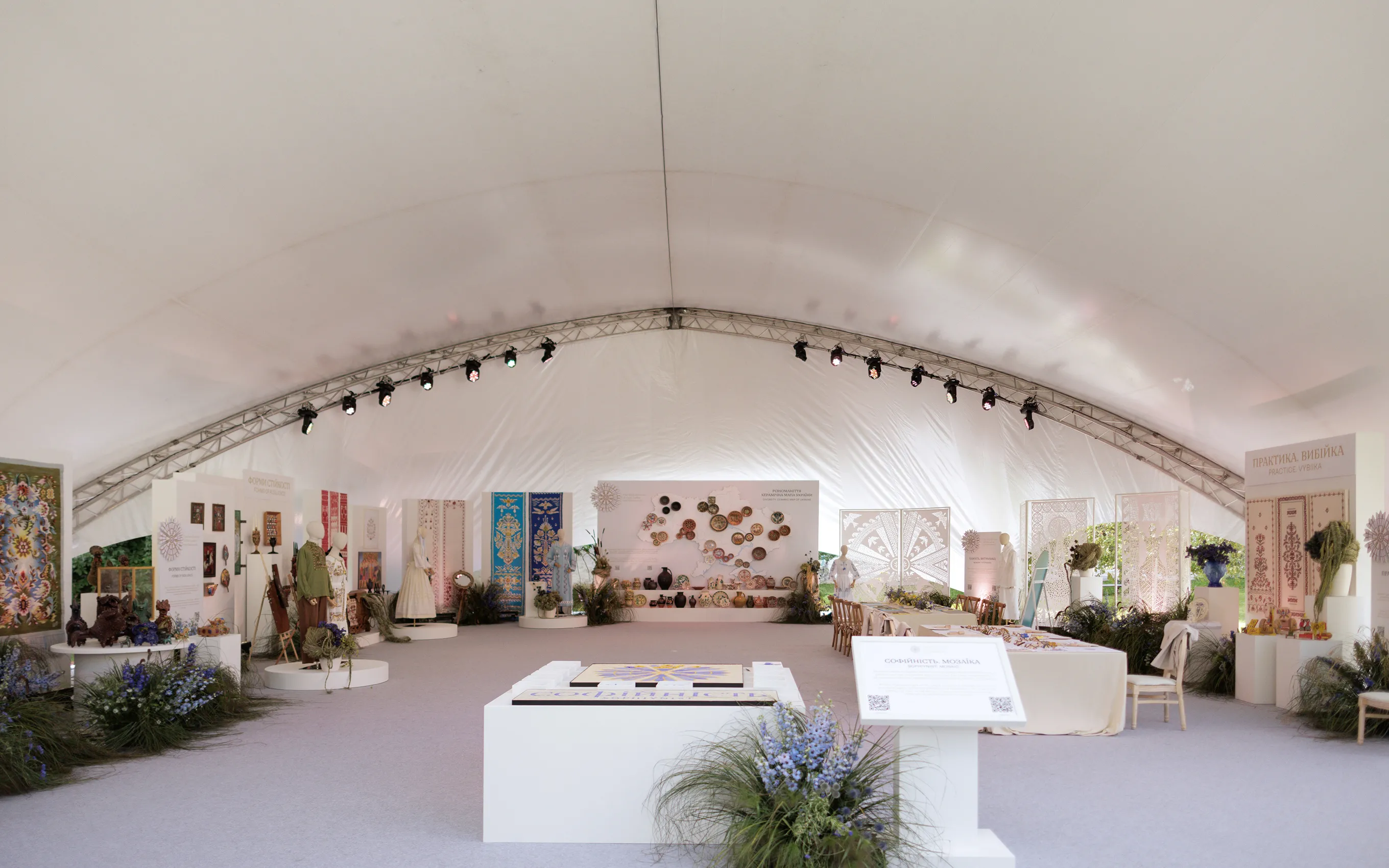
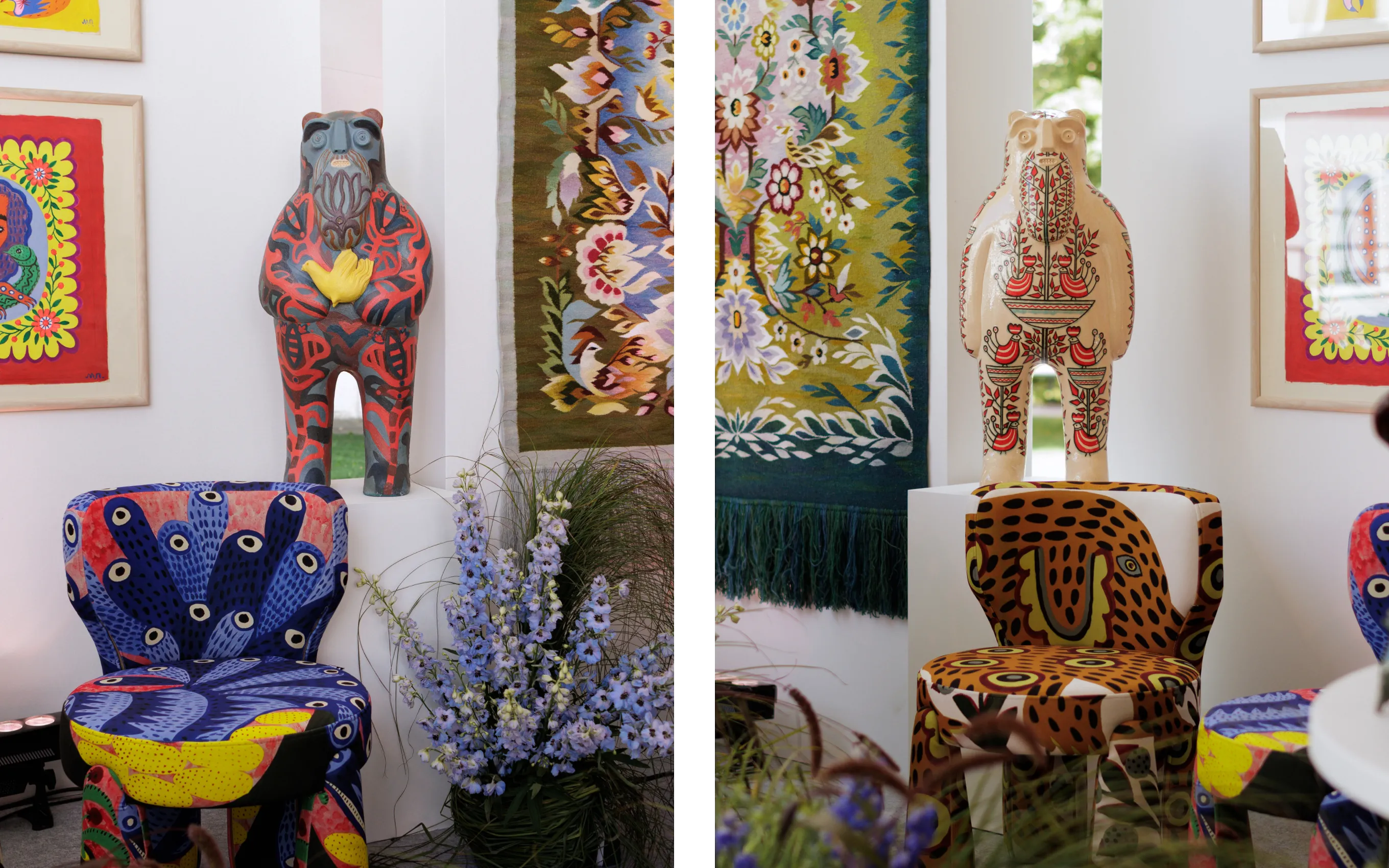
Two “Vyshyvani DIDO” sculptures by MAKHNO were unveiled at the “Garden of Sophia”—a cultural and educational space created specifically for the 6th Summit of First Ladies and Gentlemen on the grounds of St. Sophia Cathedral in Kyiv. The sculptures became part of the “Imagination: Ukrainian Menagerie” zone.
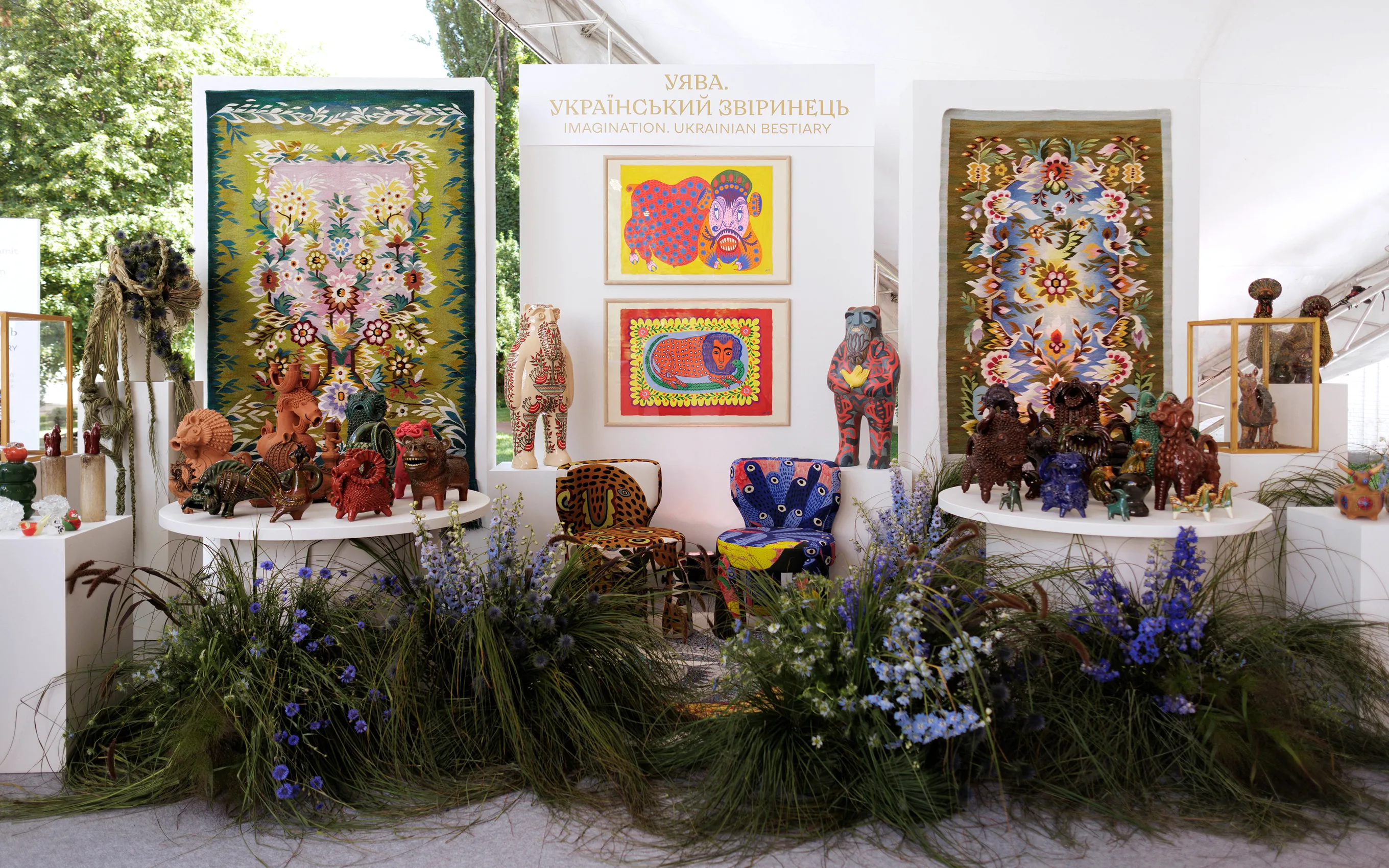
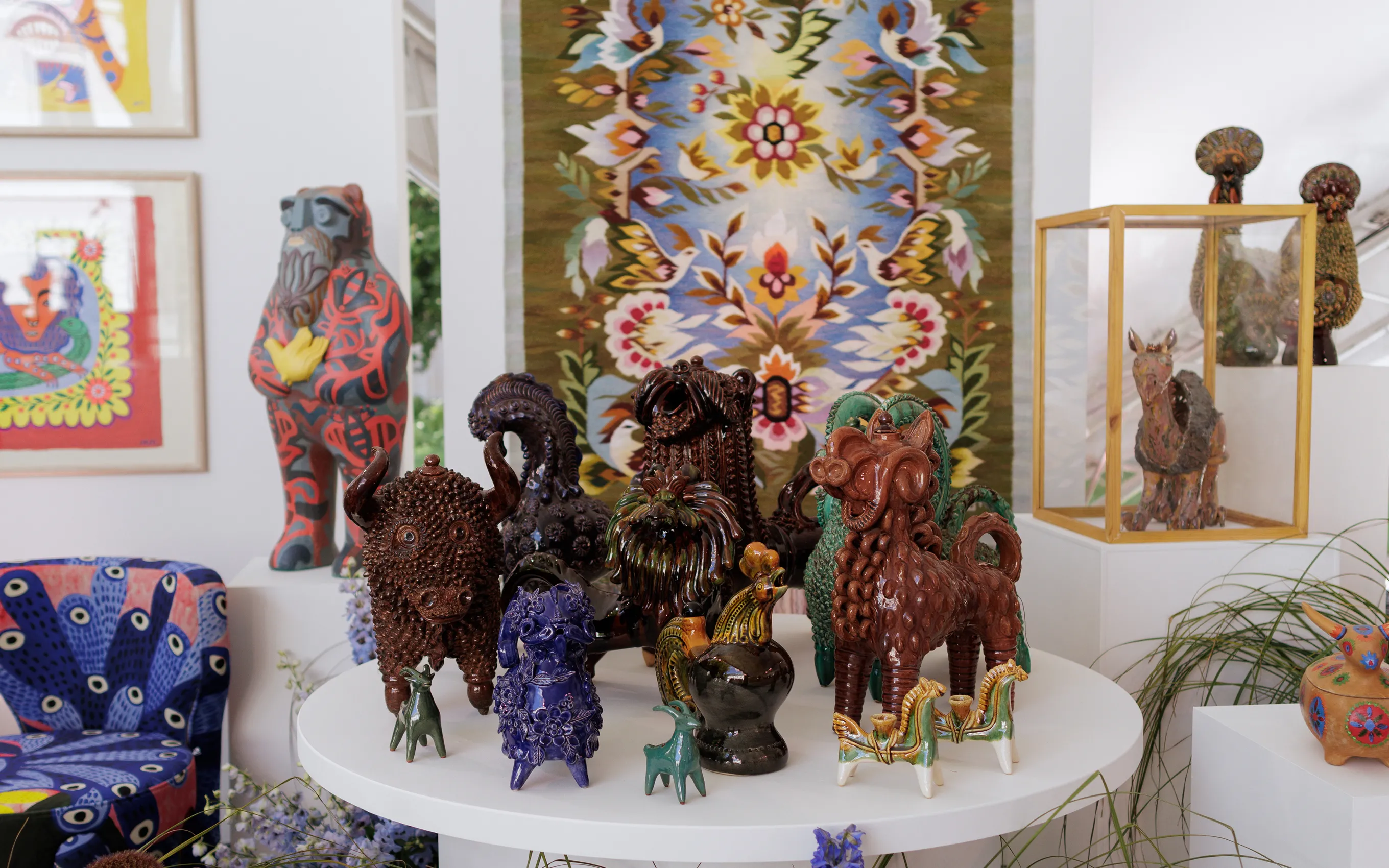
This section of the exhibition brings together real and fantastical animals from Ukrainian culture, embodied in ceramics, textiles, folk toys, object design, and art. The embroidered DIDO pieces engage in a dialogue with zoomorphic ceramics, traditional imagery, and the Ukrainian menagerie found in the work of Maria Pryimachenko.
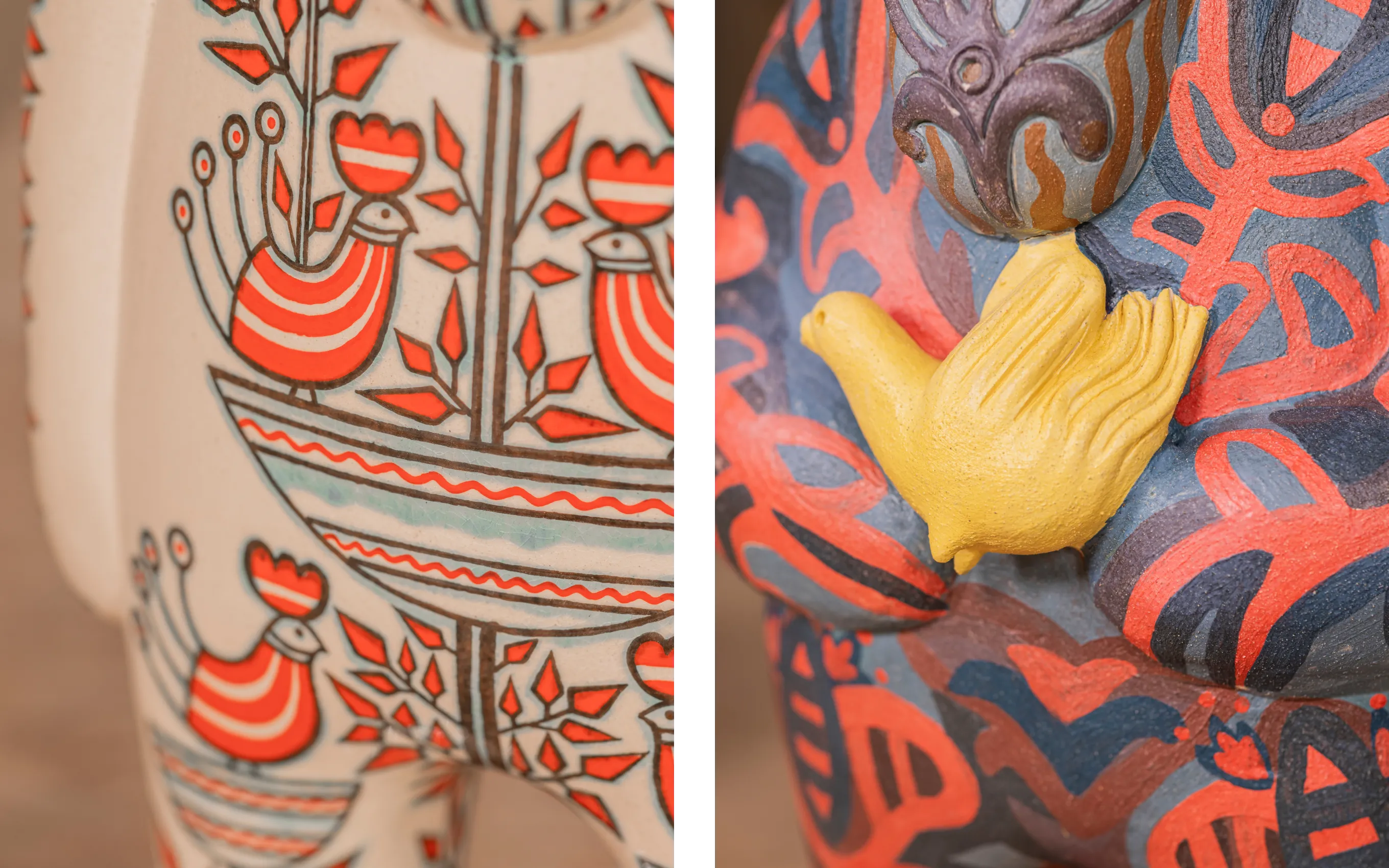
The embroidered DIDO pieces draw from Ukrainian cultural tradition but do not replicate it literally. Through the artist’s unique form, hand-painting, and ceramic texture, familiar images are transformed into contemporary material culture.
At the heart of “The Garden of Sophianess” lies the concept of sophianess: the ability to see reality holistically, to learn from experience, to hold fast to one’s own values, and to take action. Its three pillars are the will to live, the strength to fight, and the wisdom to learn. This idea is embodied in the image of a garden—a symbol of wisdom, home, and life, and today also of care, resilience, and renewal.
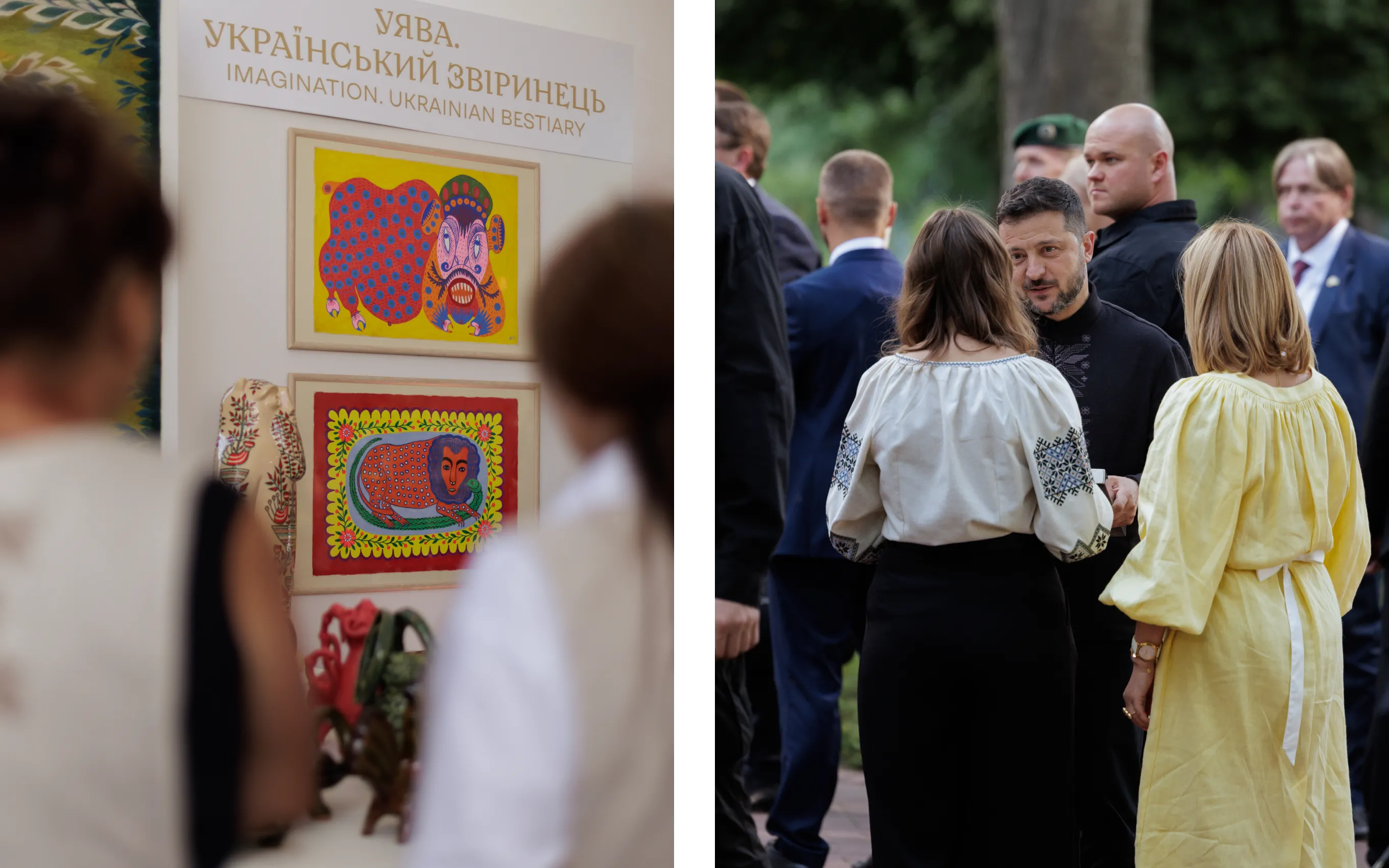
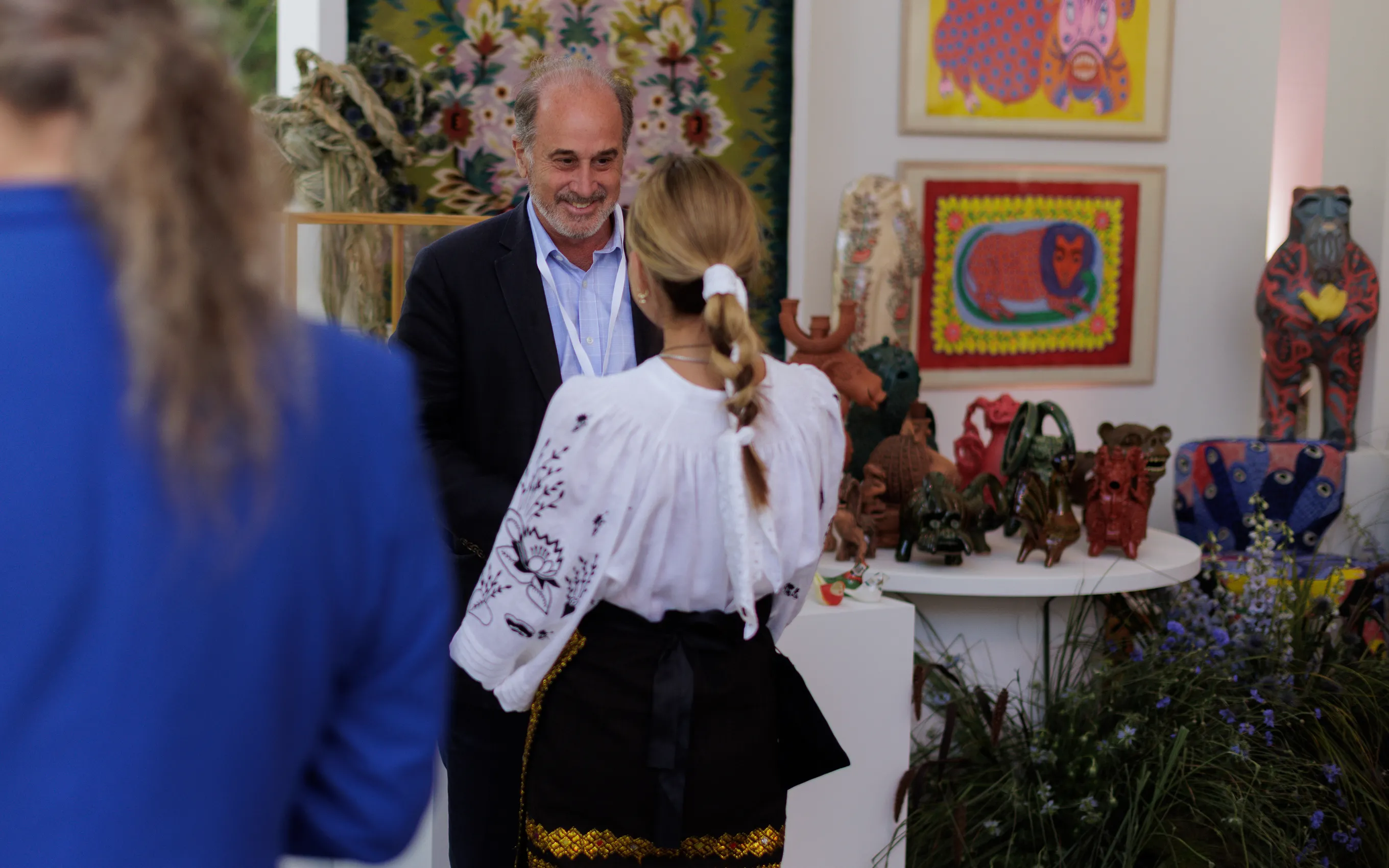
The project was implemented in partnership with the All-Ukrainian Mental Health Program “How Are You?” and the Ministry of Culture of Ukraine, with support from the Zagoriy Foundation. The “Garden of Sophianity” was visited by Volodymyr and Olena Zelenskyy, the presidents of Finland, Estonia, and Lithuania, as well as the first ladies and gentlemen of the countries participating in the Summit.
For DIDO, participation in the project marked another step in its development as a collectible. In the “Garden of Sophistication,” the sculptures were presented not only as design objects but as a contemporary cultural form that continues a dialogue with tradition. Its place is in private collections, gallery exhibitions, and cultural projects.