A 7-meter sculpture by the MAKHNO studio has appeared in the Lviv Museum
News
25.11.11
The ceramic sculpture Dido Nebokrai by Ukrainian studio MAKHNO is installed at the Klymentiy Sheptytsky Museum of Folk Architecture and Life. This took place as part of Sculpture Week 2025.

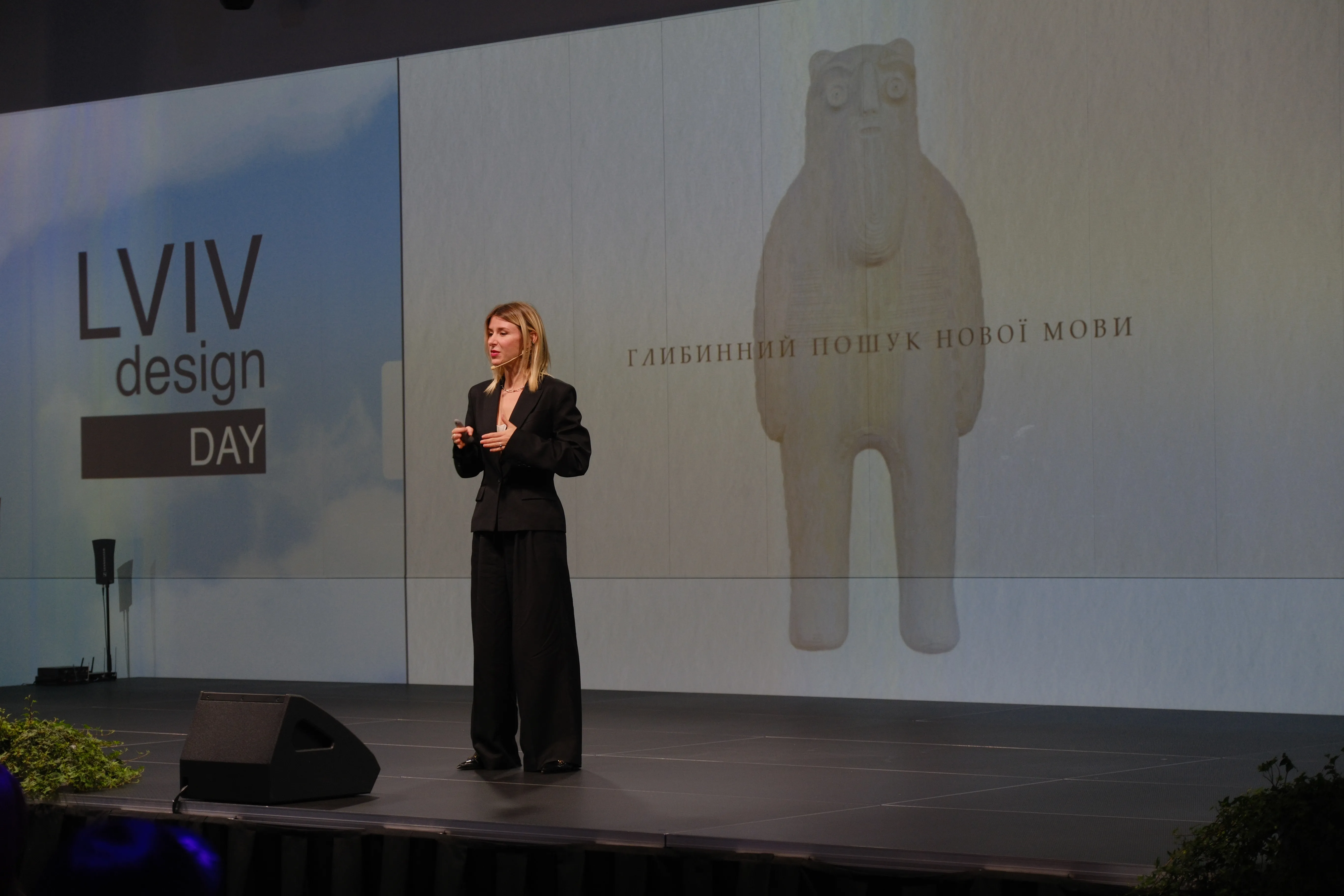
Dido embodies the idea of the family as a continuous circle: from grandfather to grandson, from earth to sky. It is a modern reinterpretation of Ukrainian mythology and symbols that lived in clay, wood, and songs.
“Dido Nebokray is an image of an ancestor, protector, and sage. His raised hands are a gesture of communication with the sky, a symbol of supplication, gratitude, and unity with higher powers. The surface of the sculpture, covered with hundreds of rhythmic protrusions, is reminiscent of primitive amulets — “spikes” against evil spirits, which at the same time create a texture similar to ancient totem artifacts. Each element is molded by hand, preserving the warmth of human hands and the traces of craft tradition,” notes Serhii Makhno.
The sculpture is almost 7 meters high and weighs 526 kilograms. The authors of the work are Serhii Makhno and Oleksandr Yarovyi. This is the first appearance of the MAKHNO sculpture in public space.
The name of this year’s Sculpture Week, “Dialogues,” was not chosen by chance, according to Pavlo Gudimov, the chief curator of the event.
“Dialogue is the basis of any development. In art, it takes place not only between people, but also between sculpture and space, between the past and the present. This year, we want Lviv to speak the language of sculpture,” said Pavlo Gudimov.


Cooperation with the Klymentiy Sheptytsky Museum of Folk Architecture and Life in Lviv and the choice of the exhibition venue in Lviv are fundamental, as the museum itself is dedicated to the dialogue between people and traditional culture, which also influences contemporary culture.
Nearby, in the museum pavilion, a series called “Embroidered Grandfathers” was opened, continuing the conversation between material, craft, and memory. One of them can be found among the exhibits of the “Glyptotheque” exhibition at Lviv Polytechnic.