CONTEMPORARY ARTISTIC CERAMICS: 7 VISIONARIES OF TODAY
Articles
24.09.11
Artistic ceramics are products made of clay and other mineral components, with a decorative coating or painting, which are perceived primarily as art objects, not as utilitarian household items. Artistic ceramics has existed as long as culture and art, because it has essentially shaped and transmitted them. Today this process continues, showing us new extraordinary techniques and forms. Today we will talk about the contemporary heroes of this field.
A little bit of history
Archaeological findings show that artistic ceramics has existed for more than 25,000 years. Back when the very first earthenware vessels were made, people tried to decorate them. Many of them still show patterns in the form of pressed depressions, embossed wavy stripes, etc.
The same applies to non-utilitarian art objects. The earliest surviving example is the Vestonica Venus, made between 29,000 and 25,000 BC.

Examples of ancient artistic ceramics are paintings on the walls of the tombs of Egyptian pharaohs, and excavations on the island of Crete have revealed entire factories producing prehistoric ceramic ware with brightly painted designs.
Later, Greek craftsmen invented a black varnish with refractory properties and used it to paint red clay products. The secret of its composition has not been revealed by scientists to this day. In the Middle Ages, with the emergence of Muslim culture, glaze was used to decorate clay products. Such ceramics were called majolica.
At the same time, independent ceramic techniques and types of ceramics developed in Japan: raku, kintsugi, and others. At the same time, a unique artistic philosophical and aesthetic paradigm was being formed there, an important manifestation of which was a ceramic object that was perceived as artistic in itself. This greatly influenced the further understanding of the beauty and value of ceramic objects up to the present day.
Contemporary masters do not stop, but rethink millennial achievements in new contexts. Their creations are extraordinary artistic manifestations that, in addition to their skill and innovative approaches, prove to us that the connection with tradition can still look surprisingly relevant.
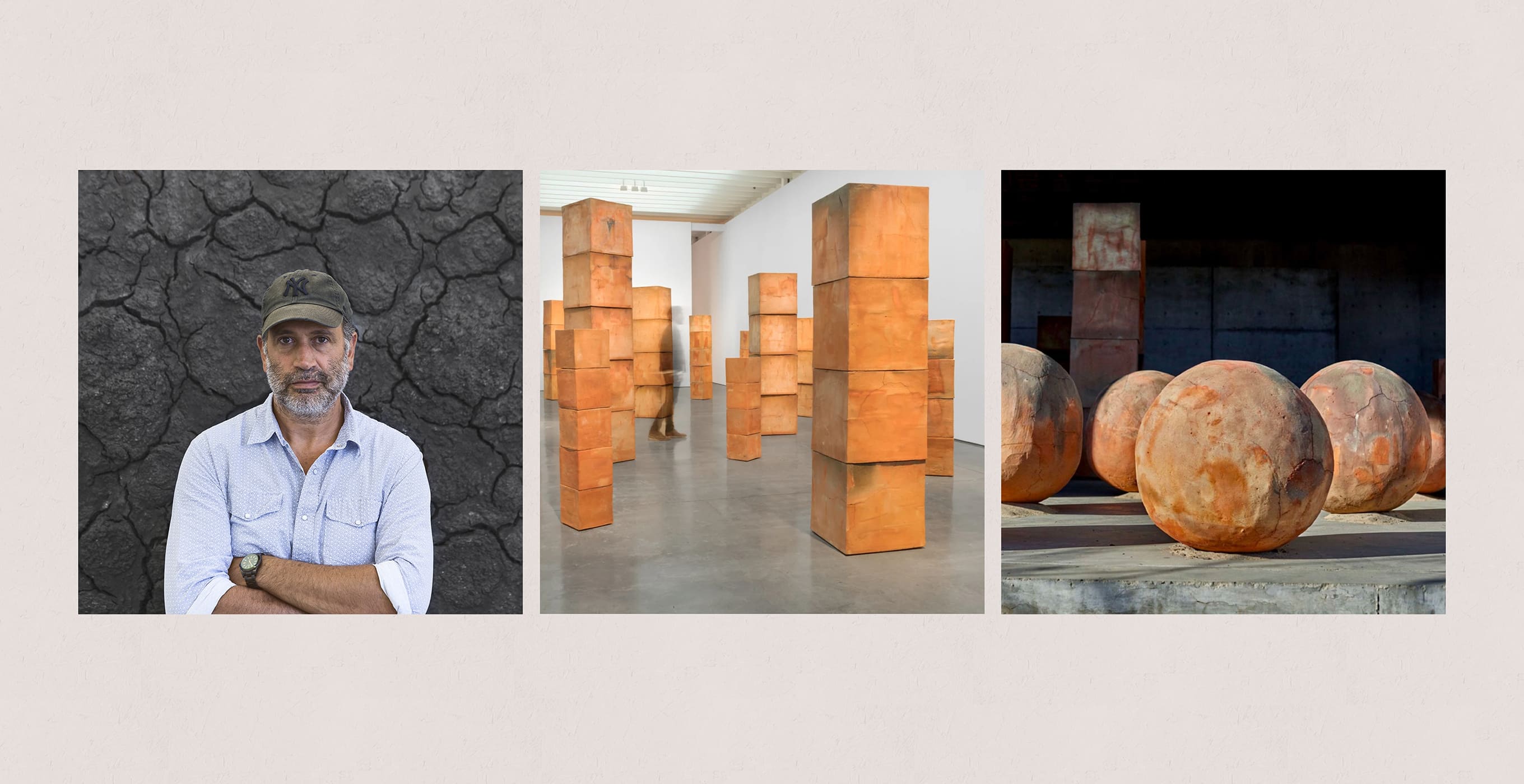
Bosco Sodi
Bosco Sodi is a contemporary Mexican multimedia artist based in New York. In his inventive sculptures, he often achieves a geological texture replete with cracks and chasms that recall primitive landscapes and elements of the natural world.
The process and elements of chance become fundamental to Sodi’s practice. Much of the artist’s work is influenced by the Japanese aesthetic philosophy of wabi-sabi. Taking this philosophy as his main source, Sodi creates form using chance, a moment of uncontrollability, working in complete harmony with and trusting the natural elements.
Sodi works in an intensely direct and performative manner, with only his own hands, which maintains a unique transcendental transmission between creator and work. The result is surfaces with rough textures, cracks and dips that allow time and action to be read, revealing remarkable organic structures. His works are pure art, artistic ceramics in a radical creative manner that has taken its special place in the most honorable galleries in the world.
Jojo Corväiá
Jojo Corväiá is a Venezuelan-born Berlin-based visual artist, known as a ceramist, but also working in other art forms.
His projects and research in contemporary ceramics gravitate towards the concepts of imperfection, asymmetry, and modesty. Aspects of his work include roughness, irregularity, and the involvement of natural processes. He recognizes and accepts the anomalies that arise in the process of handcrafting, which adds uniqueness, beauty, and a special character to his work.
His only tools are his hands, and this gives him the opportunity to get close to the material and express his emotions on it. The main themes of his work are the living imperfect perfection of objects, which brings them closer to natural forms, and sensuality and emotionality in sculpture. He notes that he does not create a form, but the feelings that this form conveys.
Tom Kemp
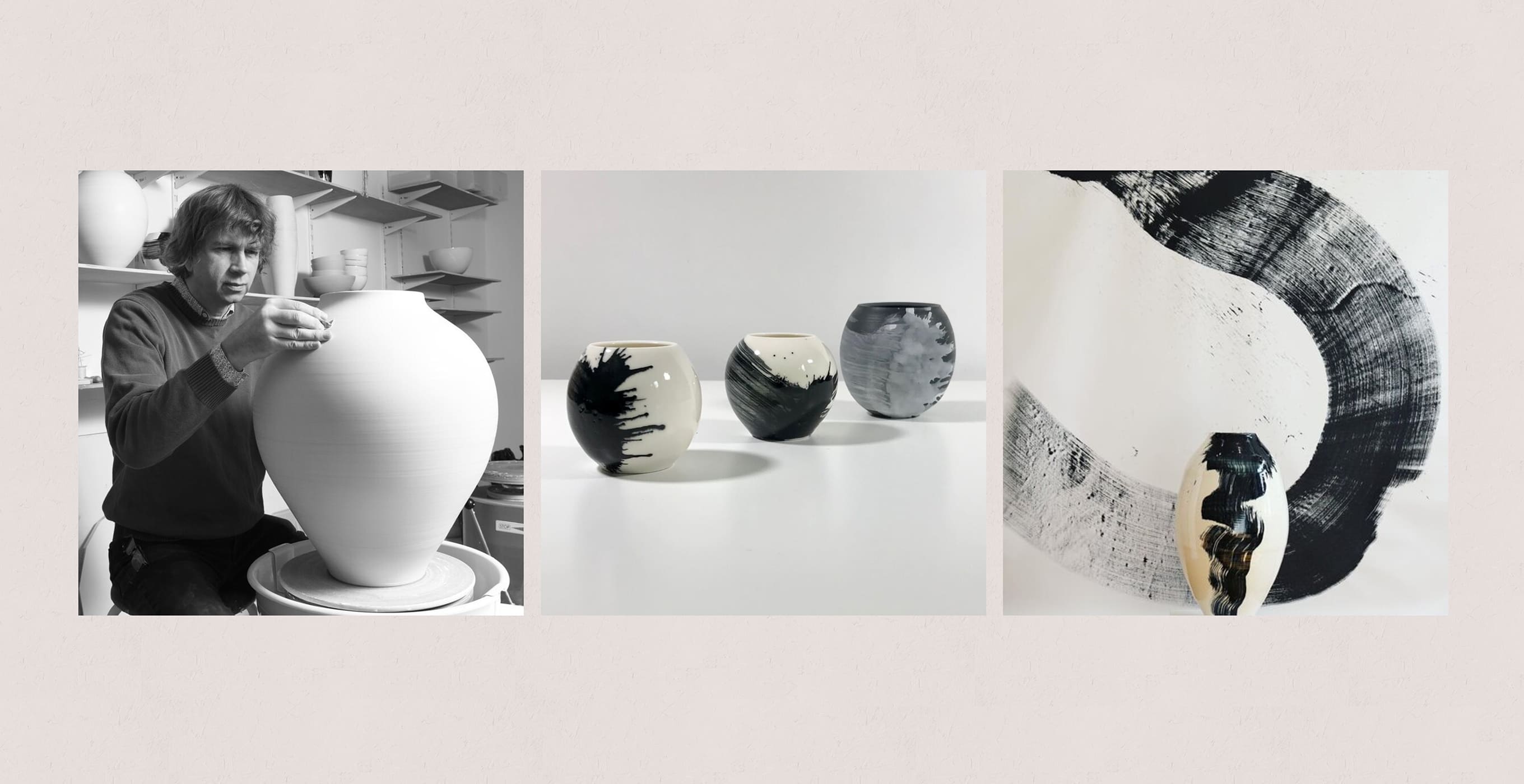
Tom Kemp is a self-taught artist whose work is currently represented in some of the world’s most distinguished collections. His method combines ceramics and ancient calligraphy.
Tom describes himself as a craftsman engaged in two parallel crafts: calligraphy and pottery. He works with porcelain, makes large vessels and “writes” on them, usually with one brush stroke. In the past, when he was working in theoretical computer science, he studied the brush technique of ancient Roman authors. Brushes of this shape were used throughout the Roman Empire for inscriptions on buildings. So he learned everything he could about this method of writing, published a textbook, and continues to teach this topic at seminars around the world.
His work resembles the strokes of medieval calligraphy masters. A simple, clean form and a bold, lively stroke. An impression that always looks fantastically fresh.
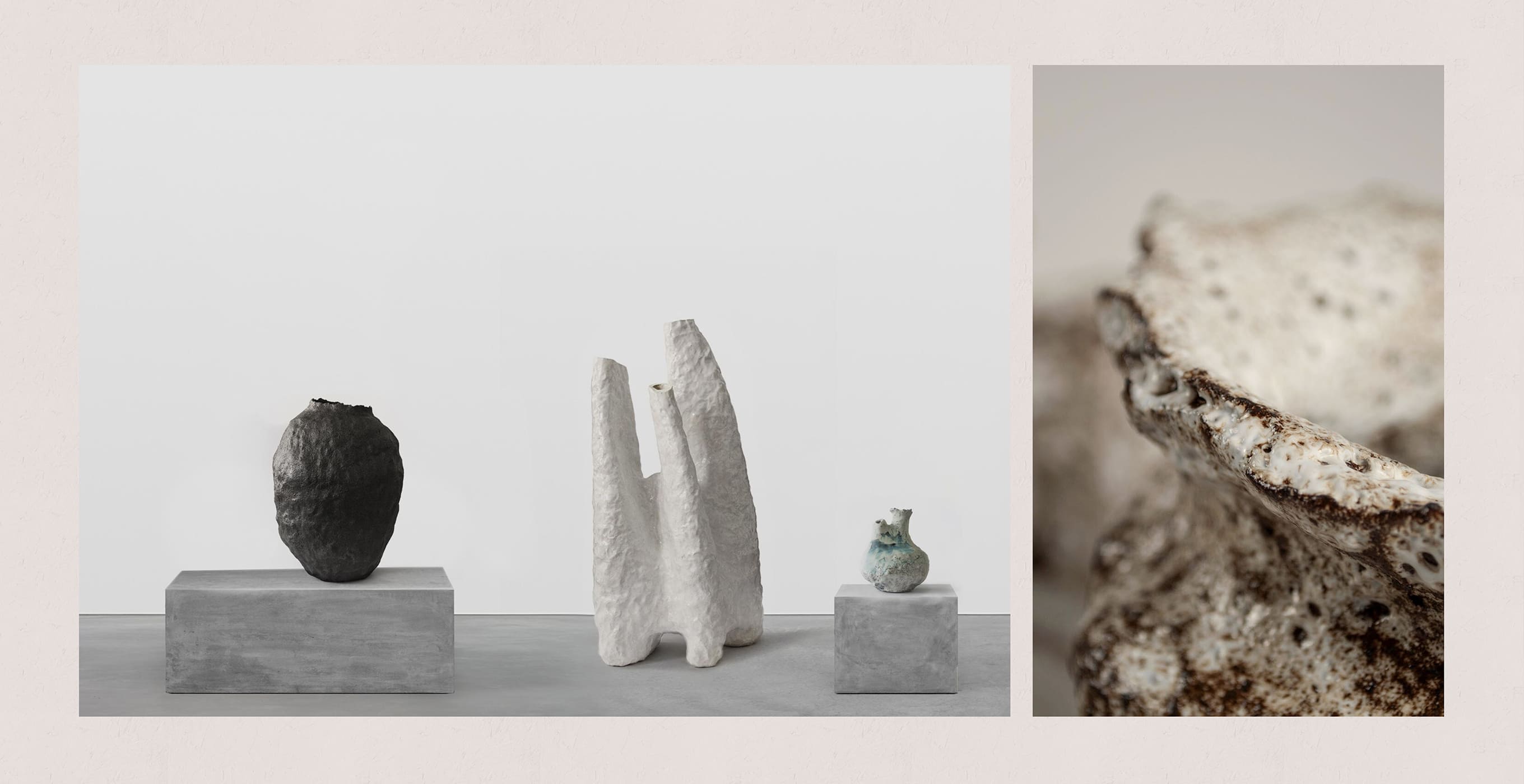
Serhii Makhno
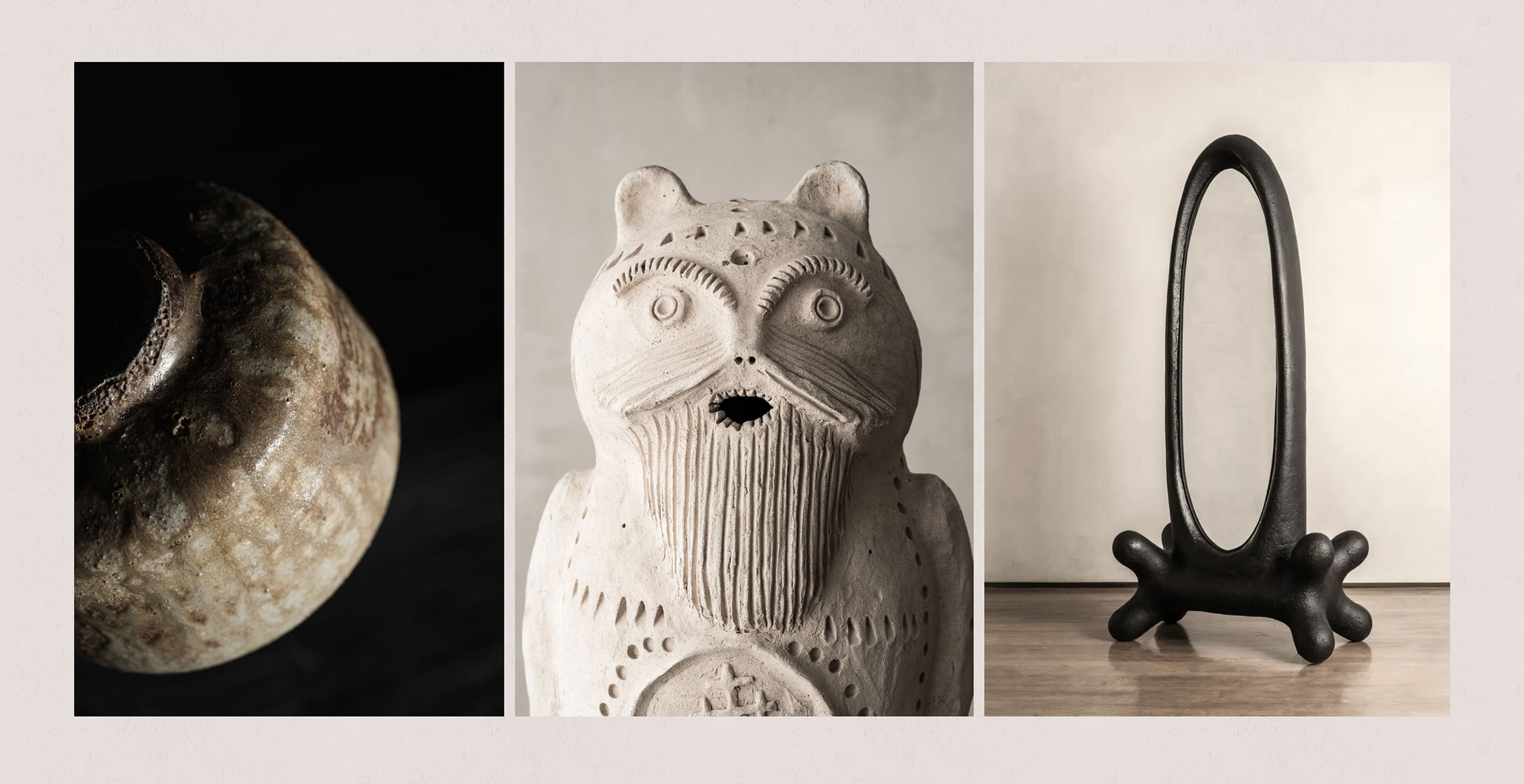
Serhii Makhno is a Ukrainian artist who opens up new possibilities for ceramics to the world, reviving and rethinking centuries-old authentic traditions. Since childhood, he has been impressed by working with clay, but he took up this professionally, having gone through the path of a designer and architect.
Serhii creates collection design, ceramic interior items that are also art sculptures. These include extraordinary sturdy furniture, armchairs and tables of timeless design and brutal texture, hand-molded from a single piece of clay and fired in a huge kiln using secret techniques. And masterful art lamps of intricate natural shapes with a lot of technically impossible details, etc.
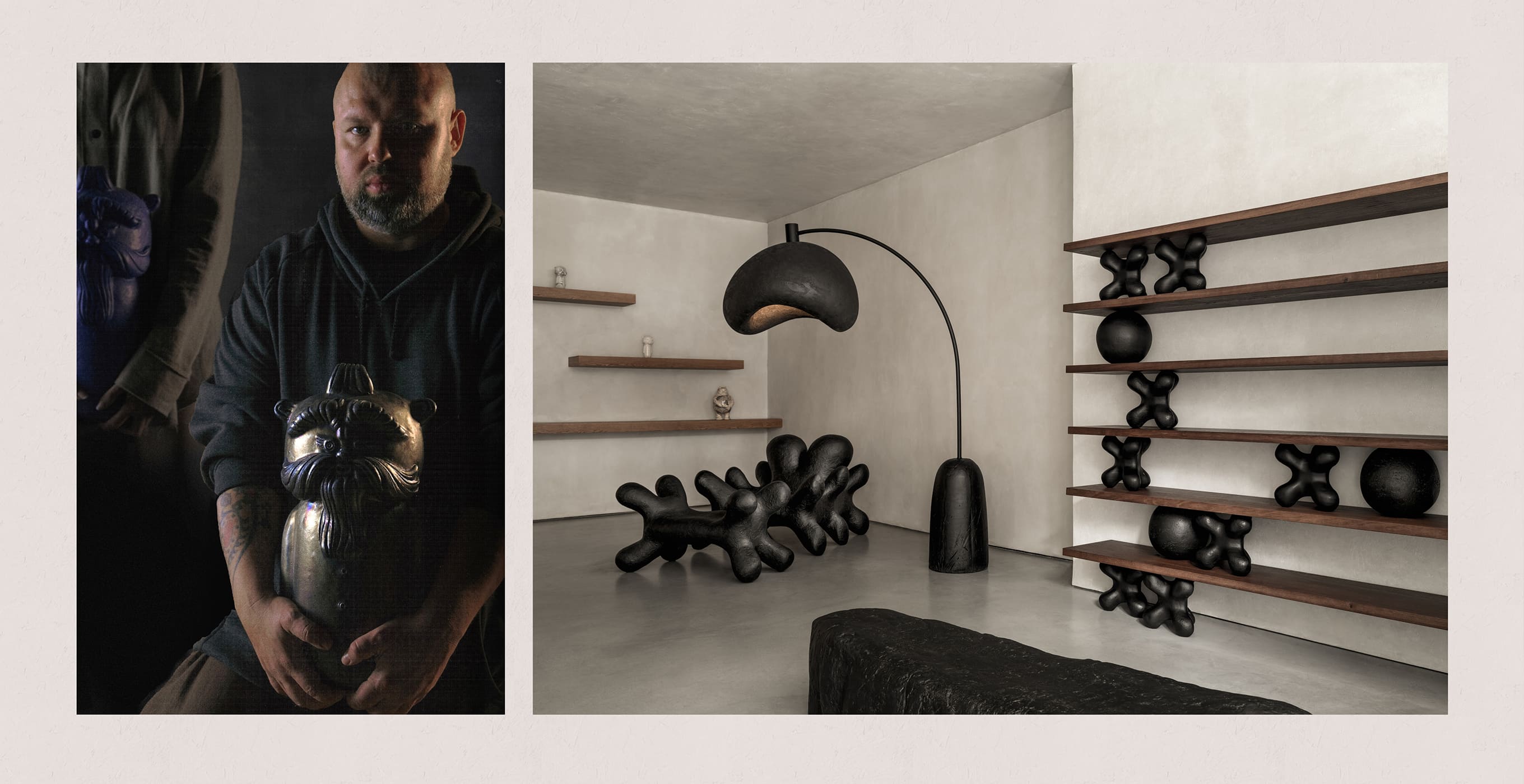
Serhii’s goal is to amaze the world and give it extraordinary beauty. His products receive the world’s most important awards for artistic design and are recognized by collectors as pearls of contemporary ceramic art.
Florian Gadsby
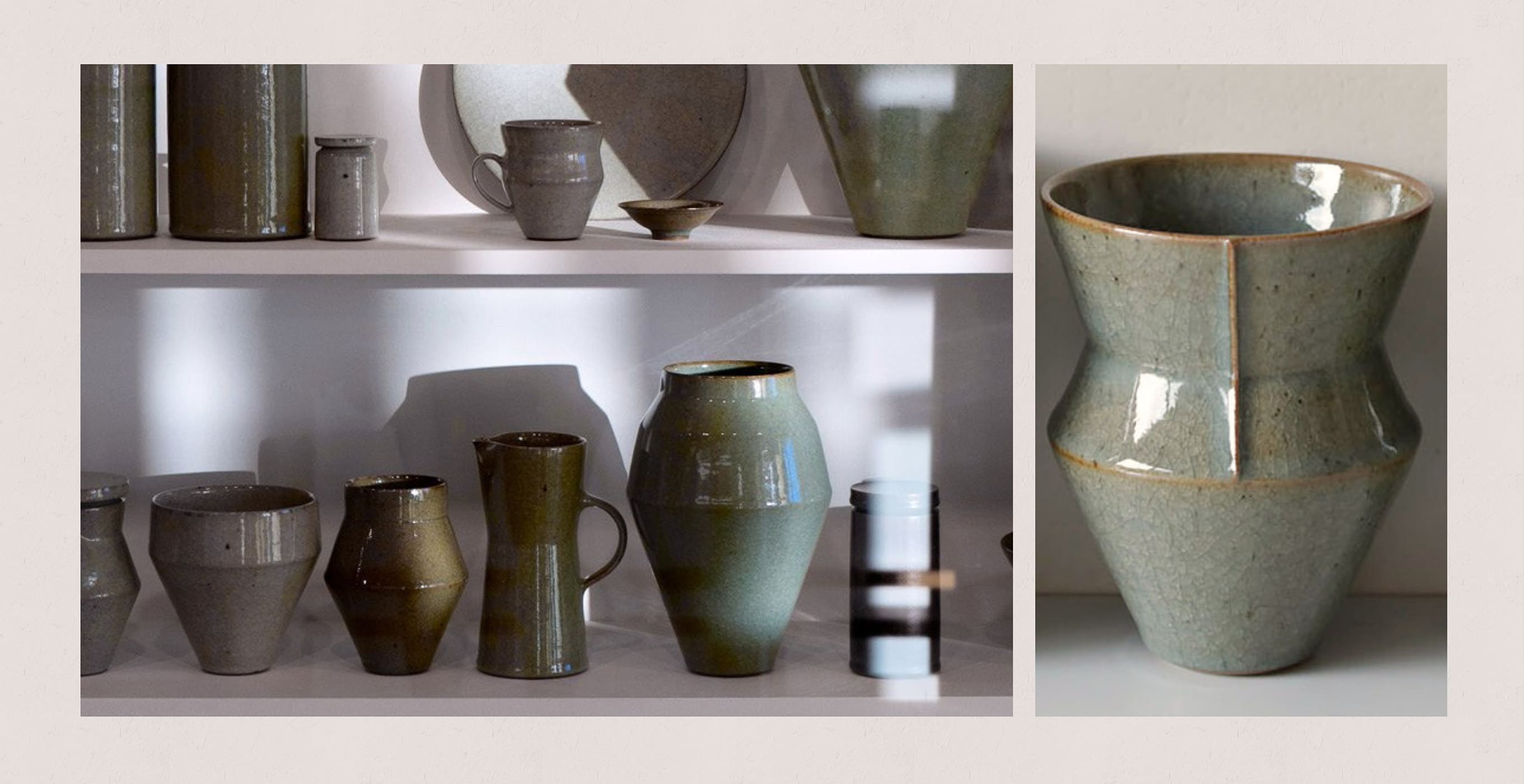
Florian Gadsby is a ceramic artist from London, and his style and vision was largely shaped during his studies in Japan, with the great master Ken Matsuzaki. Florian’s work embodies a simple and elegant aesthetic that conveys in a remarkable way the skill and experience required to create such “humble” works of art. His reputation is international thanks to his total dedication to his craft and his presence on social media, where he broadcasts every secret of production.
The strength of this artist is the culture of work, as well as a limited palette of materials and fidelity to ancient handmade technologies. He also practices seladon techniques – oxygen-free firing of ceramics in a gas kiln at extreme temperatures, as a result of which the ceramic surface acquires cracks and other artifacts that are highly valued by connoisseurs.
His contemporaries are impressed by Florian’s perfectionism, his fantastically methodical approach to work and his detailed description of each step for everyone.
Akira Satake
Akira Satake is called the wabi-sabi master of the third millennium. He was born in Osaka and moved to the United States in 1981, where he spent 20 years making music and sound production. In 2003, he founded Akira Satake Ceramics and devoted himself to his growing passion for making japanese ceramics.
The Philadelphia Museum of Art awarded him the National Award for Excellence in Contemporary Ceramics, while the national PBS channel launched a weekly television series, Artisan’s Legacy, dedicated to his life and work.
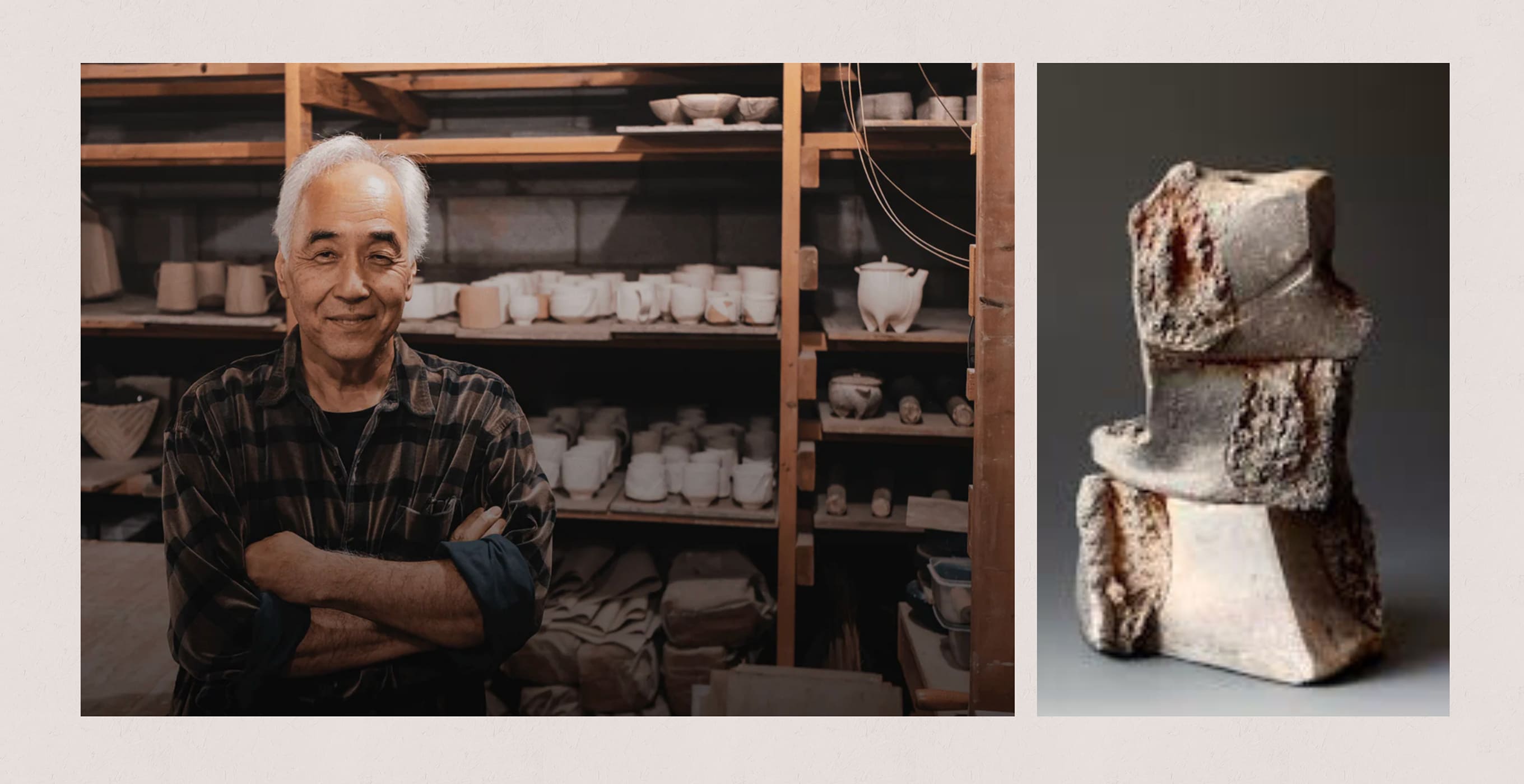
Akira is one of the most recognized clay artists of our time. His exhibitions are held all over the world. And this is not surprising, because each of his works impresses with its brutal authenticity and breath of life. It’s like nature itself.
“For me, the act of creation is a collaboration between me, clay and fire. Collaboration means finding what the clay wants to be. Fire is the final accidental part of the collaboration equation. I hope that fire will become my ally, but I know that it will always transform the clay in ways I cannot predict,” says the master.
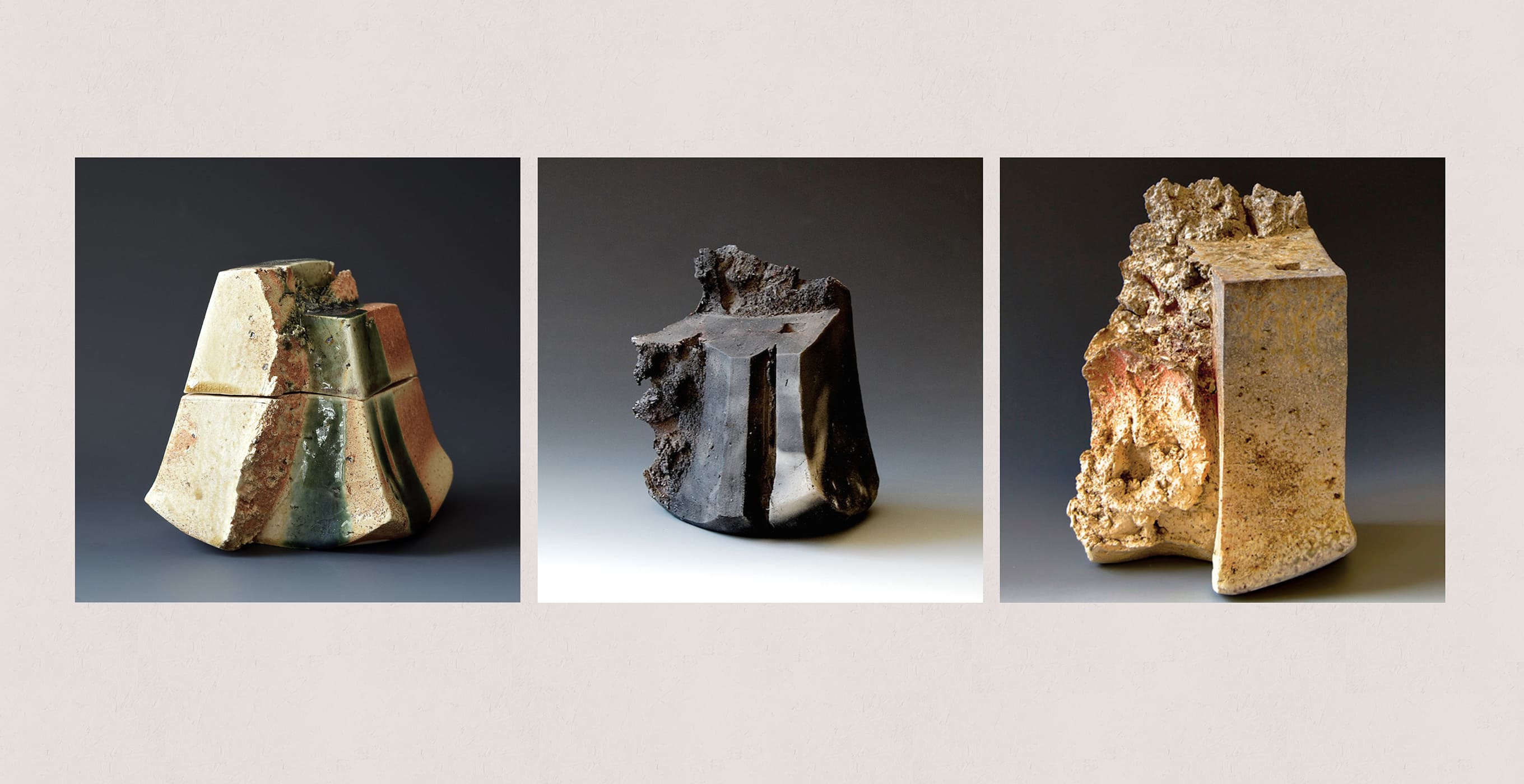
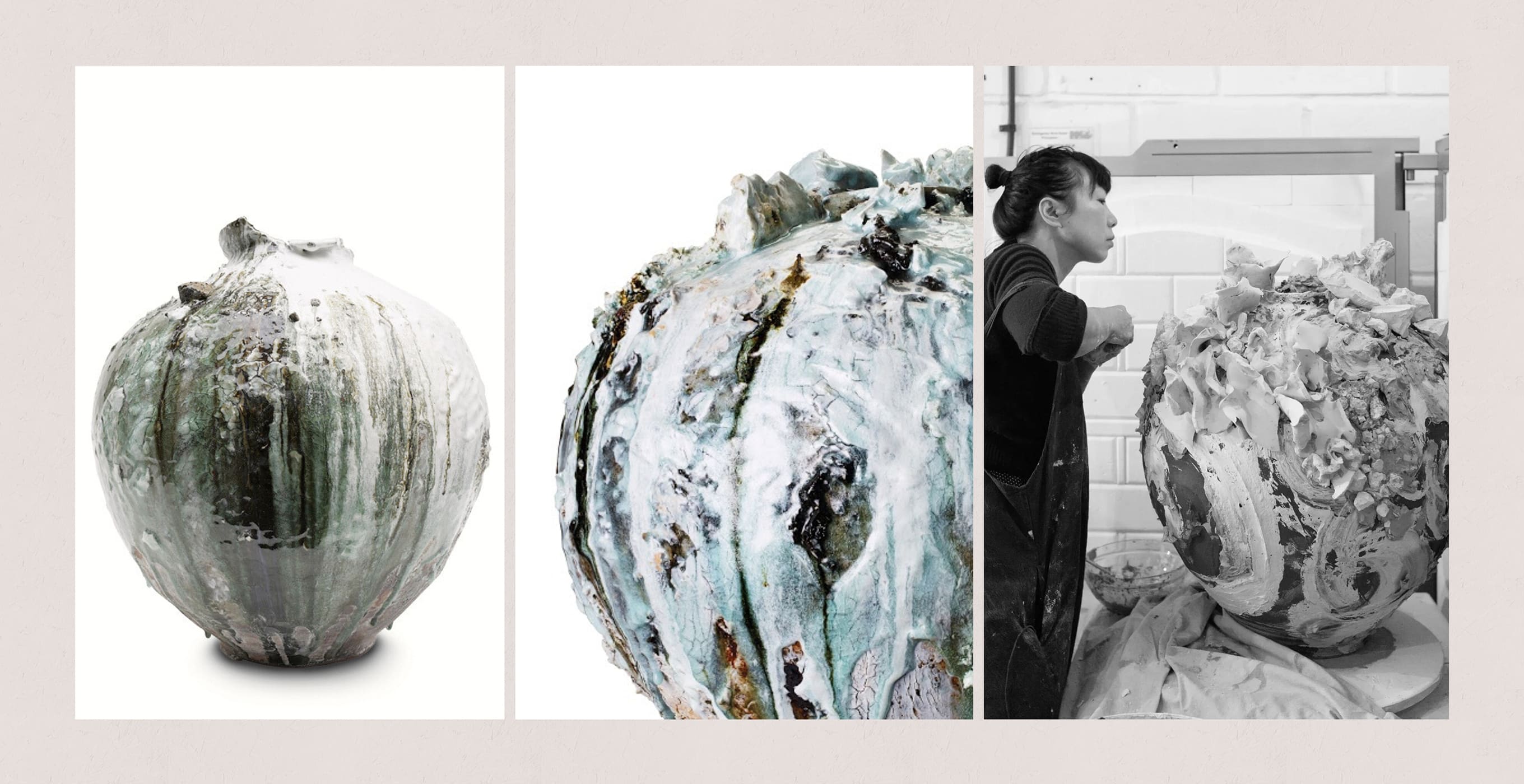
Akiko Hirai
Akiko Hirai is another Japanese master, or rather, a mastermind. Having been fascinated by ceramics since childhood, she has mastered not only Japanese but also European experience and developed her own concept of working with clay and glazes.
She does not control the materials, but allows them to manifest themselves randomly, creating the right conditions for this. Her creations are spontaneous and unconscious, therefore organic and natural.
By focusing on the interaction between the object and the viewer, Hirai’s work allows the viewer to discover the language of the objects in their own way. Some of her solutions are influenced by Korean models of the 17th and 18th centuries, others by wabi-sabi, and others by contemporary art practices. But each of them has a deep symbolism.