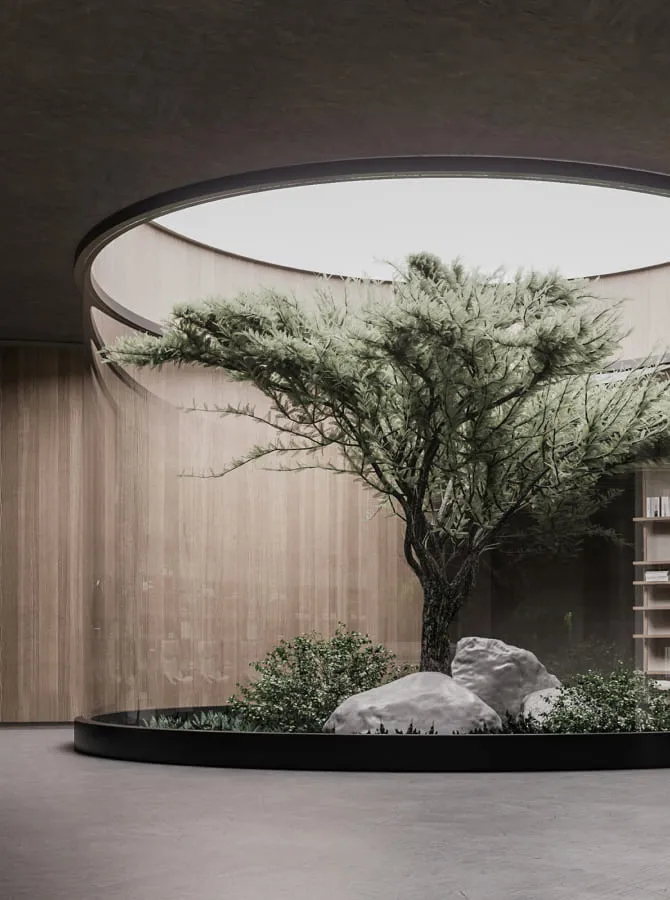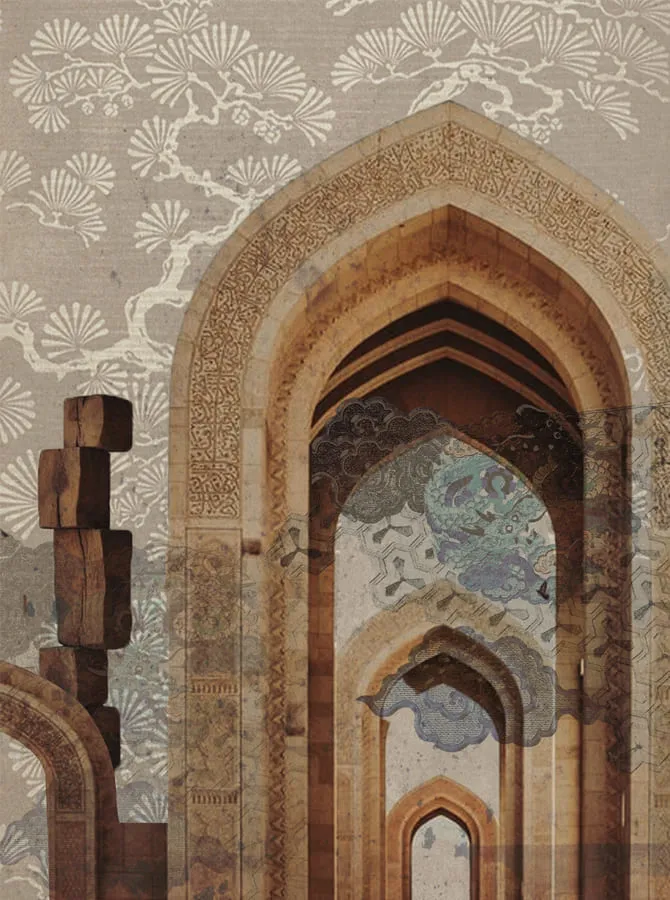
MODERN ETHNIC INTERIOR DESIGN AND ARCHITECTURE
Articles
24.08.29
Ethnics is the essence of the experience, culture and history of a particular nation, the concentrate of its soul, aesthetics and meanings. The most influential cultural centers of the past have formed their own independent visions and understandings of beauty and harmony, which were later translated into all their creative activities, from architecture to decorative and applied arts. These powerful artistic traditions are what we call ethnicity today, and, yes, it is something that continues to live, transform and influence us.
Today we are going to talk about how ethnic style in interior design and architecture can be implemented in a modern minimalist context. We will reveal the essence of the most striking national styles using the example of specific solutions. And we will prove that the concepts of “ethnicity” and “modernity” can be perfectly combined.
THE GATEWAY TO THE ARAB WORLD
The Arabian style is one of the most recognizable. Complex whimsical ornaments, tiered and multi-layered, rich textures, low furniture and constant seating areas, pillows, blankets, carpets, other handmade textiles, domed ceilings, imitation of a tent and even inlay with colored stones are all signs of the Arabian style. This is how we know it from the palaces of the caliphs in historical films and from Aladdin cartoons. And all this is true.

Less obvious features can be added to the features of this style:
– light wooden partitions with ornamented holes, installed in common spaces instead of blank walls;
– tiles on the floor, often with an intricate symmetrical pattern;
– voluminous thick curtains, ottomans and canopies with complex colorful patterns;
– multi-textured artistic colonnades and arches of complex, but symmetrical shape
– richness of accents and decorative elements.
But all this can be adapted to a modern minimalist and functional context. The love of bright spaces, large windows and high ceilings already provides the basis for this. Next: instead of wallpaper, use artistic plaster; let all the ornaments of the room be combined into a system or have a similar pattern; it is also important not to visually oversaturate the space, keeping the balance of accents and background. In addition, play with colors and textures, but choose them within the framework of similar shades and elements, so that a sense of a single composition is formed.
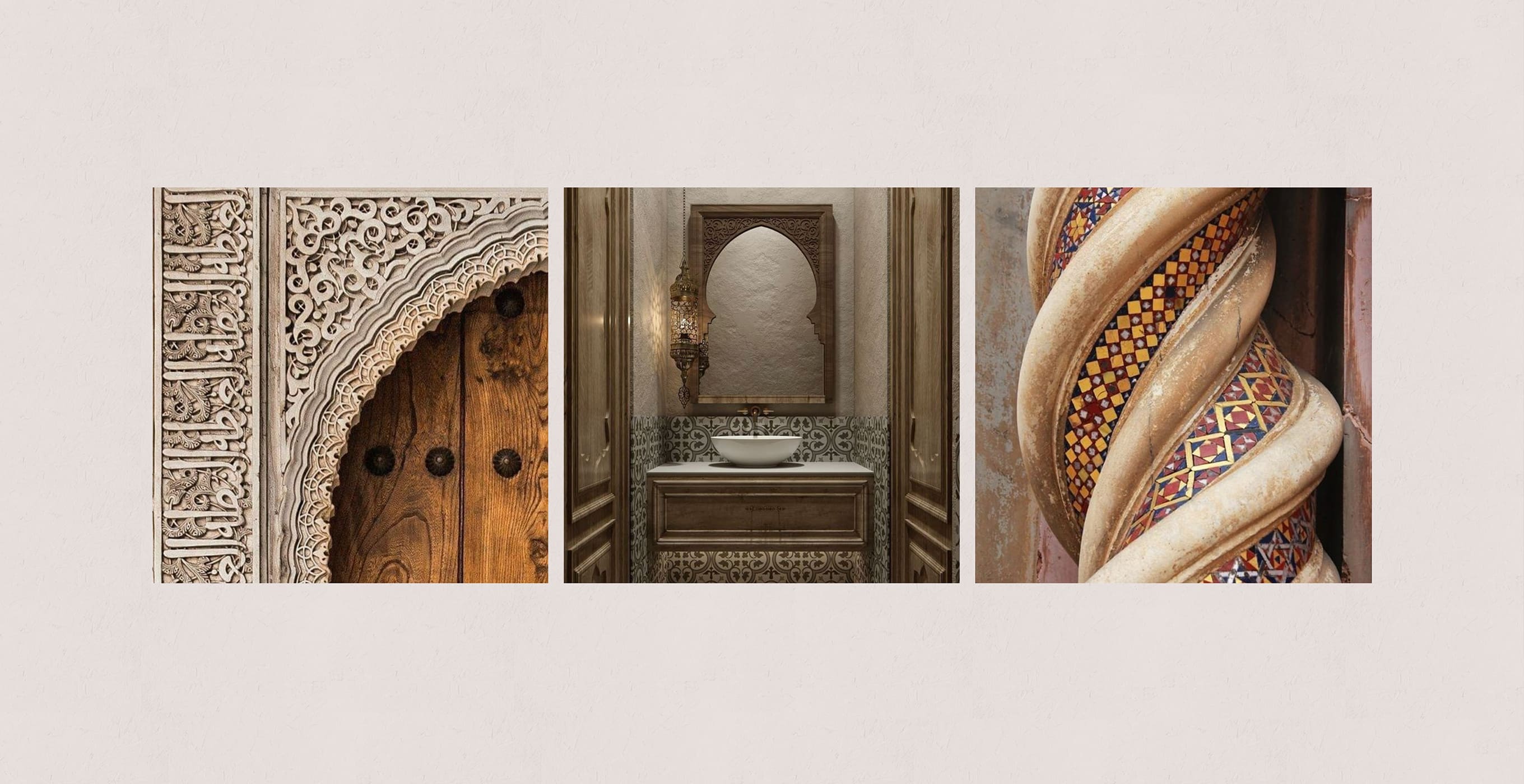
Next, let’s consider this on the principle of using a traditional Arabian element in a modern interior – the “darwaza” gate. This special shape has been familiar to many since childhood, but we rarely realize its silhouette as something inherent only in the Arab world, although it is exactly that. These symmetrical semicircular vaults can be found in many classical and modern monuments of Arab architecture, from Rumi Darwaza in Istanbul to the Taj Mahal itself. You will find them everywhere.

So, to capture the Arab interior design not only according to its rules, but also at the level of tradition and ethnic symbolism, use the silhouette of a darwaza as an arch of the front door, interior passages, window openings, and simply decorative niches in the wall.
JAPANESE FUNCTIONALISM
Paper walls and bamboo partitions are the first things that come to mind when we talk about traditional Japanese interior design. It is called “shoin-zukuri” or “cabinet style” and originates from the design of the dwellings of Zen monks and samurai of the XV-XVI centuries. It is always recognizable by its characteristic “shoji” – sliding doors, as well as window and room partitions made of translucent sheets of rice paper in wooden frames.

The Japanese interior also includes lightweight structures, transforming walls that turn the house into a continuous veranda in summer, tatami carpets on the floor, clay walls, a tokonoma niche for scrolls and ikebana, and futon mattresses that unfold on the floor for sleeping.

Interestingly, it’s quite easy to modernize the traditional “cabinet” style, as it was the forerunner of modern minimalism. Therefore, the roots of German architectural and interior functionality come from Japan, among other places. So, this medieval beauty still looks modern, but the effect will be simply fantastic if you equip it with digital solutions and smart home systems.
The common space of a traditional Japanese house is usually divided by a “byobu”, a light Japanese screen. After all, the hall should be multifunctional: on one side is the master’s office, for example; on the other is the living room, where guests are received. And in the evening, the screen is removed, the tables are moved and futons are laid out, thus turning the room into a bedroom.
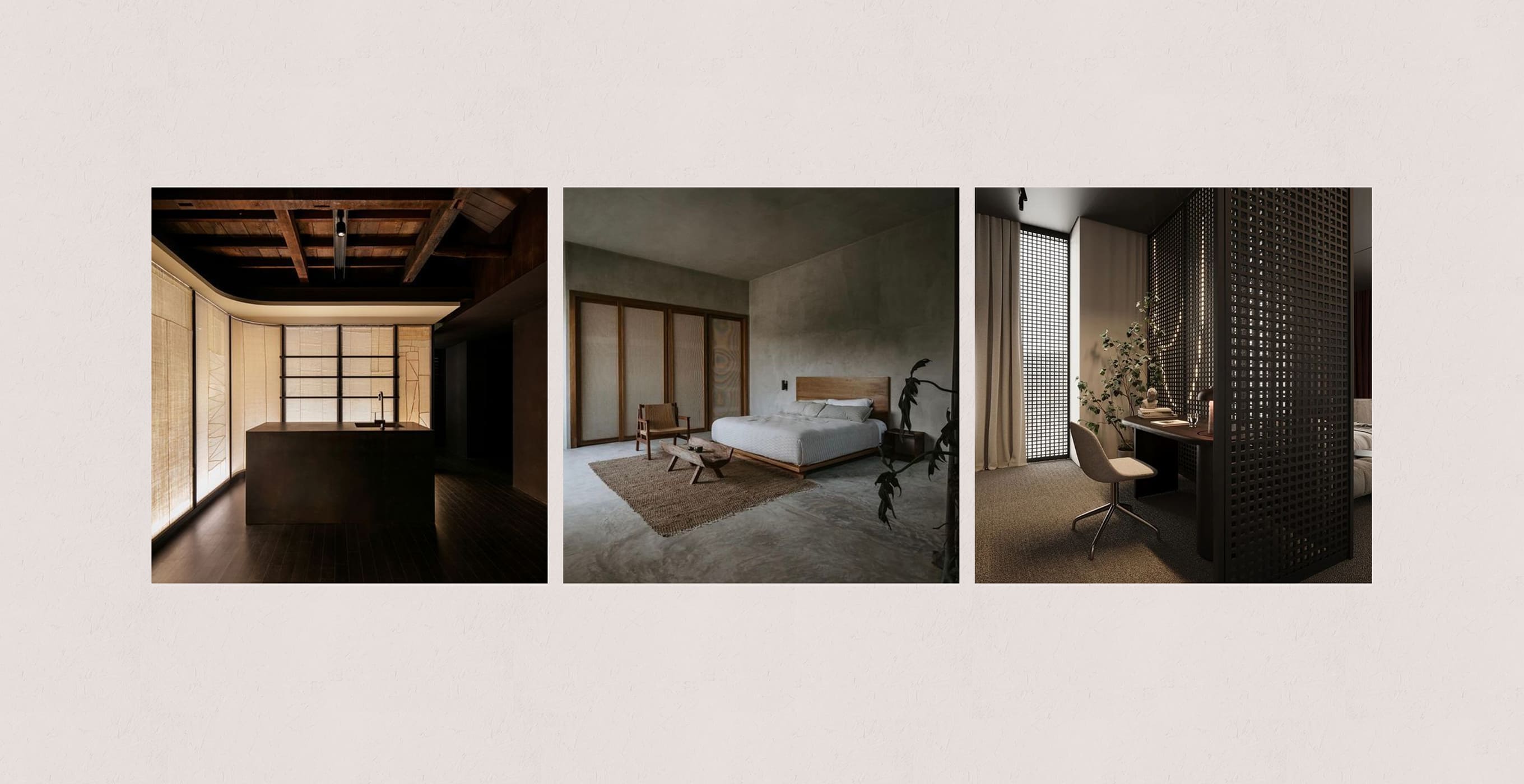
So if we automate this principle of adaptability and transformability of each room, we get a modern Japanese design with a deep ethnic basis. A screen with a remote-controlled automatic door closer, transforming furniture, adaptive mattresses with various settings, smart lighting systems with several modes, auto-tinted glass, climate control, etc. Modern Japanese interiors reflect the most important feature of the Land of the Rising Sun – a perfect mix of tradition and innovation.
THE LIGHTNESS OF THE MEDITERRANEAN
The houses of the inhabitants of this vast region have long been created on the principle of “home only for the night”, so they were made small, open to the air, but protected from the scorching sun. Therefore, in most regions, white plaster was used on the outside (to reflect the sun) and inside (to keep the room bright even with the windows closed).

The floor should be marble as a standard, granite or even ceramic tiles are also suitable. But the rest of the decoration of such a house can be simple and inexpensive, with wood and vines being useful here.
The color palette is white, blue, beige and brown. Mostly calm light shades with sometimes fragmentary accents of turquoise, yellow or orange.
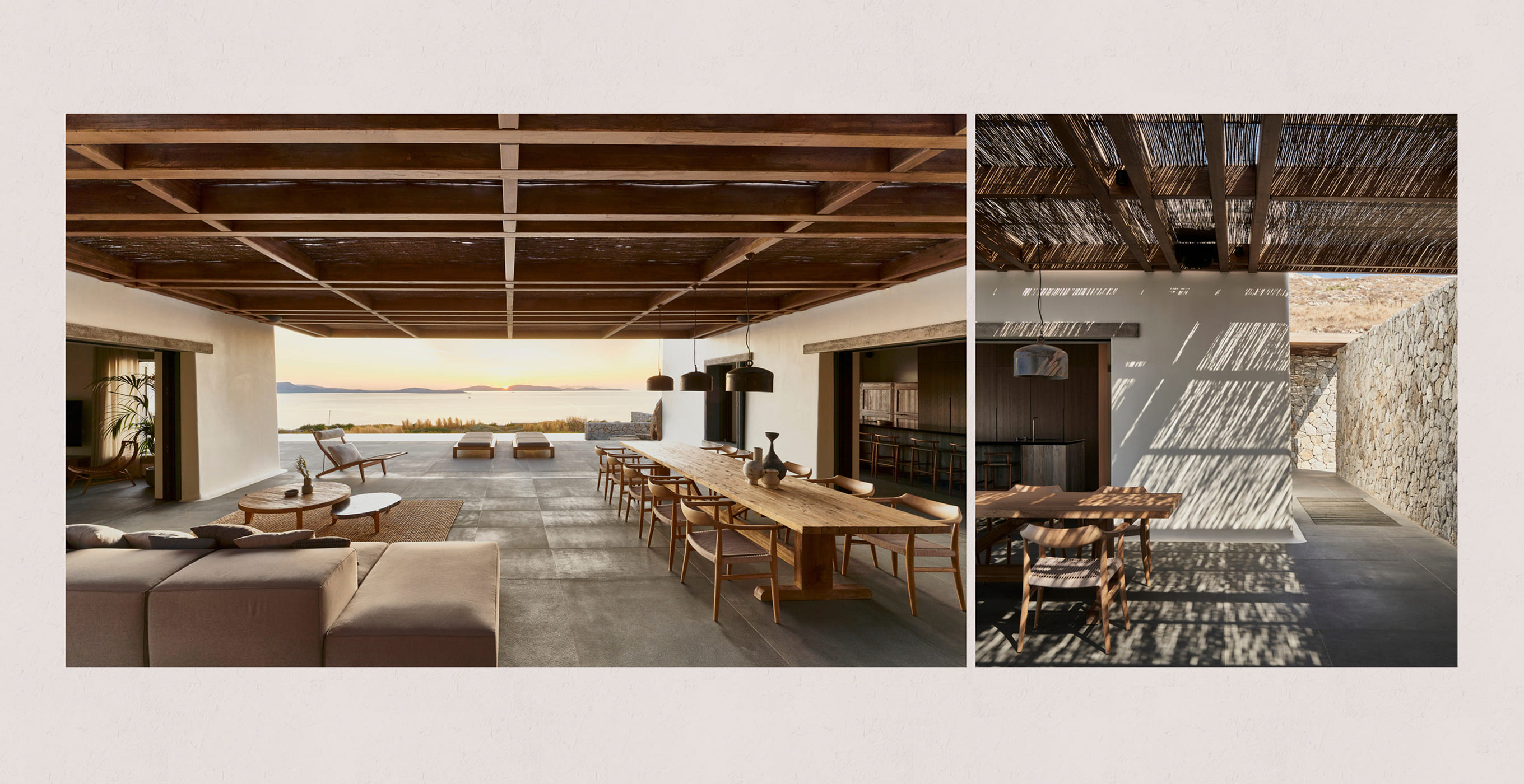
The Mediterranean interior is the essence of a simple afternoon rest between work, where the house is a pleasant refuge for an hour of siesta, not a permanent fortress. So let’s talk in more detail about the material that inspires all this fertile idyll – wood.
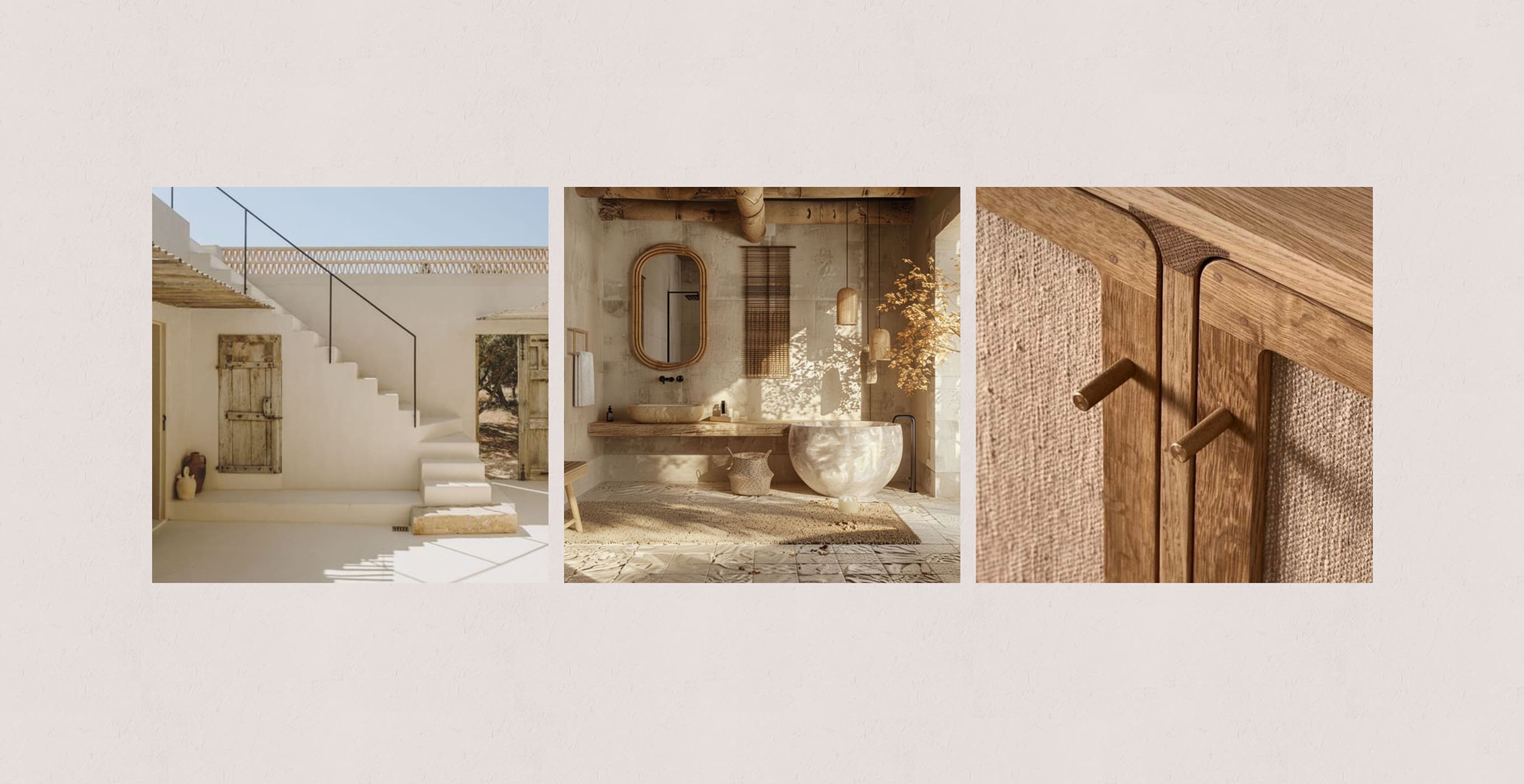
Modern houses are built around steel structures, but if you decorate the ceiling and wall corners with wooden beams, it will create the feeling of a traditional Mediterranean house with a wooden base. Lightweight wooden furniture will come in handy, and you should add various wooden niches and slopes, such as window shutters, light partitions on the terrace, shelves, paintings in wooden frames, other decorative elements, and even wooden lamps. All of this will look great and give you that feeling of lightness and naturalness that Mediterranean culture is so appreciated for.
A MODERNIZED UKRAINIAN TRADITION
Ukraine is a country in the very center of Europe with its own unique ancient traditions. It is here that the Trypillian culture, the mother of civilization, the most developed at that time, emerged thousands of years ago. This unique historical and cultural experience, geographical location and geological potential contributed to the development of a special Ukrainian art, the basic material of which was clay.
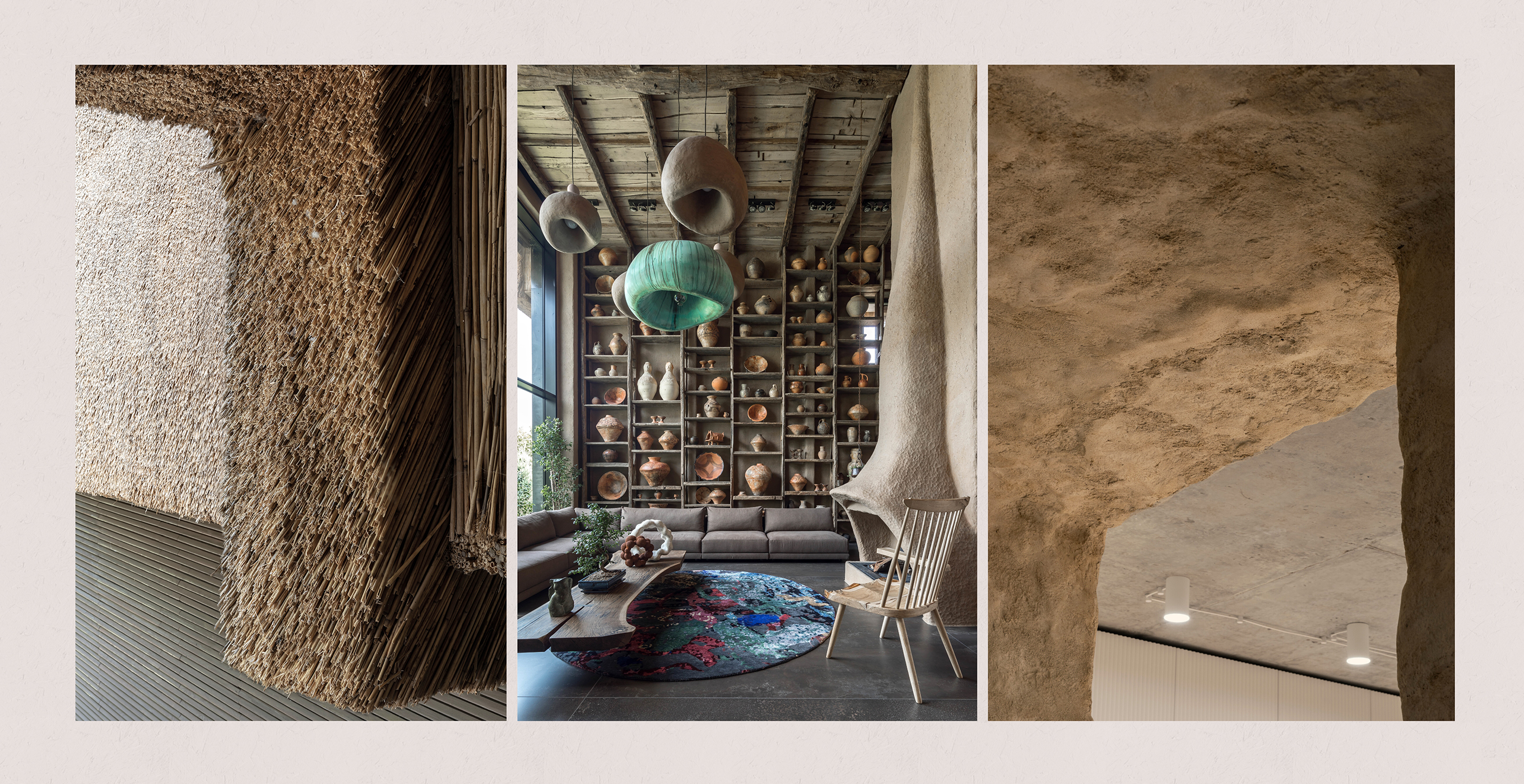
Therefore, a traditional Ukrainian hut had many clay and ceramic elements – from the walls themselves, the stove-fireplace and places for lying down, to dishes, toys, decorative and ceremonial jewelry. Along with clay, other natural materials were also used: wood, reeds, straw, shingle, shell rock, and sometimes sand and stone.
Also, they did not forget about various textiles with characteristic local paintings or embroidery: carpets, curtains, tablecloths, linens, and especially towels.
Still, clay remains the key element, so when we talk about the modern Ukrainian design, we should keep this in mind. A unique invention of Ukrainians is mazanka, when the walls of a house are created and decorated with different types of unfired clay with the addition of hay, straw, wood husks, and other organic elements. Such walls made of “living” clay maintain a perfect hygroscopic balance in the room, protect against pests and even radiation and electromagnetic waves. This is a scientific fact.
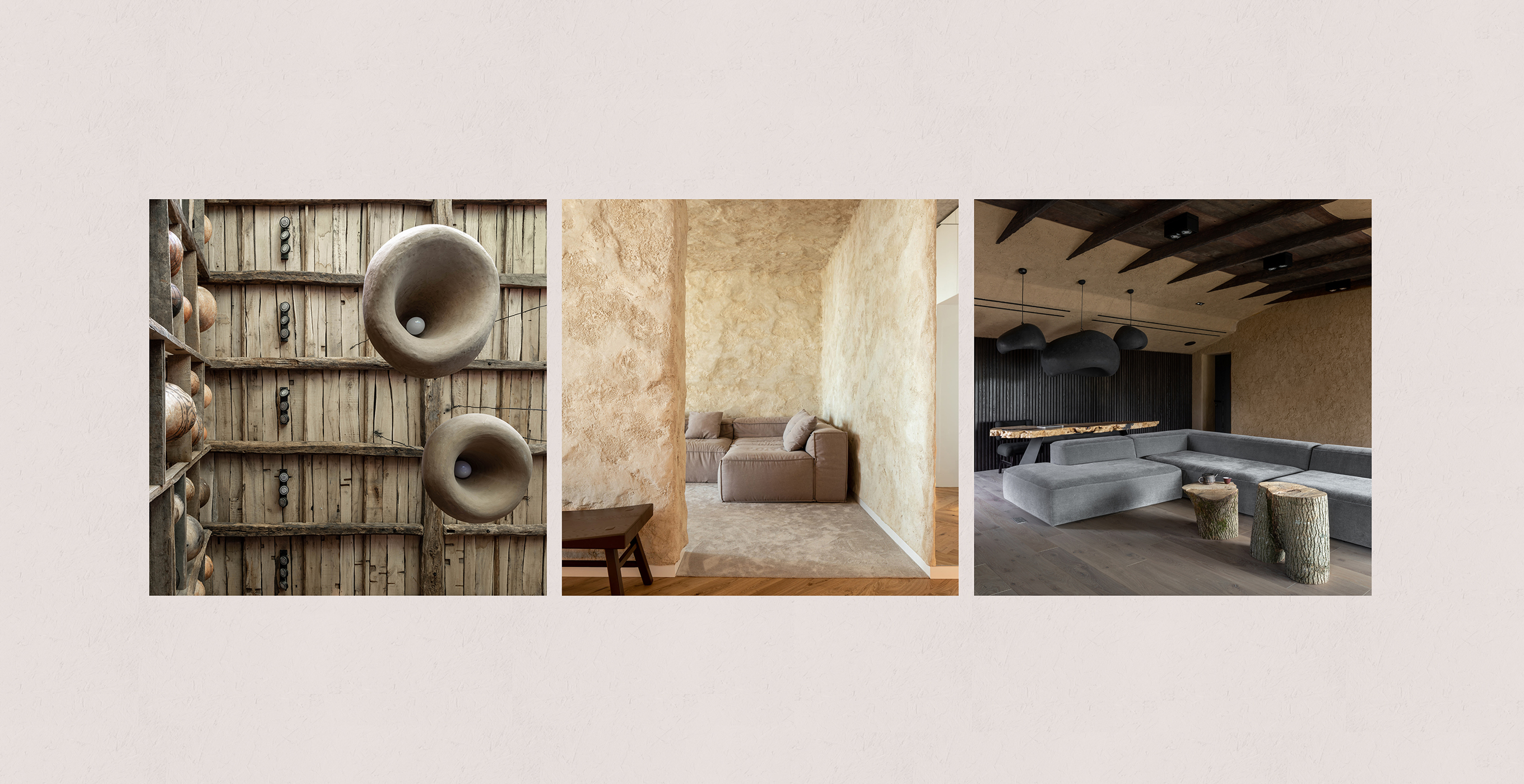
If you add medicinal herbs and plant seeds to the solution, you will notice a subtle aroma of essential oils and this will have a recreational therapeutic effect. That’s why it is said that in such houses “even the walls are healed”.
It is not easy to create a modern mazanka, as it requires in-depth knowledge and research of the tradition. But the Ukrainian studio MAKHNO is already implementing similar projects around the world, and the demand is only growing.