7 PRINCIPLES OF ART DESIGN: HOW TO TURN YOUR INTERIOR INTO ART
Блог Сергія Махно
25.01.08
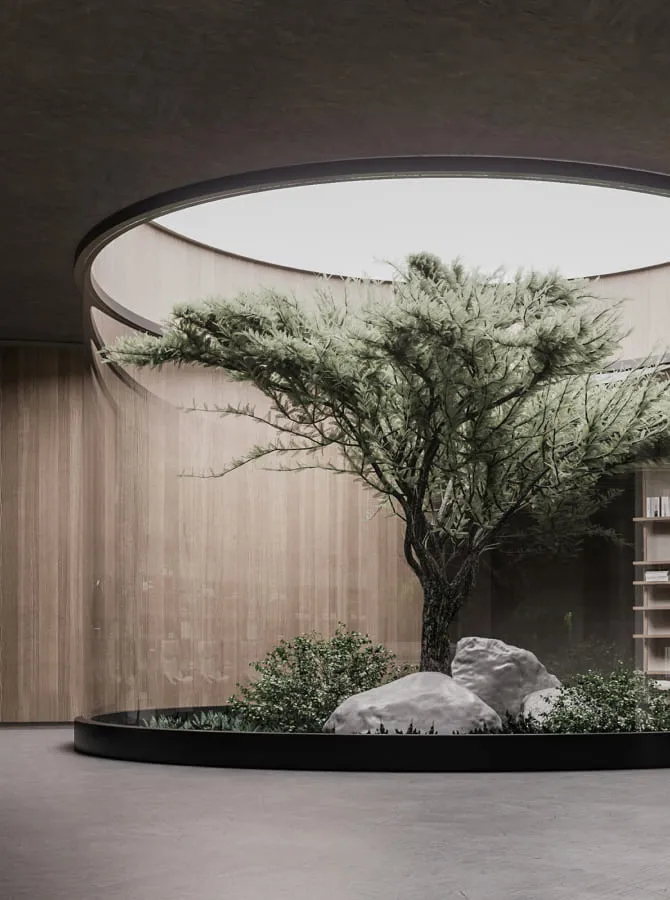
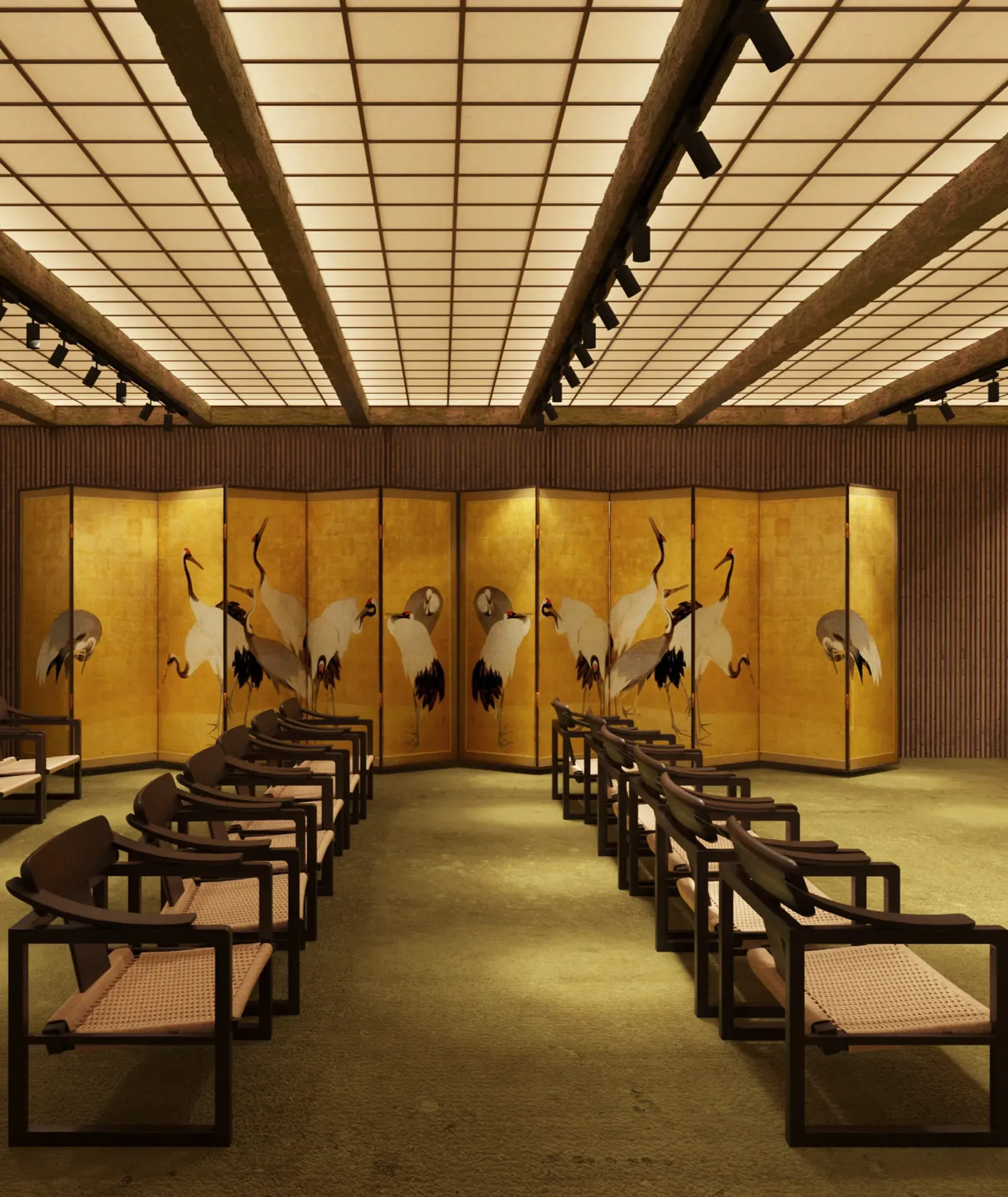
Among the variety of design ideas, there are those that go a little further than a successful design solution or perfect functionalism. The ones that go beyond the physical world and begin to influence feelings, evoke emotions, and convey meanings. This is how design turns into art.
“MAKHNO is no longer design, but art” people often say about the interiors created by our studio. As visionaries and innovators, we are supporters of art design, so we always emphasize the artistic component in our creations.
But what is this artistic design? What principles is it based on? And how can you turn your home space into an art space? That’s what we’re going to talk about today.
I. YOUR PERSONAL MEANINGS
Art is an individual path. It is a special and unique creative prism of a personality through which he or she comprehends the world around him or her. So it is not surprising that art design is a design about your individual meanings, feelings and emotions. Design is about your personality.
So, in order to create an artistic interior, a close ideological interaction between the designer and the customer must occur. This includes not only a detailed brief, but also additional in-depth interviews, joint creation of moodboards, etc.
So, if you are interested in artwork as a client, you should bring together your vision and sense of “your personal” art – what drives you. This will greatly help the designer find options that will reflect your personality in artistic techniques.
If you are an interior designer, try to establish a deep emotional and psychological connection with the client, let them trust you and tell you about their wildest ideas and desires for the place they would like to live in. Turn the process of creating a future project into a joint game in which the client will relax and let their creative self go free. An understanding of personal and communication psychology and algorithms for conducting in-depth interviews will help you here.
II. NON-TRIVIAL FORMS
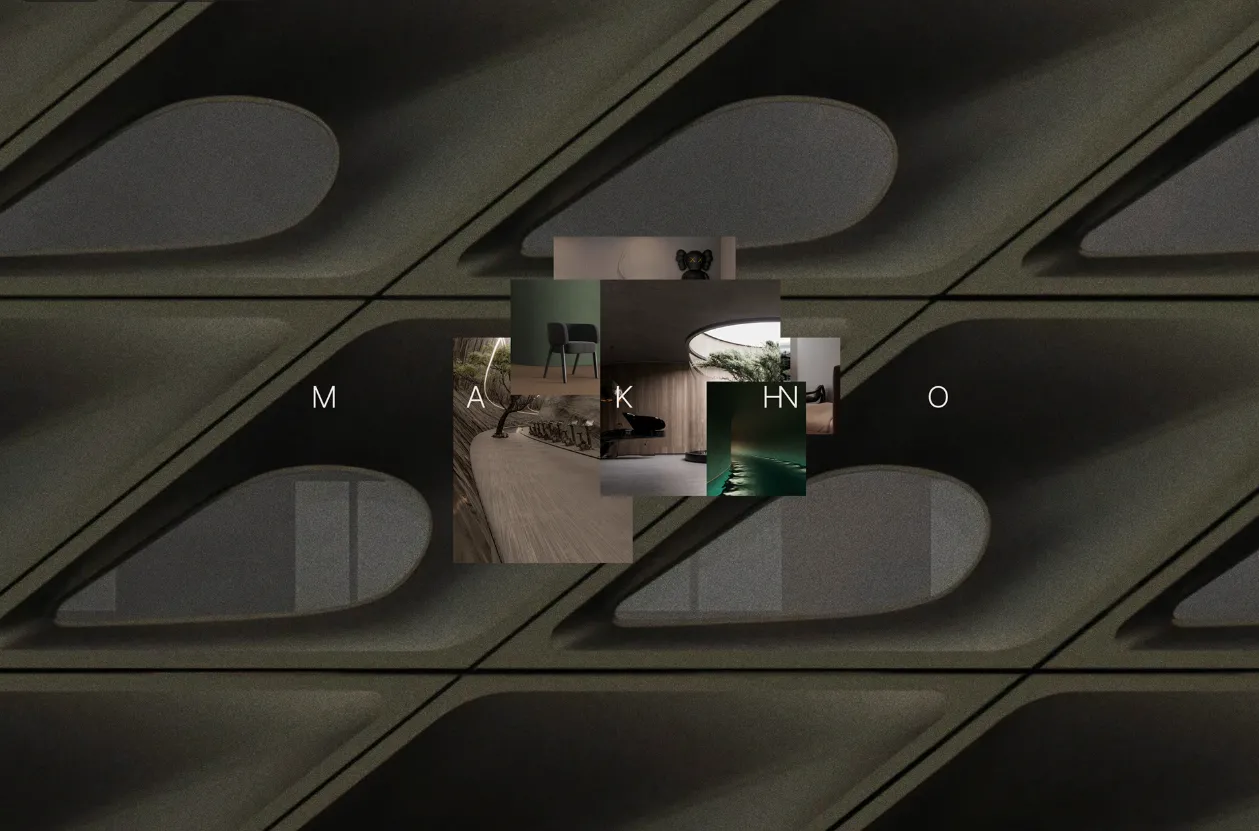
Art design goes beyond geometric precision and traditional forms. It is precisely about avoiding the most obvious/banal/traditional solutions. When a designer consciously chooses a non-standard move where most would choose the obvious path.
Instead of the usual furniture or decor, you choose objects that provoke reflection and interpretation.
Art design is based on intuition and the rejection of traditional rules of symmetry. This adds dynamics and artistic disorder, and ultimately creates a sense of liveliness. This is how unusual elements appear at the heart of projects, such as sculptural walls, natural-morphic furniture, or futuristic prints that break conventional norms and turn functional elements into art objects.
This makes the project unique and unpredictable.
III. EXPERIMENTS WITH MATERIALS AND TEXTURES
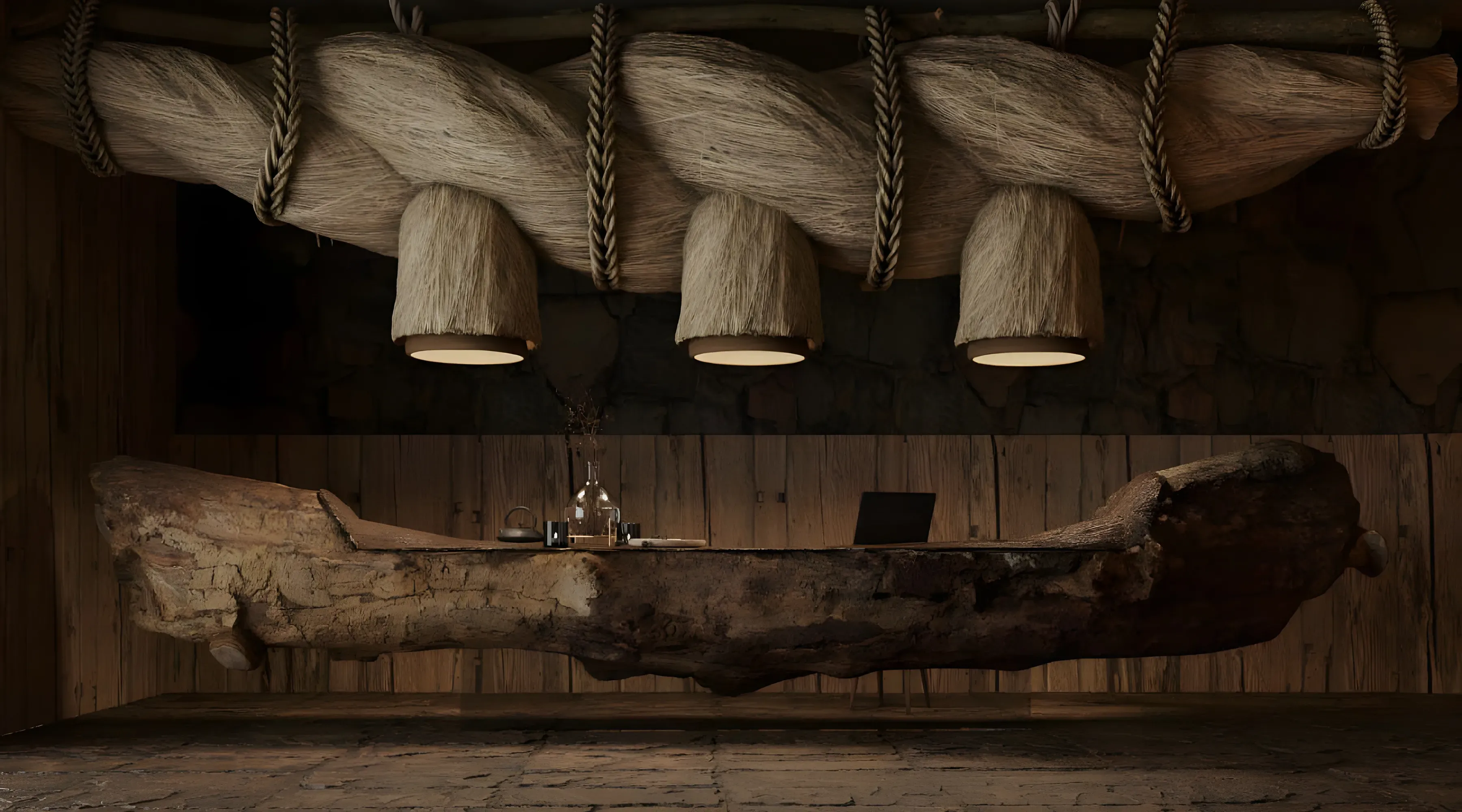
In order to create art interiors, you need to study the characteristics of materials and their interaction with each other. Understand the possibilities, visual and tactile characteristics of materials in their various states. Feel how they combine, complement, and emphasize each other, and look for the most advantageous or unexpected successful combinations.
Bold use of clay and artistic ceramics, visual play on the natural texture of wood, roughness of stone, texture of metal or concrete – all these are not just elements, but, so to speak, amazing colors in the hands of an artist. Their skillful use and creative combinatorics will allow you to create an artistic space that will evoke emotions at the deepest level. It is no longer just an intellectual game, but a real sensual experience.

ІV. ACCENTS
This word alone can turn an ordinary interior into an exciting space. Moreover, with the help of simple design techniques that do not require anything but a drop of creativity.
Imagine that you are creating a familiar traditional interior, but in one of the nooks and crannies you radically change the color to make it definitely attract attention and arouse interest. Imagine that you integrate a visual idea, such as a yellow circle, into an ordinary interior, turning it into a pattern that will appear in various unexpected places: a yellow rounded carpet at the threshold, a yellow rounded niche in the living room, a nightlight of the same shape in the bedroom, etc. Imagine replacing some traditional element of an ordinary interior with an unconventional one, for example, wallpaper made of love letters on the wall by the bed. All of these are examples of small and simple accents that can turn any bland interior into an artistic marvel.
V. CONCEPTUALITY
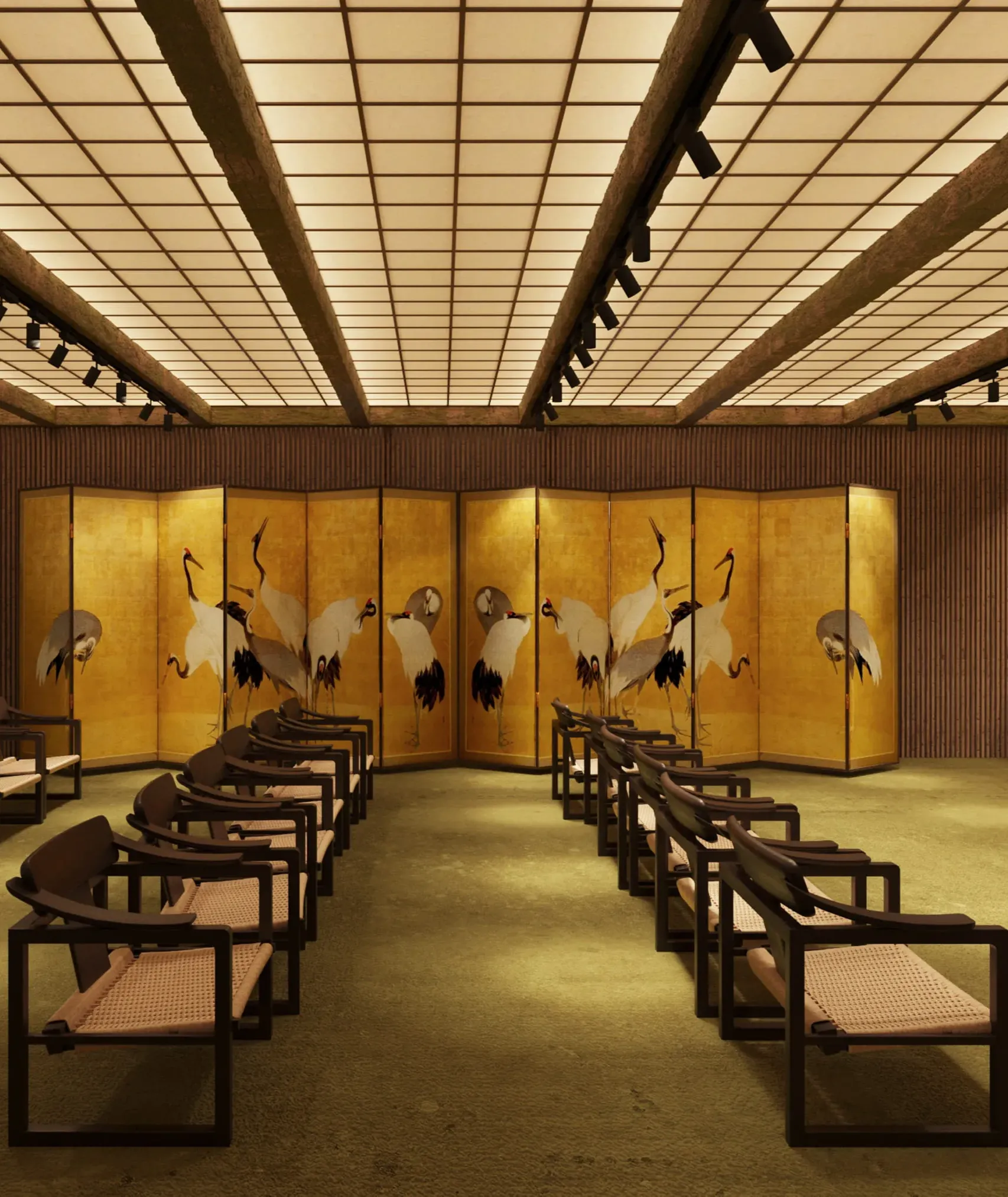
This is about deep meaning. After all, art is, first of all, an idea.
Which is then transformed into a form. So it’s important to say that an art interior is an interior that has a real holistic idea behind it, and it can be described in words.
Here, each element has its own meaning, which goes beyond the functional and intuitive. It can be a philosophical or aesthetic paradigm, cultural heritage or symbolism, an allusion or reflection on a specific image. This approach endows the interior with artistic value, because every detail has its own meaning in the overall ideological ensemble, and everything is here for a reason.
So it can be Ukrainian wabi-sabi or Arabian futurism, oceanic motifs or an ode to space romanticism, greetings to the world of Tolkien or Primachenko. The main thing is that it has an idea.
VI. SIMPLICITY AND IMPERFECTION
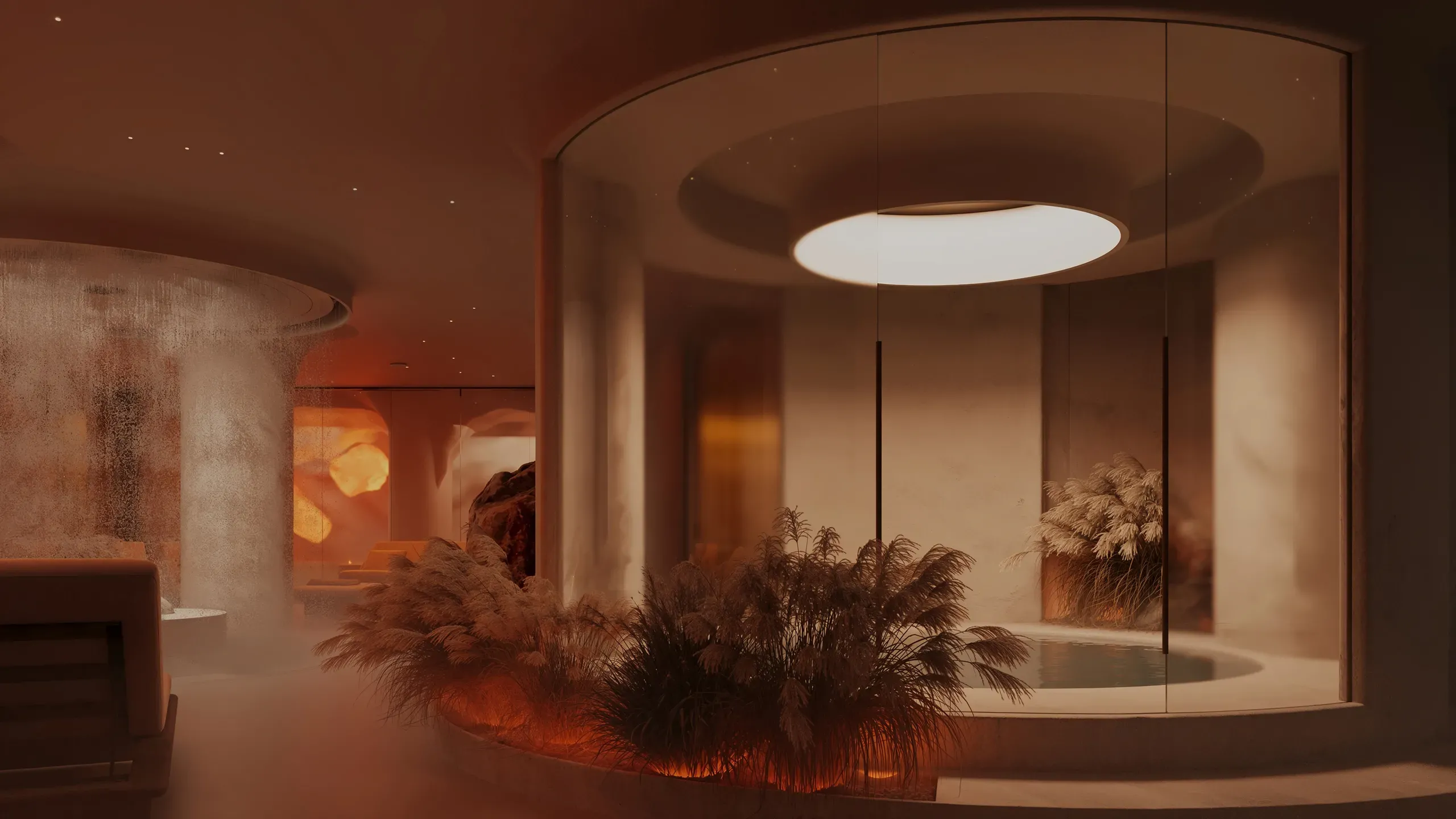
When we say “interior design”, we imagine something complicated, twisted and intricate. But what an ecstasy a designer feels when he realizes that the original simplest “bare” forms often produce a much more violent effect than far-fetched complicated concepts.
Bare, unhewn stone instead of a cabinet leg, uncoated gray concrete walls, a tabletop made of unpainted stained oak trunk, ceramic lamps of any shape with the master’s fingerprints – when you see this, your mind explodes, because you are used to the refined and overcomplicated. It has already forgotten about the living and imperfect, and this has a powerful effect on it.
So keep this principle in mind when creating your artistic designs.
VII. HANDMADE
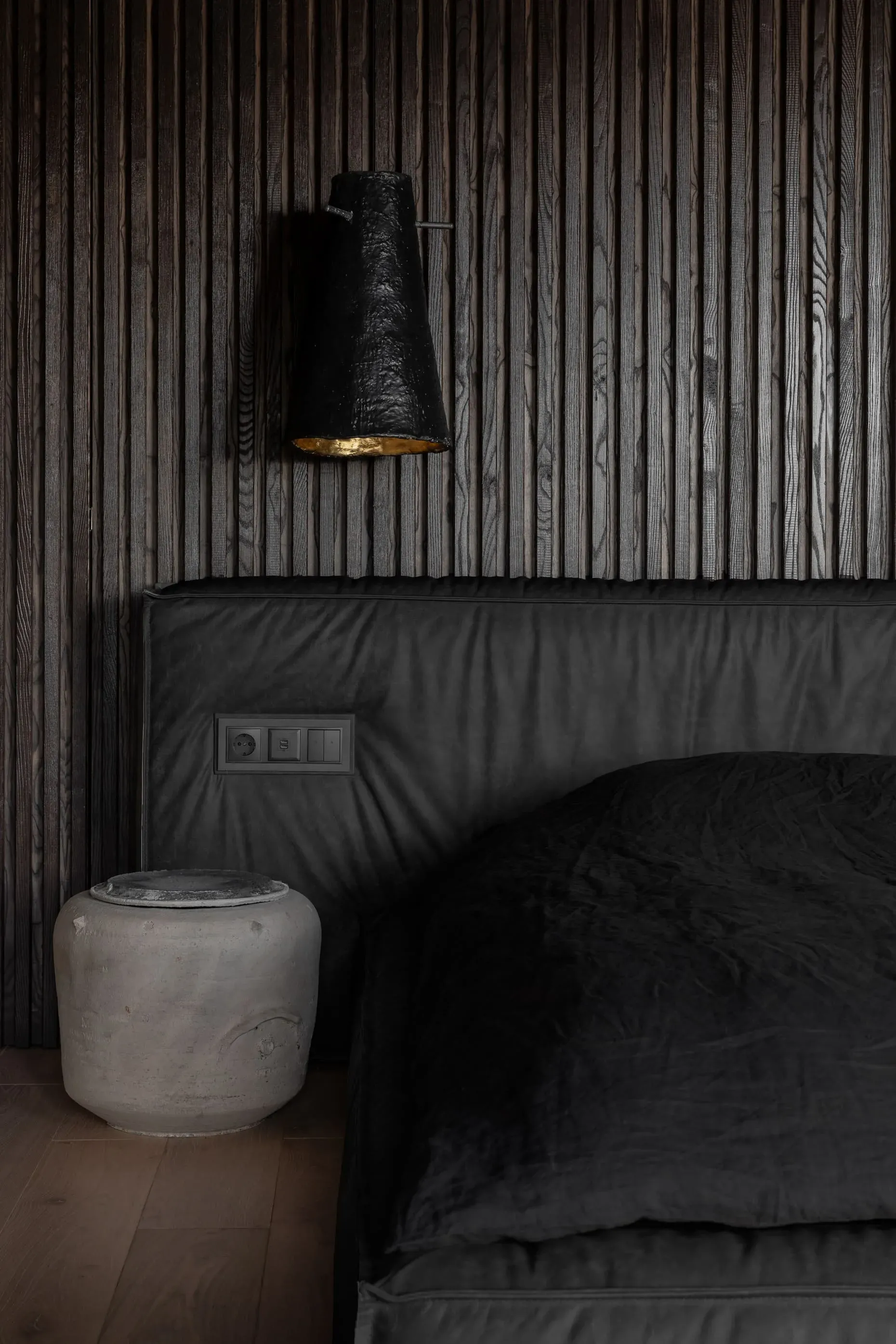
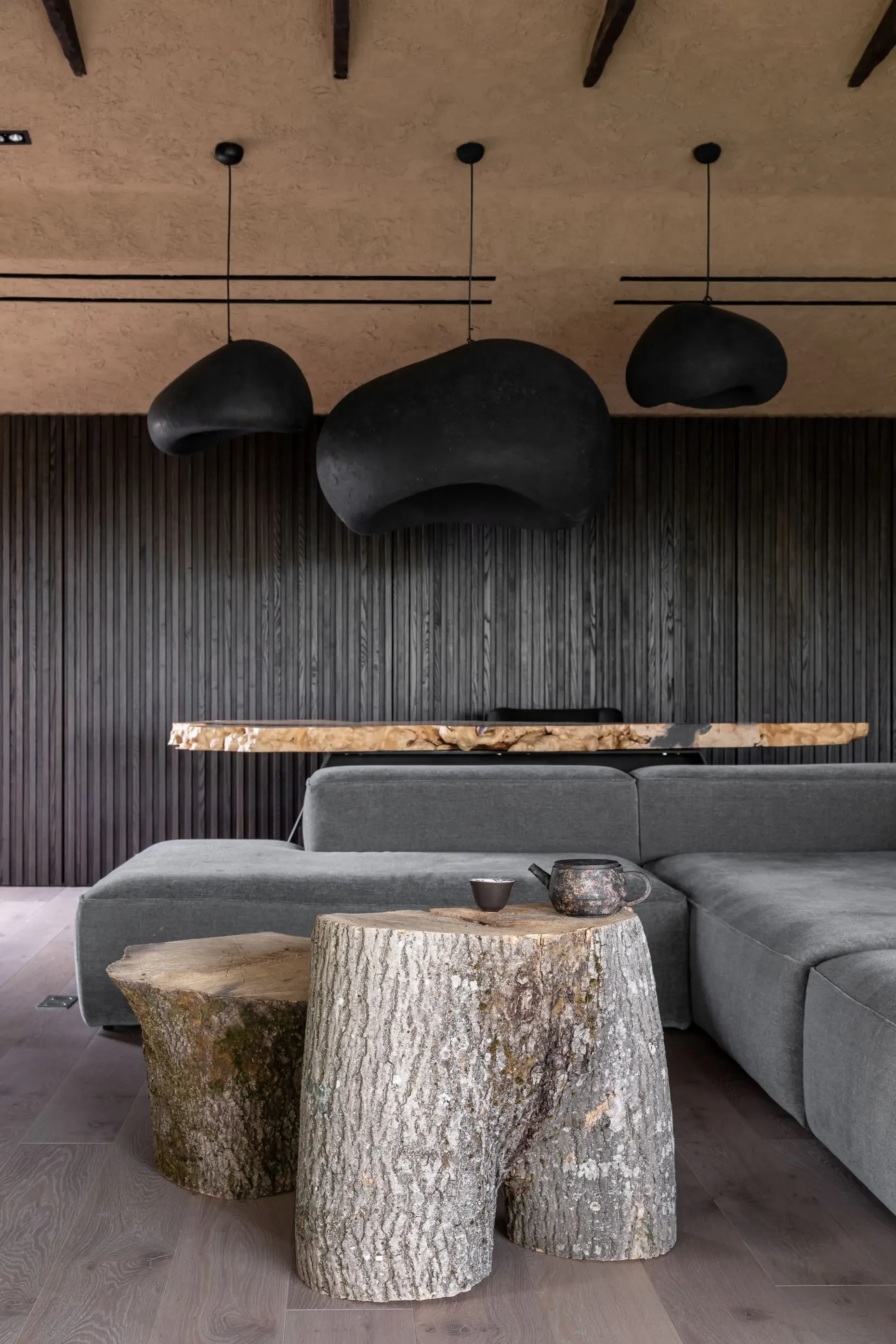
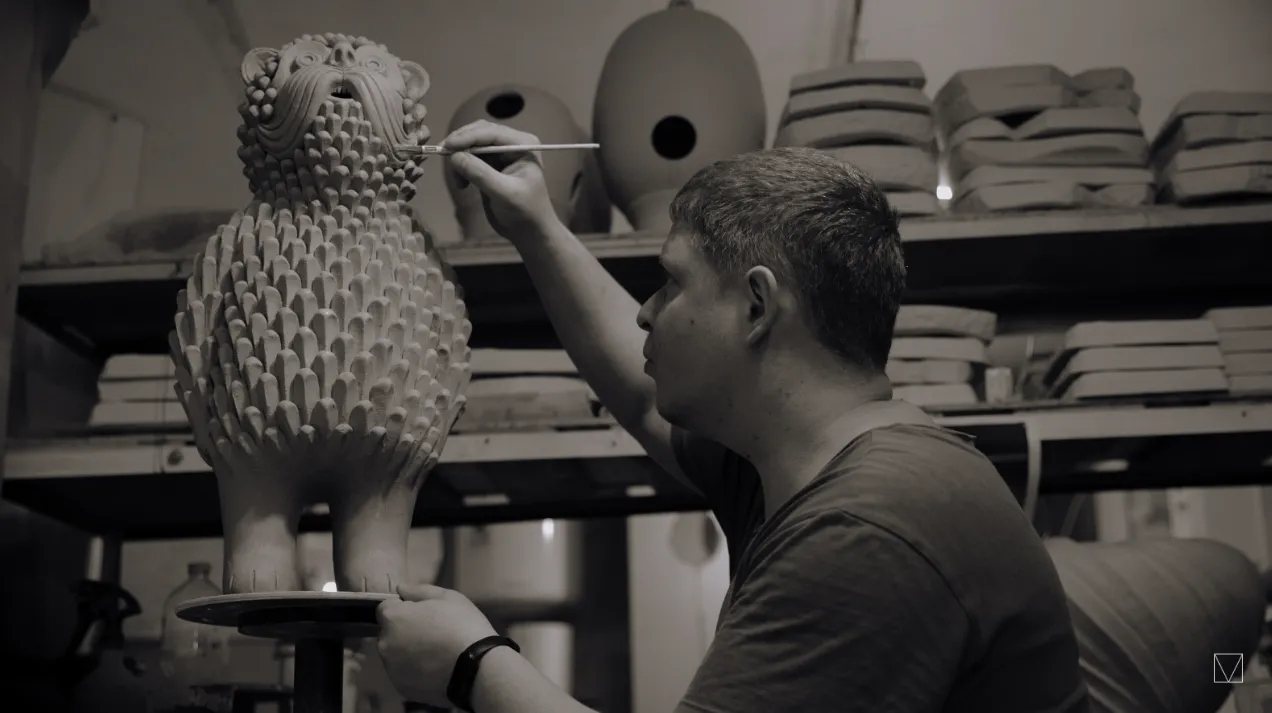
Handmade decor and crafts are mandatory elements of an artistic interior, because they are always more than a function, and this is the main principle of artistic interior design. These objects are created by a craftsman, an artist, a creator, so they are devoid of the visual stampede of machine production, they have a soul and uniqueness.
They also have a kind of historicity, geographical and cultural context – all this creates layers of meanings and space for an emotional response around such objects. And this is what art design strives to achieve in your mind.
VIII. REAL ART OBJECTS
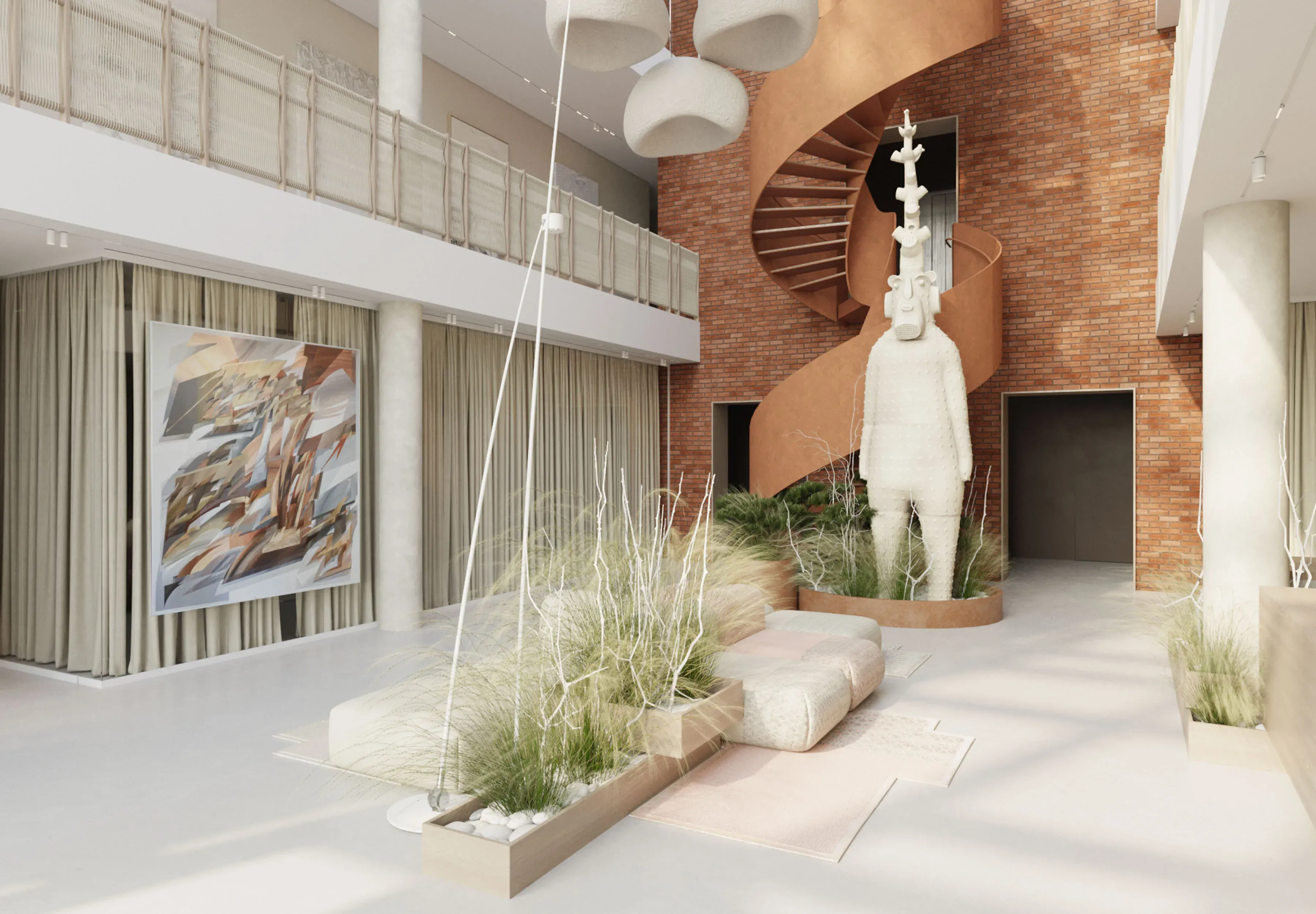
The most obvious thesis was saved as a bonus, but this article is impossible without it. Of course, an art interior can be built around real art objects: sculptures, paintings, decorative elements, etc.
A special place here is occupied by the collectible art of recognized authors, which has an investment value in addition to artistic value. Such objects can become a kind of center of a design composition. The same applies to antiques, unique and extraordinary artifacts, and objects of historical value.
You can integrate these “star” elements into your art design as accents or as ordinary parts, or you can build everything around them. Another interesting option is to integrate art objects into old, traditional or classic interiors. In this contrast, they will look like something alien and more significant. And it is this discrepancy that will create an extraordinary artistic effect.
So, we wish all designers to feel like real creators as often as possible, and we wish their clients to turn everyday life into the art of living.