6 INNOVATIVE IDEAS AND CONCEPTS OF HOTEL DESIGN
Articles
24.07.10
Every year, the hospitality industry becomes more and more creative and ready to satisfy any whims of the visitor. Now a hotel is not just a place to stop, but a source of unique experience, where the visual component, i.e. design and architecture, becomes almost the most important.
Today we look at a few surefire trends that today’s luxury hotels and resorts use to create unique experiences and keep you coming back.
We call them innovative because the desire to stand out and be special drives people in any industry forward to discoveries. And ultimately a game changer.
ART ACT
Away from the serial and opportunistic, time for the unique and atypical. No more standard, time for creativity. To turn life into art, you should start with space and transform it into an art space. The smartest players in the hospitality market have already begun to follow this logic and create unique gallery and museum hotels.
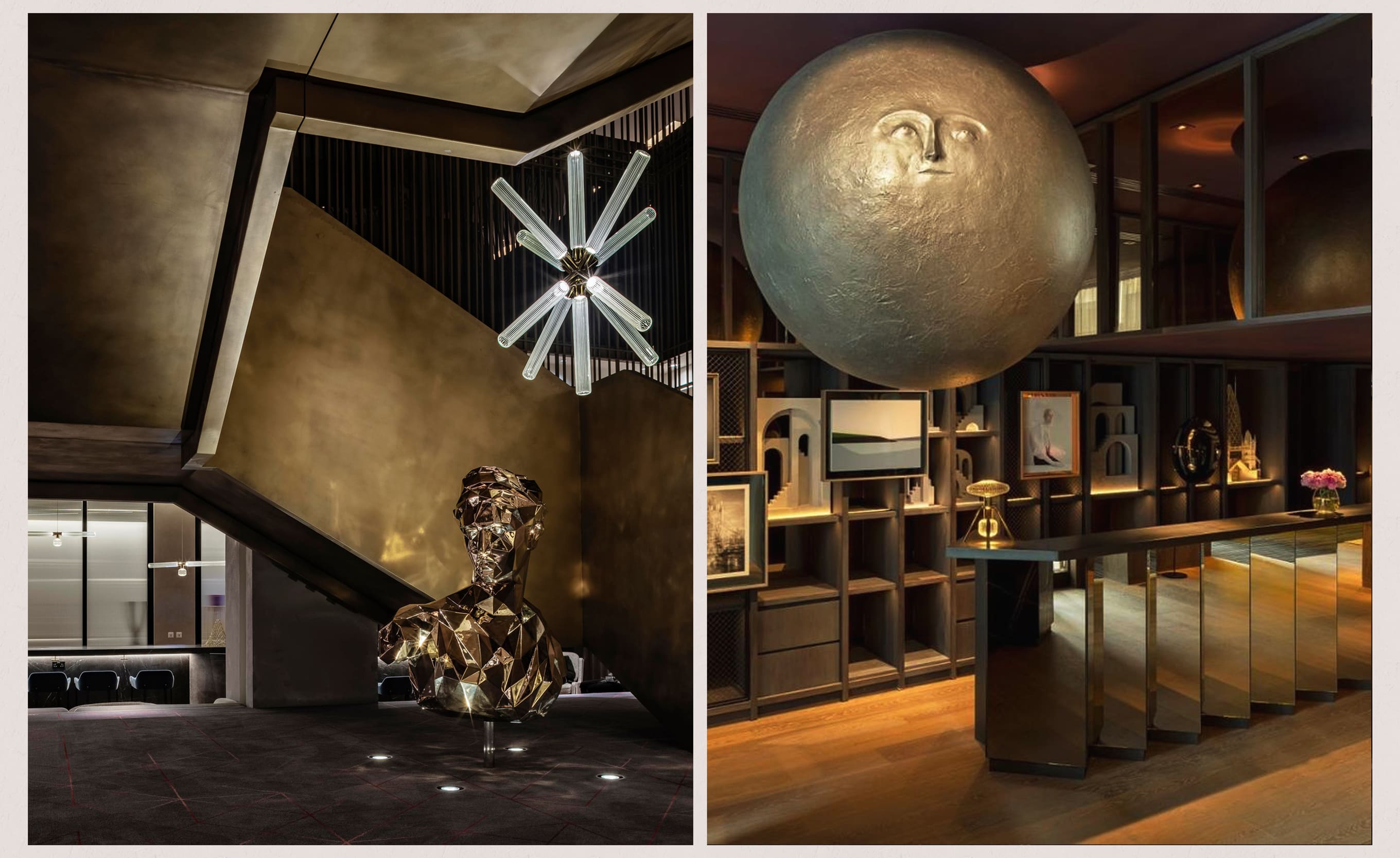
Places where you are surrounded by handmade beauty, visual boldness, and modern conceptualism – all this is about the pioneers of this concept. Imagine that a painting by a famous artist of the last century hangs in your room, an art installation by a contemporary artist in the lobby, and table sets in the restaurant are decorated by hand. This is what awaits you in places with this approach.
To realize a unique project with an art concept, you should team up with art centers, museums, or galleries and invite them to exhibit part of their collection in your walls. You can also organize an exhibition yourself. In your rooms and common areas, set aside areas for art objects: accent walls for paintings, corners and islands for installations. Don’t forget about the little things – cutlery, soap dishes, and other items can be hand-painted and can also be craft artifacts. Let everything in your hotel reflect creativity.
For example, The Londoner – this hotel, social and creative center in Leicester Square has a permanent art exhibition in partnership with the National Gallery and the Serpentine Art Centre. Here, guests marvel at hand-painted murals by New York studio En Viu, sculptures by Glasgow-based artist Zachary Eastwood-Bloom, and in-room surprises such as expertly preserved letters from celebrities and politicians. The hotel also offers additional bonuses for its guests, such as invitations to various art events, discounts to London Fashion Week, and tickets to the best West End performances.
IMMERSING IN LOCAL CULTURE
Gone are the days when the hotel was a symbol of globalization, and in rooms on different continents you could find the same interior. Now hospitality is embodied in a unique experience that can be obtained only in a specific point of the world. Local curiosities for the attention of visitors.
Feed alligators or attend a Bushman wedding, live in a wigwam or in the chambers of a Chinese emperor – the pioneers of this concept offer the most amazing local entertainment and aesthetics. We are sure that any place can offer something different, special, and unique. Then the question is only about creative hotel design.
To create a hotel with a local accent, you should first study the area, its nature, culture and history. Understand what makes this area stand out from the rest and what aspects of it might be most interesting to guests. Once you have found such interesting things, translate them into all areas of the project – from the style of the website and signage to the design of hotel rooms and the activities you offer. Use local materials and local stylistics in your decor. Create colorful accents with items that can be found in local antique shops and vintage display cases.
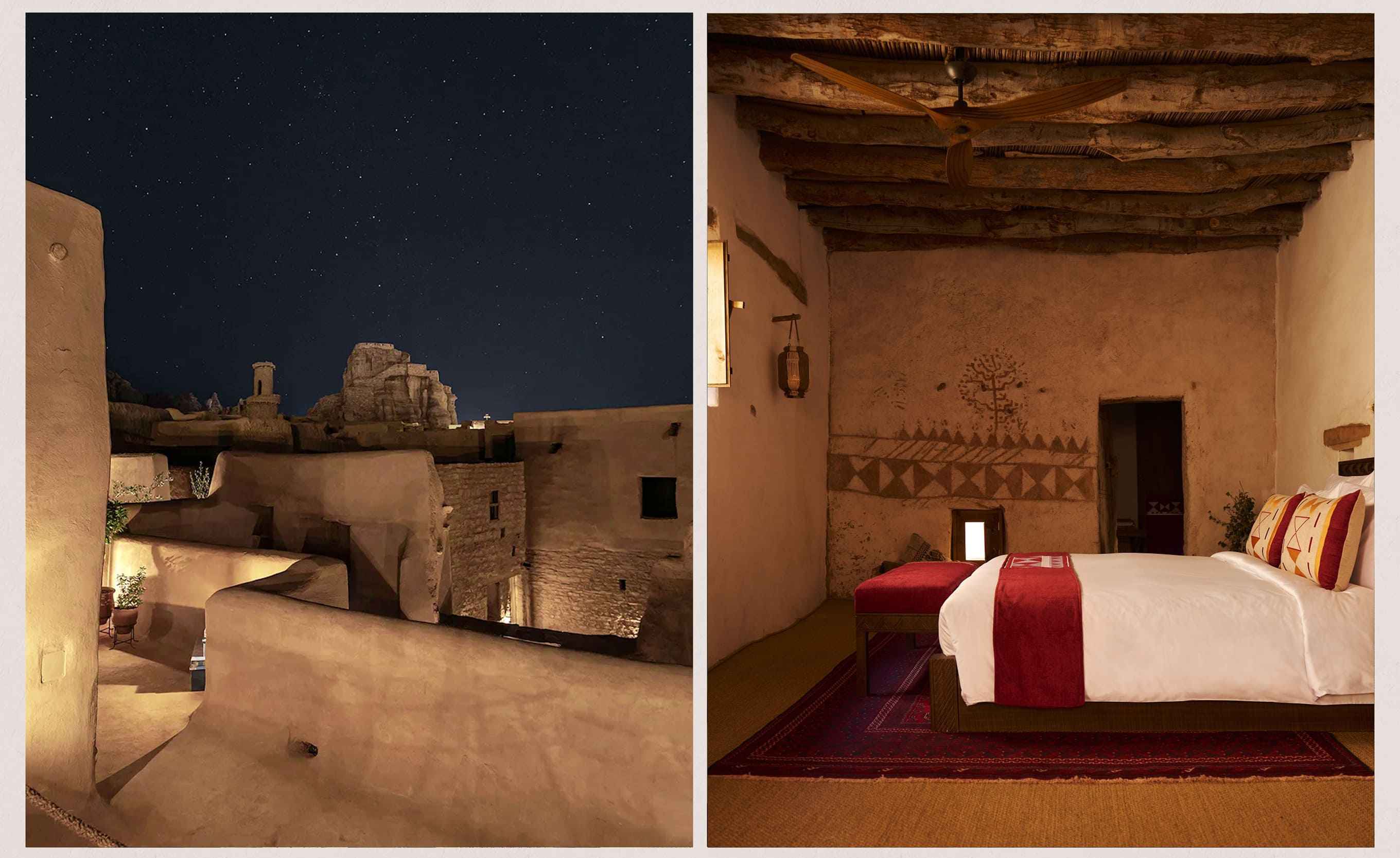
Here is Dar Tantora The House Hotel, which immerses you in the atmosphere of ancient Arabia. It is located in the heart of the Old City of Al-Ula, a world heritage site in Northwest Arabia, which for 7000 years was the crossroads of the historic trade route of the “Road of Spices”. The complex was built using the same materials and architectural techniques as the houses that were here thousands of years ago. It is illuminated by candles and uses skillfully restored original irrigation and ventilation systems that minimize energy consumption and environmental impact. You will also see restored centuries-old frescoes, taste authentic bread from a clay oven, and attend numerous festivals and reenactments of historical events.
BACK TO NATURE
An urbanized person increasingly feels the need to be among nature. This has a positive effect on the psychological and physical state, mental activity, and health of the body and soul, which has been empirically confirmed by many studies. According to the statistics of requests from travelers, eco-warehouses become one of the key parameters when choosing a place to stop.
Innovative hotel concepts demonstrate several ways of integrating nature into design (or design into nature): from blurring the lines between indoor and outdoor spaces and maximizing natural light to using raw natural materials, natural ventilation, organic building materials, and minimal landscaping to make hotels a part of nature
When planning your hotel in a natural concept, think about the following aspects:
– Natural materials should be used in all aspects of the design. Avoid textures that may look artificial and unnatural.
– Energy efficiency and reducing the impact on the environment. Solar panels, windmills, large panoramic windows for natural light, closed water circulation systems, etc. will help here.
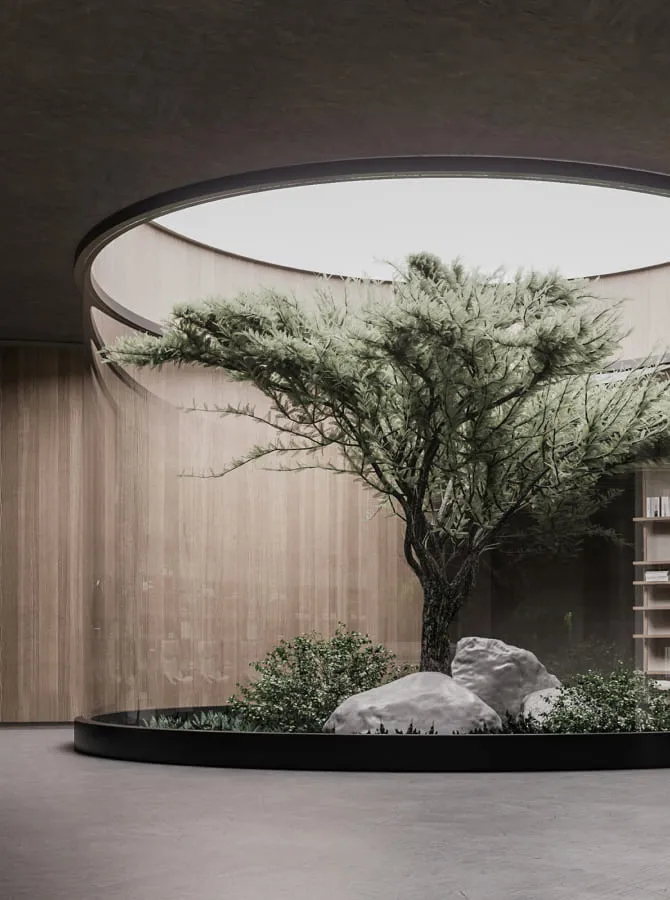
– Integrate wildlife into your hotel’s ecosystem. Try to create a seamless transition from architecture to nature. Trees and shrubs can be part of the hotel’s interior space, let it be interspersed with sprawling green areas and greenhouses that have open access to the surrounding wild landscape.
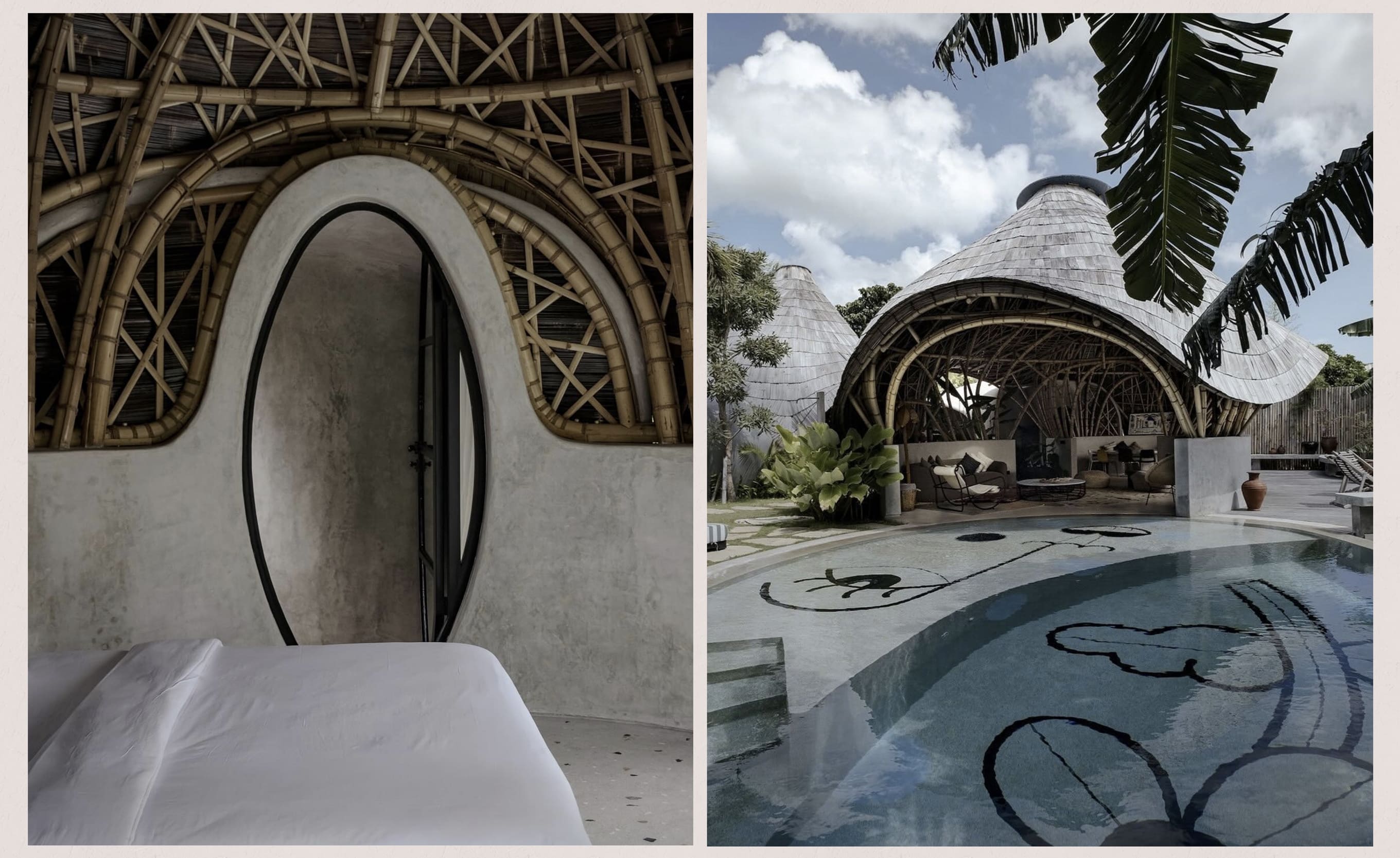
So all of this opens up new opportunities for creativity and for the uniqueness of trendy boutique hotels. A great example is Bandido Bali – La Lourdes & La Matilde Villas in Bali. The hotel is entirely and completely eco-friendly and natural, from the bamboo architecture of the villas to the arrangement of life with minimal use of electricity and eco-activities to explore the surrounding nature, interact with animals, etc.
TECHNOLOGY
We live, work, and travel in a world of technology, so this naturally translates into hotel design. Modern boutique hotels integrate AI and various digital applications to facilitate communication with customers. Technology also allows guests to personalize their rooms according to their preferences for lighting, climate control, heating, and more.
Even if your hotel is created as a space where guests can simply relax and sleep, intelligent technological systems will make this wish easily realized, thanks to the regulation of many parameters. It will also reduce the cost of electricity and human resources. At the same time, they play an important role in creating a design effect and atmosphere.
The design of tech hotels implies innovation, adaptability, and interactivity. Arrange transforming furniture, retractable kitchen, bedroom, and beauty niches, and the ability to automatically reconfigure the room space. Digital systems allow guests to create their own atmosphere: light up the stars on the ceiling, create a soft haze of light, the desired backlight, or even a different view outside the window. Companies that develop modern digital décor will be happy to suggest solutions to suit your budget.
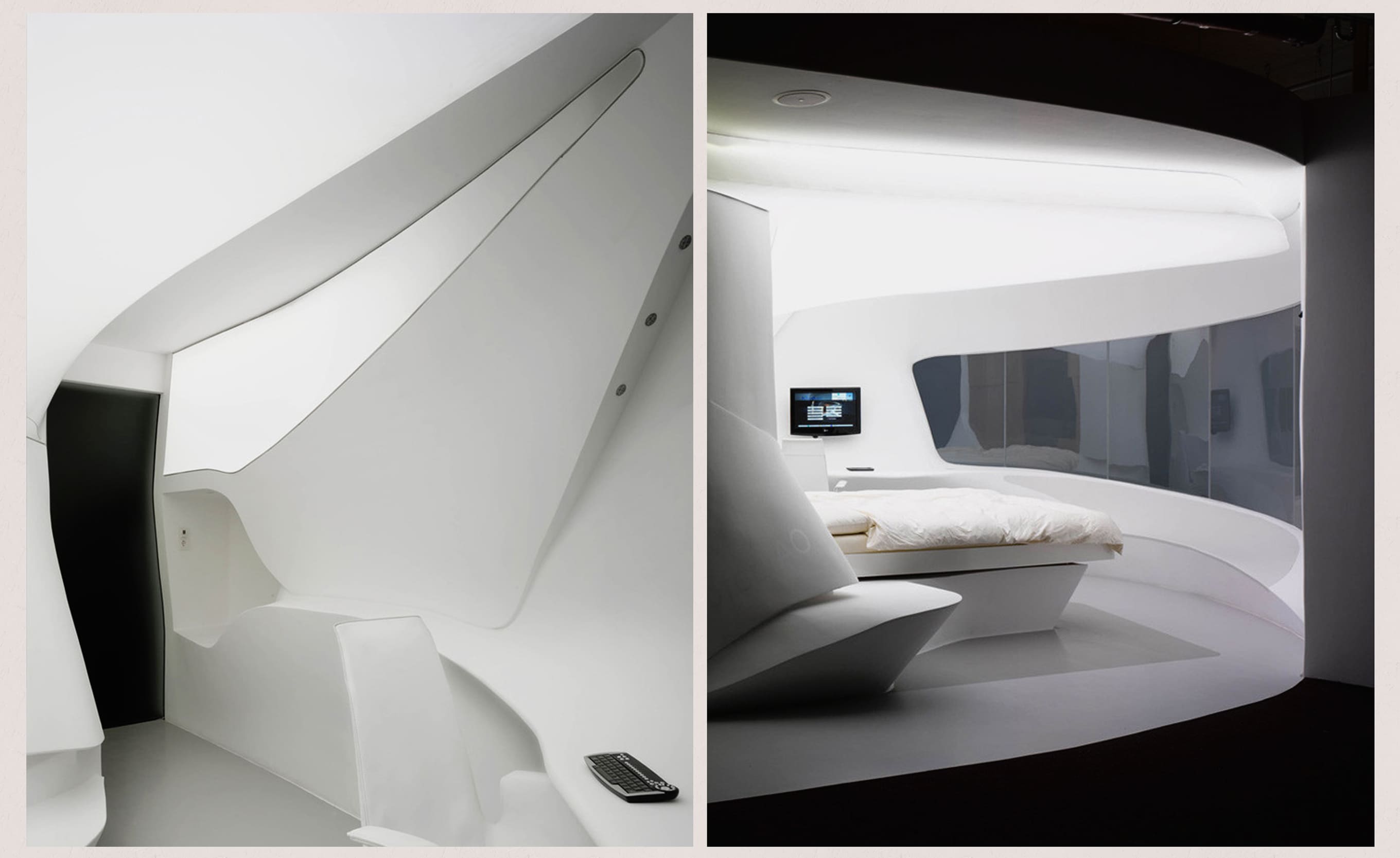
Here is the Future Hotel Showcase Room in Germany, which resembles a spaceship with some unique design solutions. The interactive functionality of the room includes lighting, an active comfort bed, a personal spa area, an intelligent mirror and a large fully integrated media display window.Every design element here serves energy efficiency, and all processes are digitalized and automated.

RECREATION
Modern travelers want to return from trips not only emotionally charged but also physically healthy. So visit your hotel a relaxing and restorative one. These can be recreation areas in the middle of nature, as well as high-quality water and spa procedures, as well as various health practices, such as massage or qigong. Of course, the design of spaces should convey this.
Arrange the territory of the complex according to the principles of minimalism, but dilute it with accent art objects. Such spaces help to “clear” the mind and focus on the “higher” abstract spheres of existence. Pay attention to maximum relaxation in the rooms: arrange an ultra-comfortable orthopedic bed, massage chairs, jacuzzi, etc. Think about a multifunctional spa area with different modes and activities. Integrate places of relaxation and self-discovery, meditation and yoga areas, where only the whispering of a mini-waterfall will be heard, into the landscape of the complex.
Or go the route of the Endémico Resguardo Silvestre complex, located in the Valle de Guadalupe, Mexico’s “wine country,” and consisting of twenty individual houses of twenty square meters each. These buildings are even located above ground so as not to interfere with the soil processes. And the design of the rooms is completely eco-friendly and frees you from the horrors of urbanism: stress, noise, and pollution. Every element here is designed for unhurried meditative immersion in nature and your own inner world. A place where you can relax your body and soul.

SPECIAL VIEW
After all, all the mentioned trends do not guarantee the uniqueness of your hotel, because uniqueness is an idea, fresh and unique. For her sake, they will come to you and make reservations six months in advance. Perhaps these will be unique tree houses, or perhaps gentrified factory shops. Rooms for techno music lovers with the appropriate atmosphere or a pet-friendly hotel with all the amenities for four-legged friends. It all depends on your taste and interests.
For example, 8SUN RESORT on the Bali coast is a space for happy newlyweds and unforgettable wedding ceremonies, for everyone who dreams of connecting hearts in the most beautiful place in the world. The architects of the MAKHNO studio designed the hotel in such a way that from every place, from every room, and the rest area, an incredible view of the ocean opens to meet the most beautiful sunrises and sunsets.
On the roof of the complex, there is a terrace for wedding ceremonies with ceramic furniture and amazing architectural charms. Each floor is decorated with works of art, and the rooms are eco-luxury from MAKHNO. Add to this a natural spa complex in the rock itself, numerous pools and relaxation areas, and secluded villas for special events — and you get a real Instagram paradise. And although the hotel is still under construction, there is already a queue of people willing to book a room here for their honeymoon.

MAIN QUESTIONS
What is a hotel concept?
The hotel concept is the main idea that makes your project special and distinguishes it from others. This idea should be implemented at all levels and in all processes of the hotel: from website design to physical signage, from room décor to the activities you offer. For example, if your hotel’s concept is “Far West,” arrange the space with a western flavor, serve natural rustic food, create an on-site ranch, and offer horseback riding. If you choose a technological concept, digitize all processes as much as possible, arrange minimalist rooms filled with digital solutions, introduce molecular cuisine, etc.
What innovative hotel concepts are the most trendy today?
Any idea can be successful, but if we are talking about trends, we currently identify the following concepts: integration with the art world, immersion in local culture, technology and digitalization, deepening the connection with nature, recreational and wellness initiatives. As well as focusing on a specific target audience, for example, a hotel for weddings, for football fans, or for Dracula fans (the list is endless).
How to create a hotel concept?
If you are planning to create your own hotel, the first thing you need to do is understand what values and ideas you want to put into it. Look for them in things that inspire you and form a concept around them. Perhaps you love science fiction or are fond of historical reconstructions, collect something, are interested in a specific cuisine – you can form a whole world around your hobbies, which will not only attract guests but also inspire you to further develop the project. But you should keep in touch with reality and take into account the following factors: location and target audience. Sometimes it is optimal to build a concept based on the capabilities of the location itself – a place by the sea, in the center of a business district, or in the middle of a historic square will dictate its aesthetics. You should use this and turn it into a coherent concept. You can also focus on a specific category of visitors: digital nomads, party people, businessmen, families with children – all these categories require a different approach, so consider which one you should work with most actively.
How to integrate innovative technologies into the hotel concept?
Smart rooms with lighting, climate, entertainment, and security control systems; mobile apps for booking and ordering services; the introduction of contactless payment systems; robots for luggage delivery and room service; and AI for personalized service – all of these can become part of your hotel’s ecosystem. In order to implement it properly, you need to analyze all project processes and choose those that will be most effective in driving innovation.
What role does design play in the overall concept?
Design is the first thing that catches the eye of a visitor. It shapes the first impression, conveys attractiveness and uniqueness, and distinguishes you from your competitors. The design should be not only spectacular, but also functional and comfortable, taking into account ergonomics, convenient arrangement of elements, lighting, and acoustic comfort. When developing the concept of your hotel, choose professional designers with a quality portfolio and market recognition. Remember, the modern consumer makes a visual choice, so appearance is perhaps the most important thing that your potential guest will pay attention to.