ON THE SAME WAVELENGTH: ARCHITECTS WHO INSPIRE SERHIY MAKHNO
Serhii Makhno blog
24.04.24
For 20 years now, MAKHNO studio and its leader have been embodying the principles of innovative, artistic, inventive, eco-oriented architecture. In previous decades, the inspiration for such ideas was mainly Japanese architects. So today we will look at a few names from the older cohort of artists who inspire Serhii Makhno and his team.
SHIGERU BAN – CREATOR OF PAPER PALACES

Shigeru Ban is a unique Pritzker Prize-winning architect who has become known for his eco-friendly approach and social projects of quick and low-cost housing for victims of natural disasters. He used paper and cardboard to create them.
He developed his first such project in 1995 in the Japanese city of Kobe, where he used cardboard pipes, linoleum, fabric, and packaging cellophane to create simple but durable structures. The structures, held together with staples and tape, proved to be surprisingly strong and had a cutting-edge design.

Later, Ban created shelters for earthquake victims around the world. He even designed a cardboard Catholic church in Kobe, which stood there for ten years and was transported to Taiwan, where it became a place of prayer for earthquake victims.

After the earthquake in New Zealand, he built a 24-meter-high Cardboard Cathedral, and after the earthquake in L’Aquila, Italy, he built a paper concert hall with 230 seats. Ban’s projects were also used in natural disaster areas in Turkey, India and Haiti.

In 2007, a paper pedestrian bridge over the Gardon River in southern France was built according to his vision. Other famous projects of Ban’s include the Japanese pavilion at the Expo 2000 world exhibition in Hanover, the Nomadic Museum, a branch of the Pompidou Center in Metz, and the Naked House in Kawagoe, Japan.


Commenting on his path, the master notes: “When I started my career in architecture, no one talked about the environment. But for me, this choice was natural. I’ve always been interested in cheap and environmentally friendly materials.”
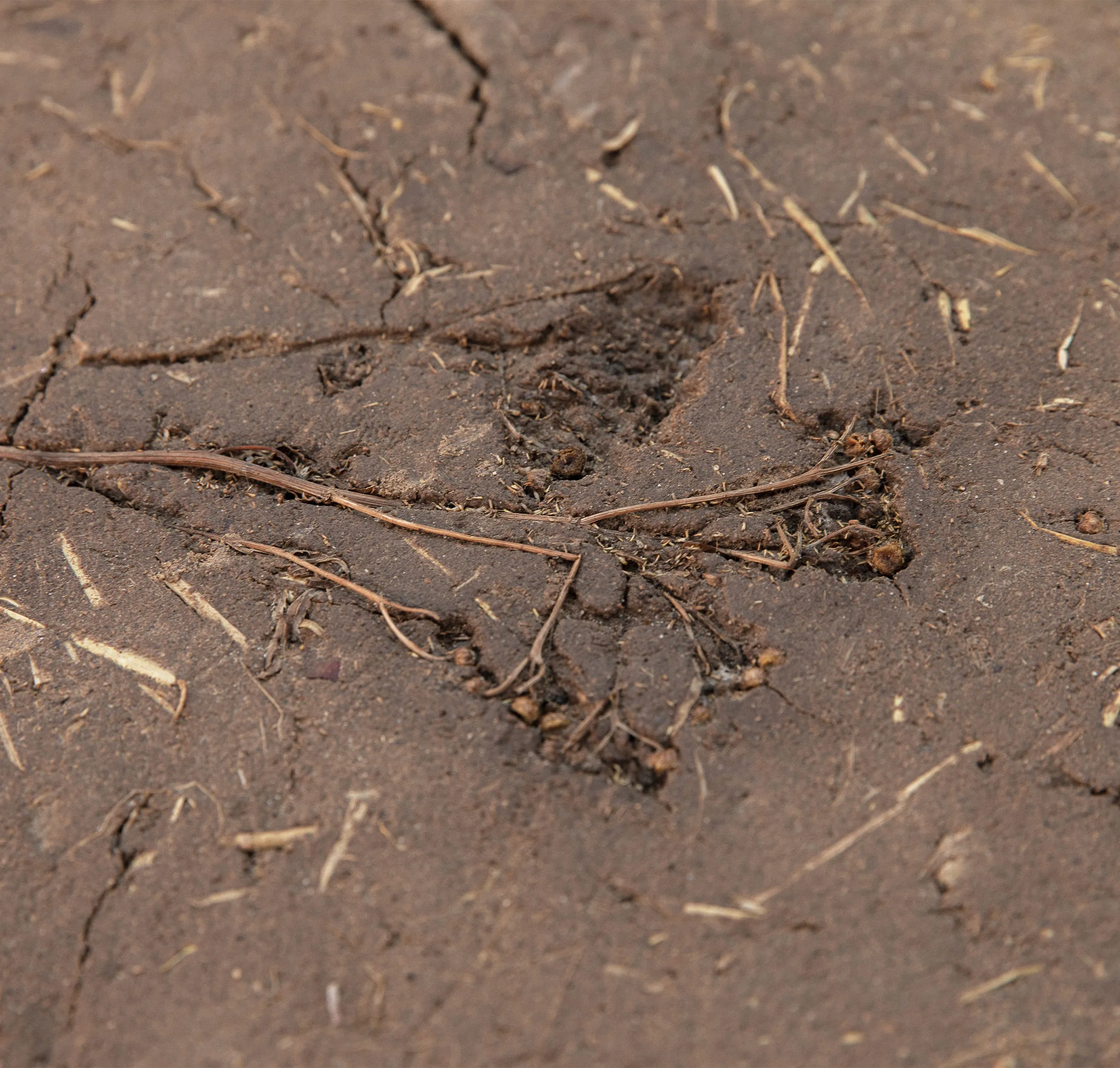
The creativity of Ban’s projects and their deep ecosymbiosis with the environment inspired Serhii Makhno and the architects of his studio to come up with a number of their own innovative solutions based on authentic Ukrainian traditions. The same applies to the search for “their” materials, unique and affordable at the same time. Such as different types of clay combined with straw, reeds, sawdust, seeds, herbs, etc.
SANAA – MASTERS OF AMAZING FORMS

SANAA is an architectural firm founded by the Japanese Kazuyo Sejima and Ryue Nishizawa in 1995. In 2010 they received the Pritzker Prize. Most of their work is characterized by experimental forms, extensive use of glass and sunlight, and a desire to natively connect the building with its natural surroundings.
Their project for the New Museum of Contemporary Art in New York embodies SAANA’s philosophy: minimalism, openness, and weirdness. The light travels freely through the clean white spaces, and visitors seem to become part of the exhibitions.

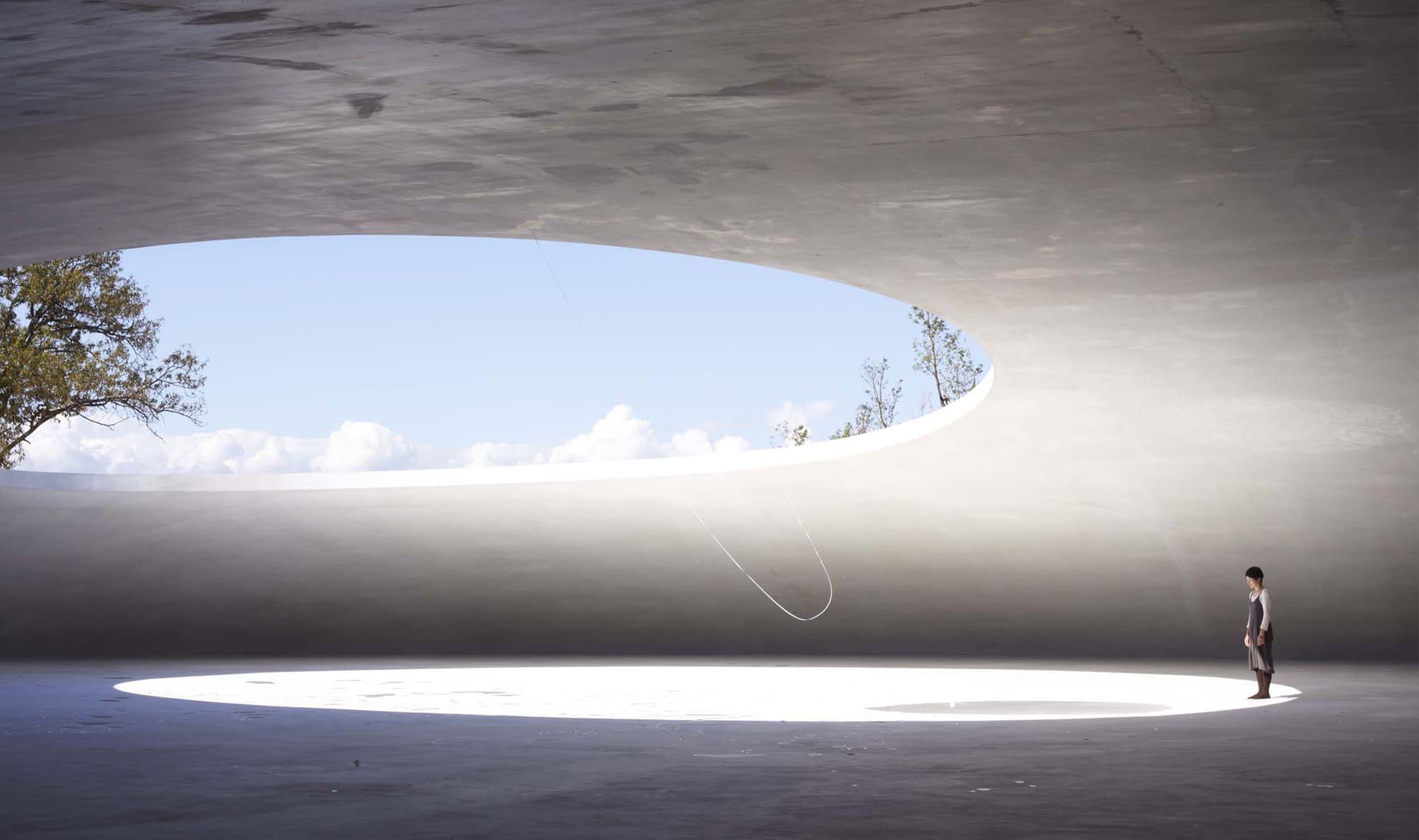
No less significant is the project of the Tessim Museum, which impresses with its subtle presence in the landscape. It is a dialog with nature, where every curve of the wall and bend of the roof conveys a sense of naturalistic harmony.
 The Louvre in Lens is an architectural masterpiece with a translucent roof to fill the space with natural light. Another favorite technique of the studio was used in the cladding – aluminum sheets reflect the environment, merging with nature.

The Rolex Learning Center in Switzerland embodies SAANA’s bold vision of smooth lines and open spaces. It resembles a giant canvas on which the lives of students and teachers are played out.

SAANA pushes the boundaries of the familiar, demonstrating that architecture can be not only functional but also incredibly emotional. Poetic spaces convey harmony with nature and the needs of each individual.
That is why they attract architects from MAKHNO studio – as an example of extravagant art that is friendly and native to the world around us. After all, we do this in our own projects.
TADAO ANDO – THE POET OF CONCRETE

Tadao Ando is Serhii Makhno’s favorite architect. The Ukrainian master even named one of his sons in his honor.
Ando is an artist of pure forms, bare concrete combined with glass, stone and wood. And also with incredible creative solutions where the elements become part of the architecture: the sun, wind, water, etc.
Surprisingly, the future Pritzker Prize winner never studied architecture. He mastered the specialty on his own, while working as a handyman, artisanal apprentice, and even a professional boxer. Tadao was taught by the street.
Ando’s works are characterized by a limited choice of materials and asceticism, lack of decor. The architect does not divide space into functions, so solid walls create flexible spaces. Although Ando is a master of cast concrete, he uses natural materials in places of human contact.
 The young Ando’s calling card was the surprisingly ascetic modernist Rowe House in Osaka, followed by a number of related projects. Later he would create a number of masterpieces of religious architecture, among which the most notable are the Church of Light, where wall openings, together with the morning sun, form a light cross inside the space, and the Temple of Water, located under an extraordinary Japanese pond.


The undisputed masterpieces of the master’s great architecture include the semi-underground Chichu Art Museum in Naoshima and the Italian center of the Benetton Factory. Here, Ando fully revealed his main theme – spaces that seem to multiply light and air.
 His characteristic style can also be seen in the super-minimalist project House 4×4, where Ando managed to perfectly arrange the arrangement on sixteen square meters. As well as in the colossal project of the Modern Art Museum on the surface of a lake in the United States. Where the creativity and structural nature of architecture, along with light and reflex effects, create a fantastic visual play.

Tadao Ando knows how to impress. His spaces are filled with the light of life and at the same time meditative tranquility. He is an architect who has an indescribable effect on the human condition. You can consider it magic, or you can call it super skill.
As a result, this is exactly the kind of meaningful feeling we achieve in our own projects, creating architecture under the MAKHNO brand that directly affects and inspires.