We recommend: Everything about color in the interior
Serhii Makhno blog
20.04.08
COLORS WILL ALWAYS INFLUENCE OUR LIVES.
Interior designers have a mission of huge importance — they choose a colour that will envelop your life in a certain space and influence your mood, emotions, and feelings.
There’s just something more than ‘this colour is nice, let’s take it’. Together with the studio owner Serhii Makhno and the architect Alexander Kovpak, we gathered pieces of advice for choosing colours in interior design.
Twist the colour wheel
According to the rules of composition, you can choose only three colours or materials in a definite space for interior design. Choose them smartly with the help of the colour wheel. There are 5 basic colour harmonies:

- Complementary colour chord (colours that are opposite to each other on the wheel).
- Analogous colour chord (colours that are next to each other).
- Triadic colour chord (three colours that are evenly spaced around the colour wheel).
- Split-complementary colour chord (the base colour plus two colours adjacent to its complement).
- Tetradic colour chord (four colours arranged into two complementary pairs).
The colour wheel is a lifesaver for those who always doubt how to mix colours in interior design. It will help you to understand whether the hues you choose will look harmonious together.
Red is not red
Mind one simple rule – colours are subjective. People conceive the same colour differently. Make sure it is the same colour for both the designer and the client.

Behind the colours
Sometimes you don’t need to learn what stands behind the colour. But every time you choose one, you choose the atmosphere of the space too. Make sure to make the right choice.
- Red — passionate, intense, important.
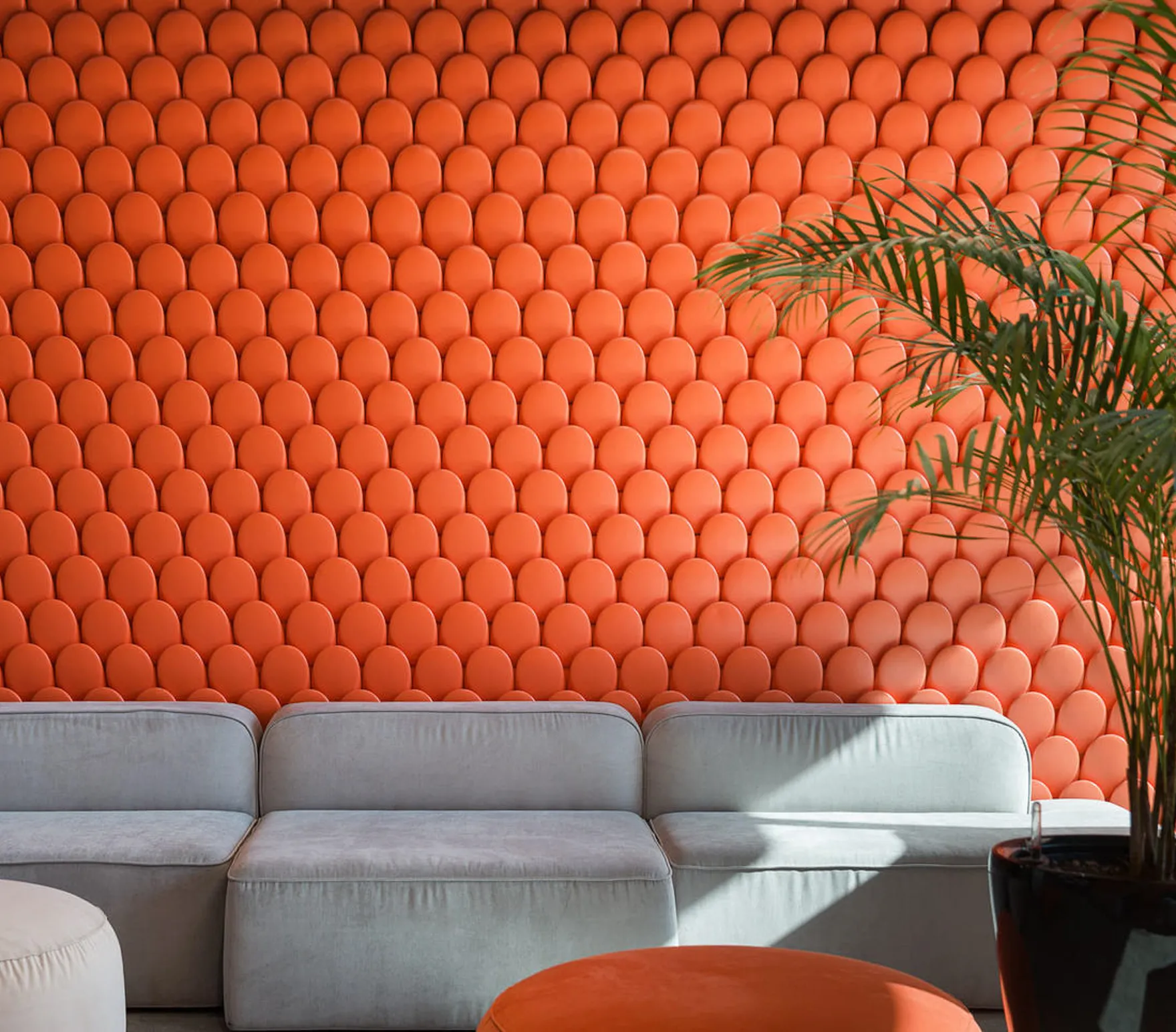
- Orange — energetic, excited, happy.
- Yellow — optimistic, cheery, warm.
- Green — neutral, stable, prosperous.
- Blue — serene, trustworthy, inviting.
- Purple — luxurious, mysterious, romantic.
- Pink — innocent, gentle, calm.
- Brown — reliable, comforting, stable.
- Black — powerful, strong, intelligent.
- White — neutral, spacious, pure.
- Grey — neutral, timeless, practical.


Trending issues (no)
One of the biggest colour dictators is Pantone. As they say, Pantone provides a universal language of colour that enables colour-critical decisions through every stage of the workflow for brands and manufacturers. Since 2000, the Pantone Color Institute has declared a particular colour “Colour of the Year”. The colour of 2020, for instance, is Classic Blue — the colour of reliability, calm and confidence.
Keep in mind, a trend is something that is going to die soon. Take care of the future of your product. Choose what you know will be relevant for ages, for lives.

Some colours will always look good: black, white, and brown. If you just desperately need a trendy colour of the year in your interior, take an ultraviolet clock, for example, and next year take another clock or just repaint it. But don’t make an interior design trapped in one colour, which popularity will expire next year.
Pantone is changing, and the house remains. In the race for the trends, you will always be the one who is running behind. Don’t. Be the setter. Do what you like and make people run in the race behind you.

Choose a material, not paint
If you decided to make the wall green, don’t be in a hurry for the paint. You better put green flowers or make a live green wall. Or why paint the wall red when you can oxygenate the steel and get the red the paint will never give?

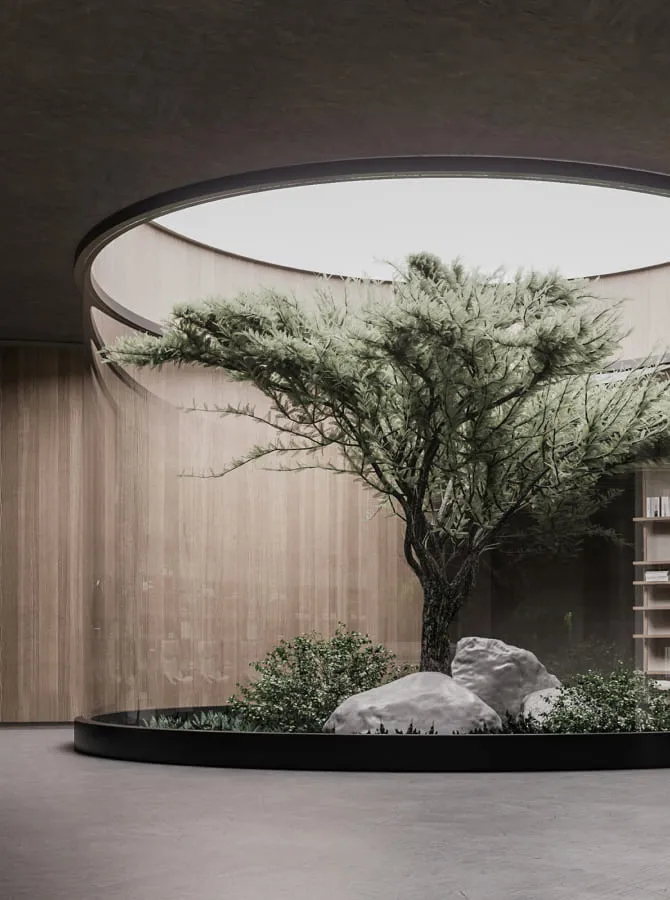
An optimal choice is the natural colours in the interior design — colours of the materials, not the paints. We can get yellow with clay, brown with wood, grey with concrete or stone, golden with copper, red with oxygenated steel, etc. Moreover, such surfaces give textures, making the interior tactile great.
Make the right accent
ive colour to the interior with the help of art pieces and plants. Make the invisible accents.
Interior designers make their visuals come to life, but they often forget about the main component of any space — people. They will come to this perfect visual place and bring here their lives: books, ornaments, magnets on the fridge, child pictures, cats etc. And that perfect visual will fall apart. Interior design needs to be flexible enough to accept you and everything you love. If it is not – time to change your interior designer.
The best interior is the one you don’t notice but are madly in love with.