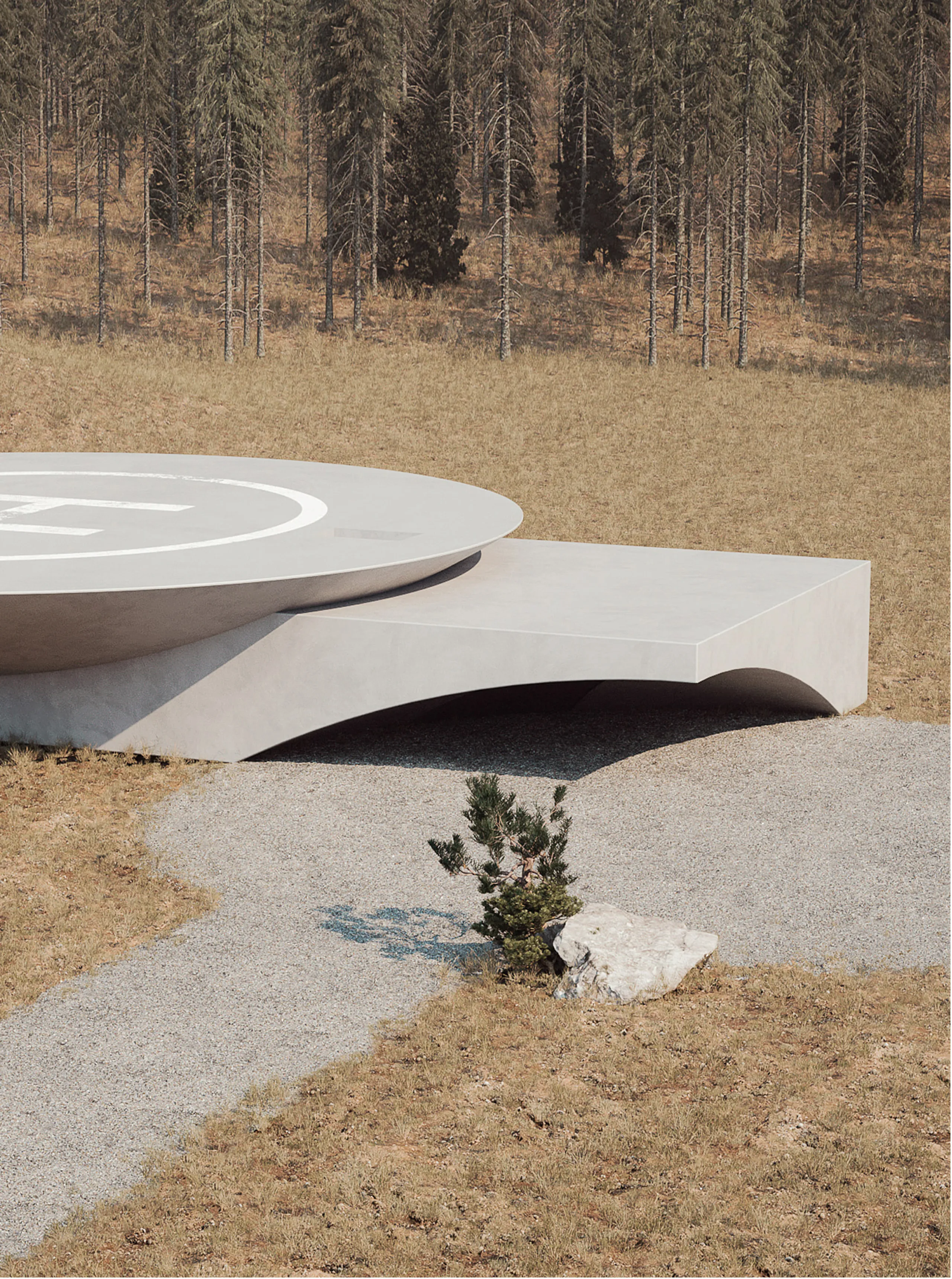
Underground Architecture: Why Autonomous Spaces Are Becoming the New Infrastructure of Living
Articles
26.05.29
We live in a time when safety is no longer an abstract concept — it has become part of everyday reality. Against the backdrop of global instability, the very idea of housing and architecture is changing. In this context, underground construction is no longer a futuristic scenario but a practical response to new challenges.
Underground spaces provide a stable microclimate, significantly reduce energy consumption, ensure acoustic insulation, and make it possible to duplicate critical engineering systems. In practical terms, this means maintaining a normal rhythm of life even during periods of external instability.
In 2019, MAKHNO Studio introduced Underground House Plan B — a concept for an autonomous underground home developed as an architectural exploration of living under conditions of isolation, risk, and uncertainty. At the time, the project was perceived as a radical vision of the future. After the COVID-19 pandemic and the start of the full-scale war in Ukraine, the topic shifted from speculative thinking to a real demand for secure and autonomous living environments.



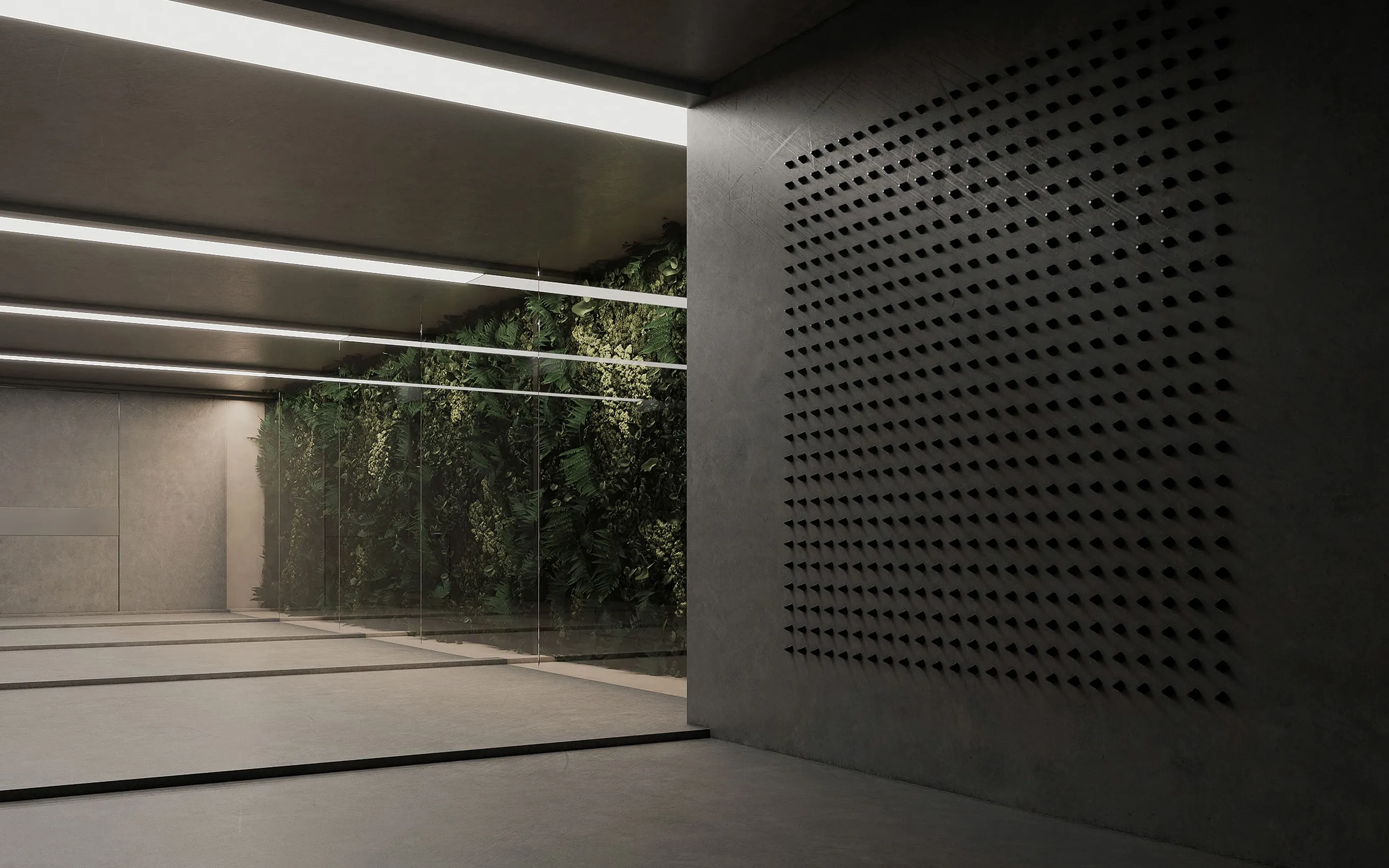
The concept was built around full autonomy and system redundancy. The project proposed a сверх-strong reinforced concrete structure, independent water supply and sewage systems, ventilation with heat recovery, air intake and purification systems, backup energy sources, and carefully planned evacuation routes.
What distinguishes this type of space from a traditional shelter is its purpose: it is designed for everyday life, not temporary survival. Today, almost every private residential project in Ukraine includes a protected underground area in its technical brief.
Contemporary resilience in architecture combines physical protection, autonomous engineering, and carefully designed living scenarios for conditions of long-term instability. Plan B integrates a medical unit, water purification systems, backup power infrastructure, and all the systems necessary for extended autonomous functioning.
At the same time, new typologies of underground architecture are emerging in Ukraine beyond private residences. Underground schools in cities such as Kharkiv and Zaporizhzhia are already enabling educational continuity amid ongoing threats.
Global interest in underground urbanism is driven by more than security concerns. For major cities facing climate overheating and resource shortages, underground environments offer an alternative with lower energy consumption and minimal impact on the surrounding landscape.
At the same time, one of the key challenges remains psychological perception. People need contact with nature, changing light, and a sense of openness. That is why contemporary underground architecture increasingly incorporates layered lighting scenarios, digital windows, green zones, and softer spatial geometries to support psychological well-being.

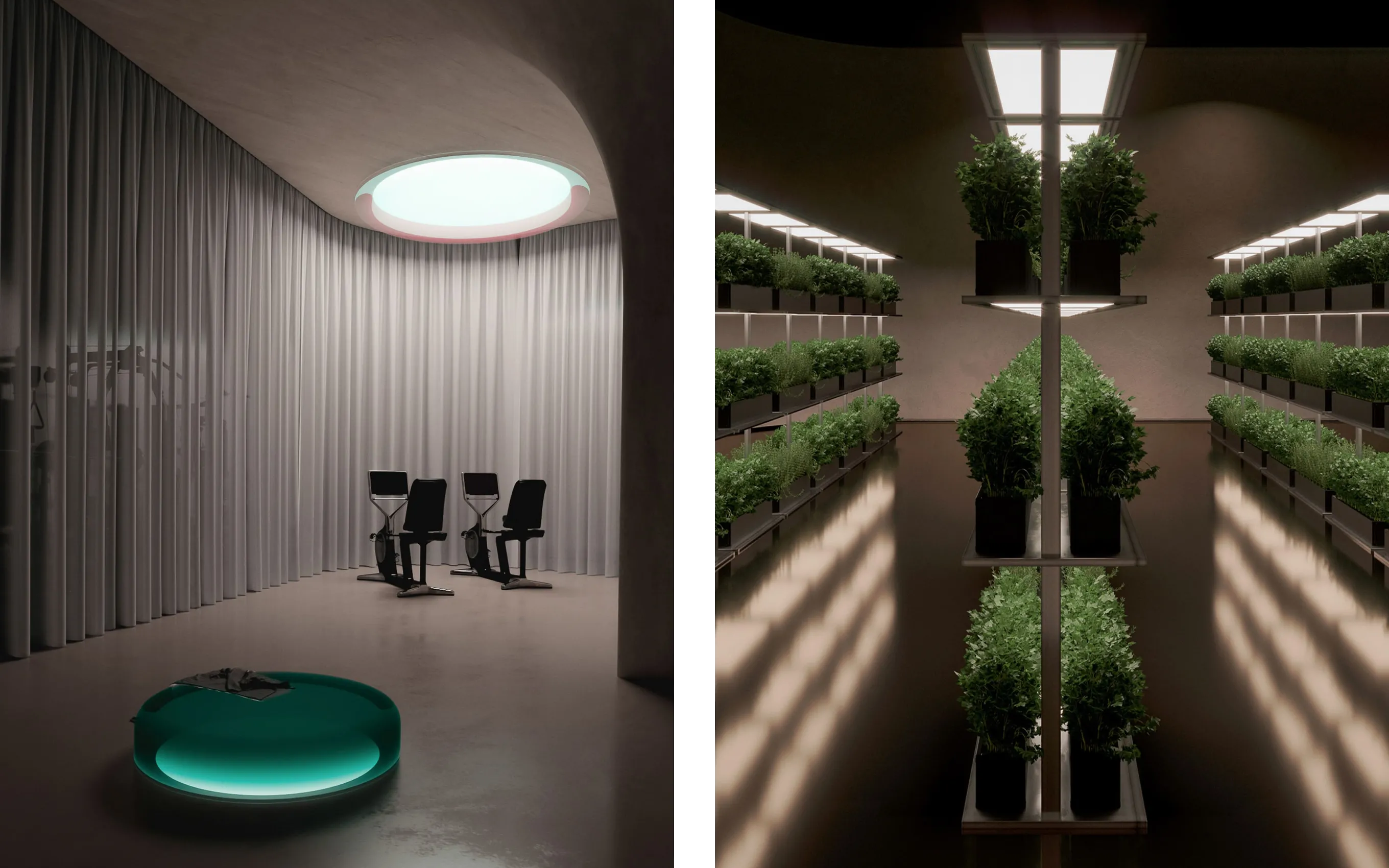
“Underground architecture cannot be decorative. It must be infrastructural, autonomous, and emotionally competent — capable of supporting human rhythms as reliably as engineering systems do.”
— Serhii Makhno