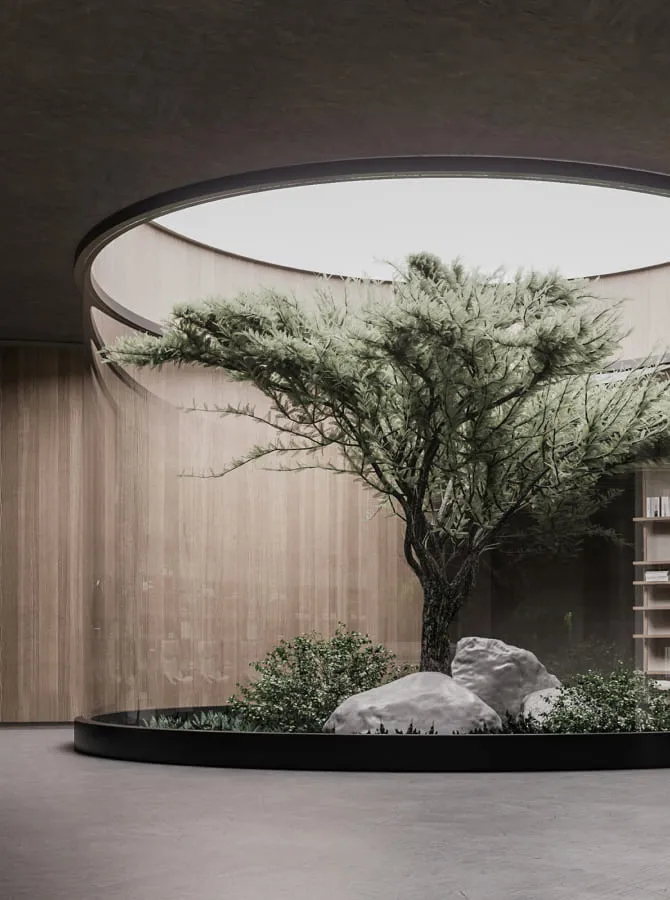
Quick guide on how to bring a piece of Japan to Ukraine
Serhii Makhno blog
16.10.20
Japan is not only about cherry blossoms, Mount Fuji and people wearing kimonos. Everyone who has been to this country must have heard about unparalleled local fairs where every second piece is one-of-a-kind!
One of my favourite things to do when I come to Japan is to explore new shops and flea markets hidden in tangled streets. You can find so many amazing things in this embarrassment of riches! You look at the beauty, touch the beauty, inhale the beauty but it is never enough.
Like many other tourists, I come back to Ukraine with a fat suitcase full of plates, cups, vases, and figurines bought for myself and my family. Today, I want to tell you about 5 things, because of which my suitcase refused to close.
NETSUKE
Netsuke is not just a bricolage made of wood or ivory; every single item is an object of art in a traditional time-honoured technique. It captivates you with its beauty and elegance when you hold it in the palm of your hand.

Baby-netsuke was brought into being for practical purposes. People used them as keychains or fastened them to clothing together with other belongings using lace. Traditional kimonos had no pockets; nobody likes to lose keys.
-
THE TWO JAPANESE CHARACTERS “NE” AND “TSUKE” MEAN “ROOT” AND “TO ATTACH”
The fingers of one hand are not enough to count all types of netsuke. The Japanese gave them so many names, which do not run off Ukrainian people’s tongues. The most famous netsuke is “katabori”; it imitates people and animals. There is also “manju”, which borrowed the name from a round rice cakes mochi.
ENGRAVINGS
Where Japan is, there are engravings. It is a unique feature of traditional Japanese art. Graceful and delicate.


Japanese engravings belong to xylography, the art of engraving on wood. Artisans prefer to work with pear or cherry wood – soft and workable materials.
Ukiyo-e is the most common type of Japanese woodblock print. “Pictures of the floating world”, sounds like the translation of the word. It became usual in Edo urban culture in the second half of the XVII century. The earliest Ukiyo-e were black and white. Colour in prints came much later.


The Japanese are demanding composition, but they do not limit themselves to subjects. Some prints nearly smell like sakura blossom, while others feature dry lotus seed capsules or bare trees dusted with snow. Everyone can find an engraving in line with his inner world.
CHOPSTICKS
For Europeans chopsticks might be just “utensils to eat sushi”, but for Eastern people, they are a sort of sacrament and an integral part of social heritage.

Every Japanese has own chopsticks. They never borrow them from anyone else as they find them to be a very personal thing. Same as a toothbrush for us.
So, let’s get back to souvenirs… an hour spent in the Japanese stores, – and your suitcase is full of chopsticks made of wood, metal, clay, and even stone (for the lovers of the extraordinary). I have enlarged my collection with a pair of persimmon tree chopsticks.

AN OLD KNIFE
Collecting unusual rare things is my weakness – I can’t help it and, to be honest, don’t want to.
There was no knife for sharpening pencils on my wish list. I stumbled across it and instantly realized – it was “mine”. I recommend designers and architects chalk it up. It’s a very useful, even indispensable thing in our profession, I would say.

CERAMICS
It seems to me that I am a “Japanese soul”. I’m as passionate about ceramics as the people of the Land of the Rising Sun. Among my recent purchases, I have a bowl and a few teacups.

-
THE JAPANESE STRIVE TO ACCENTUATE INDIVIDUALITY EVEN WHEN IT COMES TO TABLEWARE MAKING. TWO IDENTIC PIECES OF DISHWARE ON A TABLE WILL BE CONSIDERED BAD STYLE.

Modern Japan safeguards traditional production practices and is not ready for mass-produced ceramics. Hand-made items bear the impression of history and convey the warmth and emotions of their creator.