Following and breaking decorating rules
Articles
17.02.05
Decorating is the harmony between composition, chromatics and ergonomics. It doesn’t stop after designers have completed their projects. On the contrary, it coexists with the space for life. It’s a sort of never-ending cycle where things come and go.


When is the best time for your furniture to retire? Well, it’s actually up to you. However, if a sofa is twice your age and spits out dust, there is no doubt you should do something about it.
DÉCOR IS LIKE A SUIT. IF YOU WANT IT TO FIT PERFECTLY WELL, TAILOR IT RIGHT. IF YOU MAKE A MISTAKE WITH THE LENGTH OF YOUR SLEEVES OR OTHER DETAILS, THEN EVEN EXPENSIVE FABRIC WON’T DO THE JOB.

If you create a space from scratch, start with a palette. Decorators have a special colour formula: apply the base colour to 60% of surfaces, including textiles and accessories; 30% should take the additional one, and 10% will go to accent elements.

Colour harmony does not necessarily mean sticking to one basic tone. Look for harmonious colour pairs and dilute the active, vibrant elements with calm ones. For example, placing two flamboyant objects next to each other isn’t such a good idea. They will turn into monsters and eat each other.
Patterned curtains and ornaments may be very hard work for your eyes. Get some rest. A beige sofa or plain walls in a quiet monochrome will do the trick.


Contrasting objects may be rather a plus than a minus in your artwork. Even if it is your favourite artist or a sculptor, don’t fill all the space with monotonous works. Sometimes a trendy interior means a collage of combined paintings, sculptures, pop art posters and even authentic Ukrainian Petrikovka.
It is important to find and combine the right elements because you can stumble even on a painting if you don’t take into account the functional purpose of the space, the height of the ceilings and the lighting system.


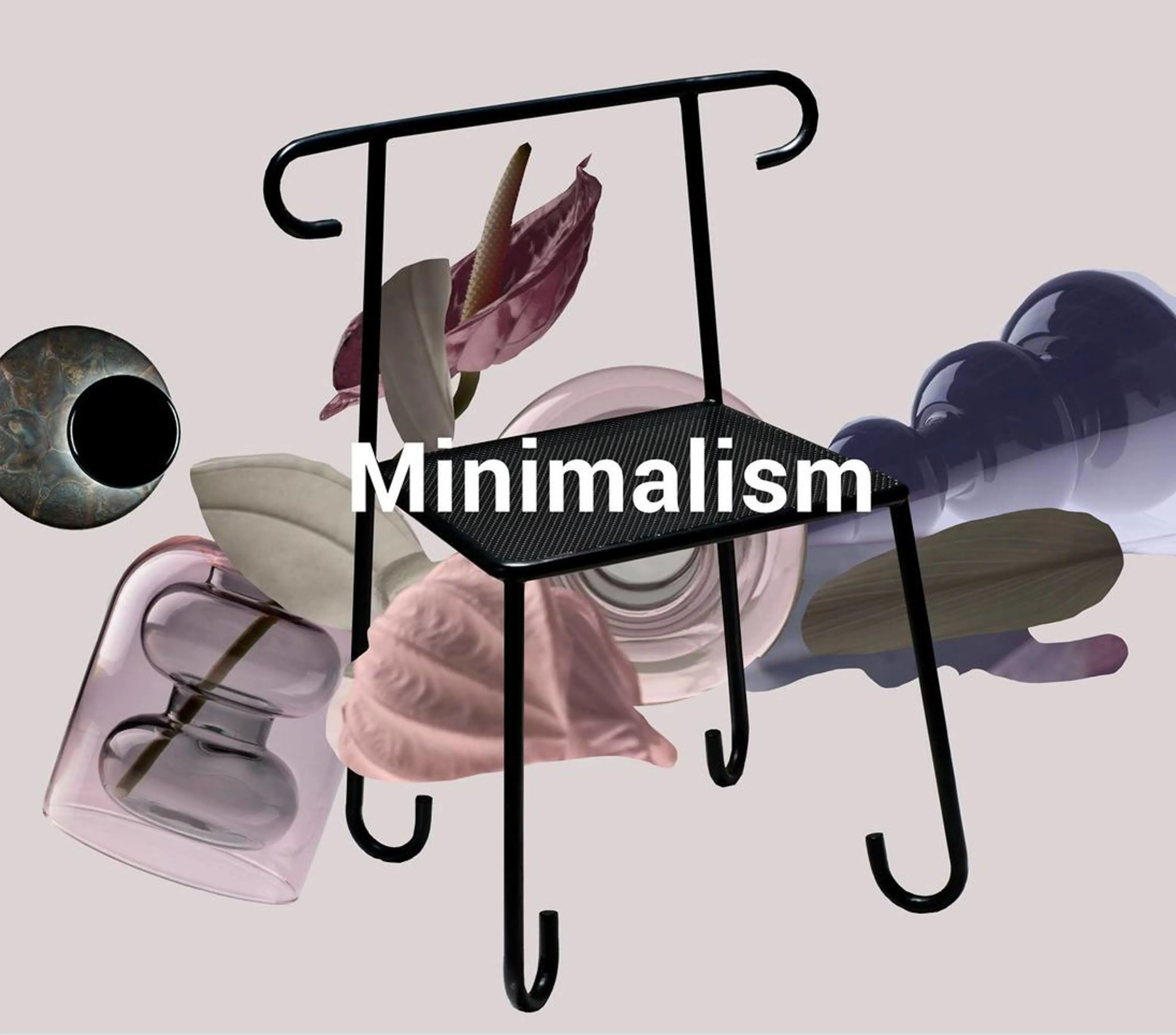
In our workshop, we often combine old and new. For example, there is raku ware sitting on a minimalist table. Such items allow us to erase time frames and synthesize cultural traditions.

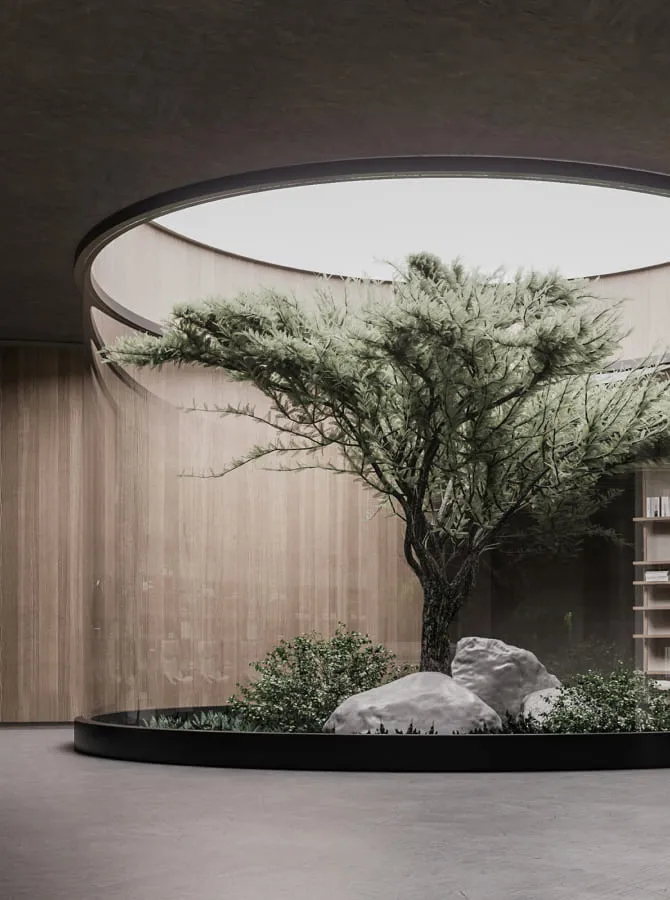
The eco-design trend is making its way into the decor. Use natural materials like clay, wood, and stone. They are neutral and are appropriate in any space as well as a black T-shirt in a wardrobe.


Textures and finishing materials revive achromatic and monochrome interiors. Glossy and matte surfaces, concrete, wood, smooth stone, and plaster relief transform the space into a visually saturated and unique one.

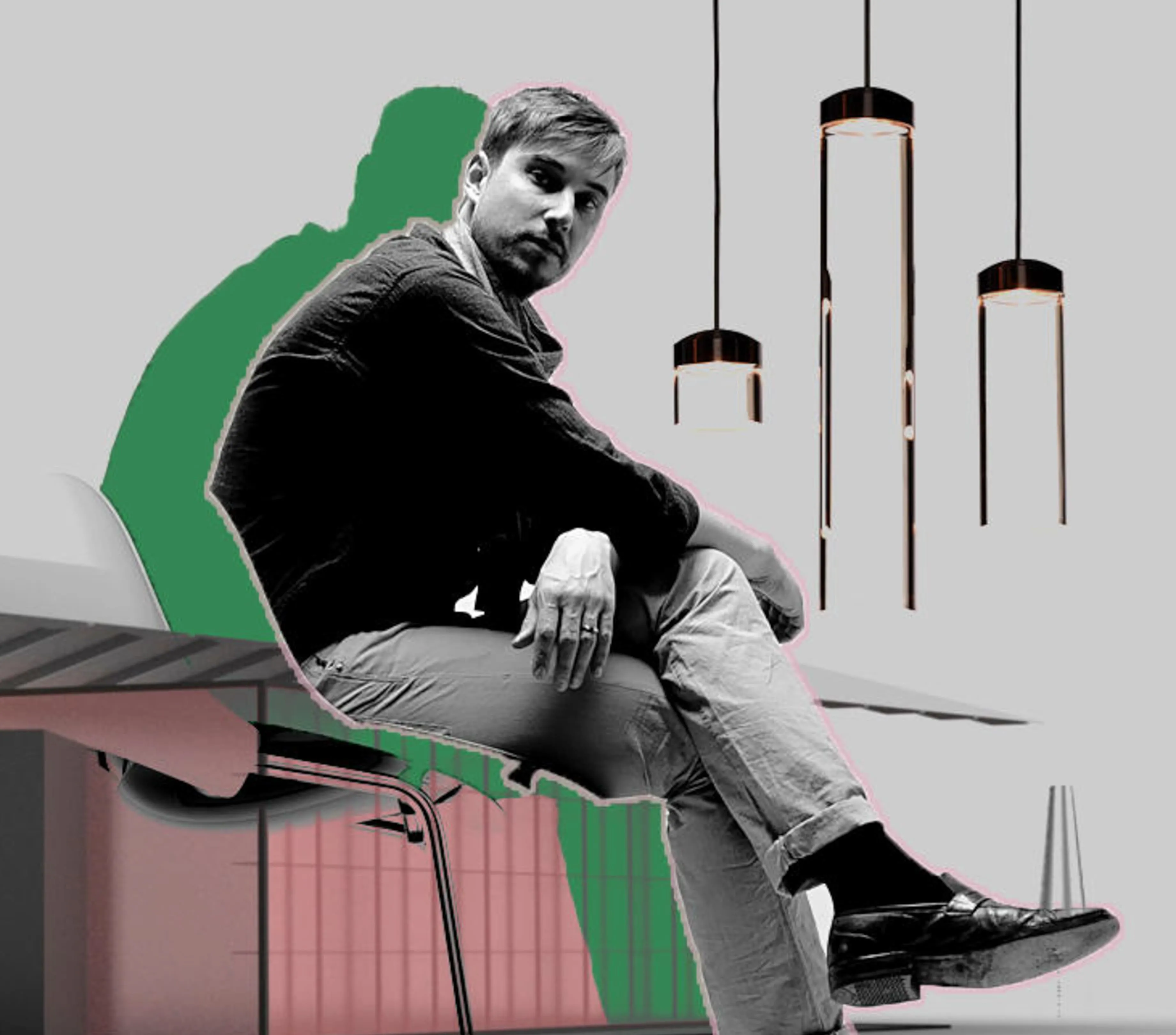
The light in our workshop is like a philosophy. We create collections of our luminaries and each time we try to bring natural light into a house. Therefore, the next rule of décor is to fall in love with the light.
When integrating and installing the lighting system, consider the challenges in the functional areas. We believe that spaces, whose sole light source is a chandelier in the centre, are like Amur leopards – they are dying out.


If an interior is too “short”, you can “feed” it with strong verticals and low fittings and see it grow taller in front of your eyes.


Decorations breathe life into a space, making the evening with your loved ones warmer, reading a book – nicer, and studying – easier. Textiles, sculptures, paintings, vases, and lighting transform the appearance of the interior, and consequently – our perceptions.

The most important thing is to say “no” to sacrifices. Life is too short to torture yourself with an uncomfortable chair, because it is beautiful. Beauty and functionality should exist in harmony.